Ayandaamacirha Kanise
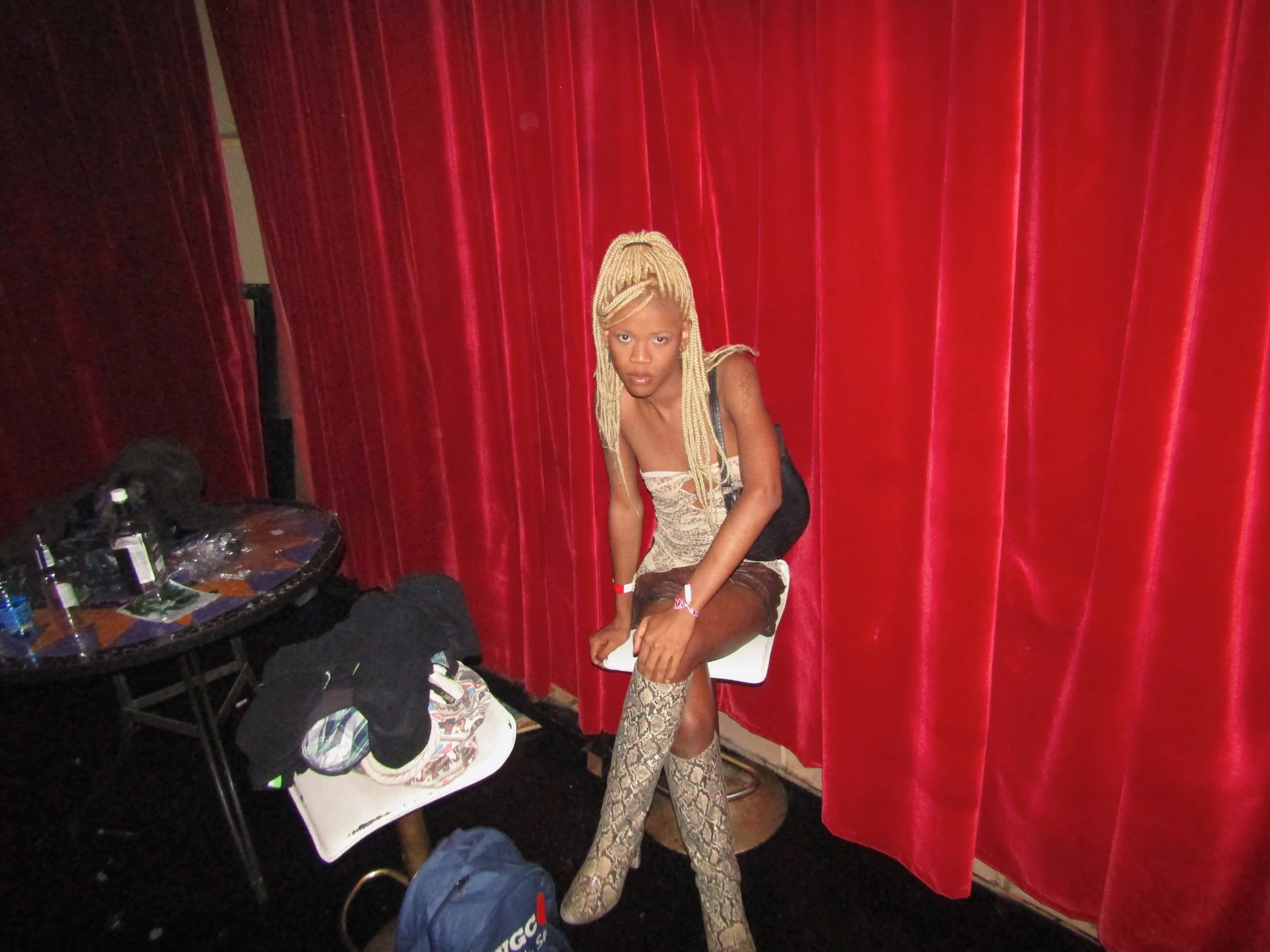
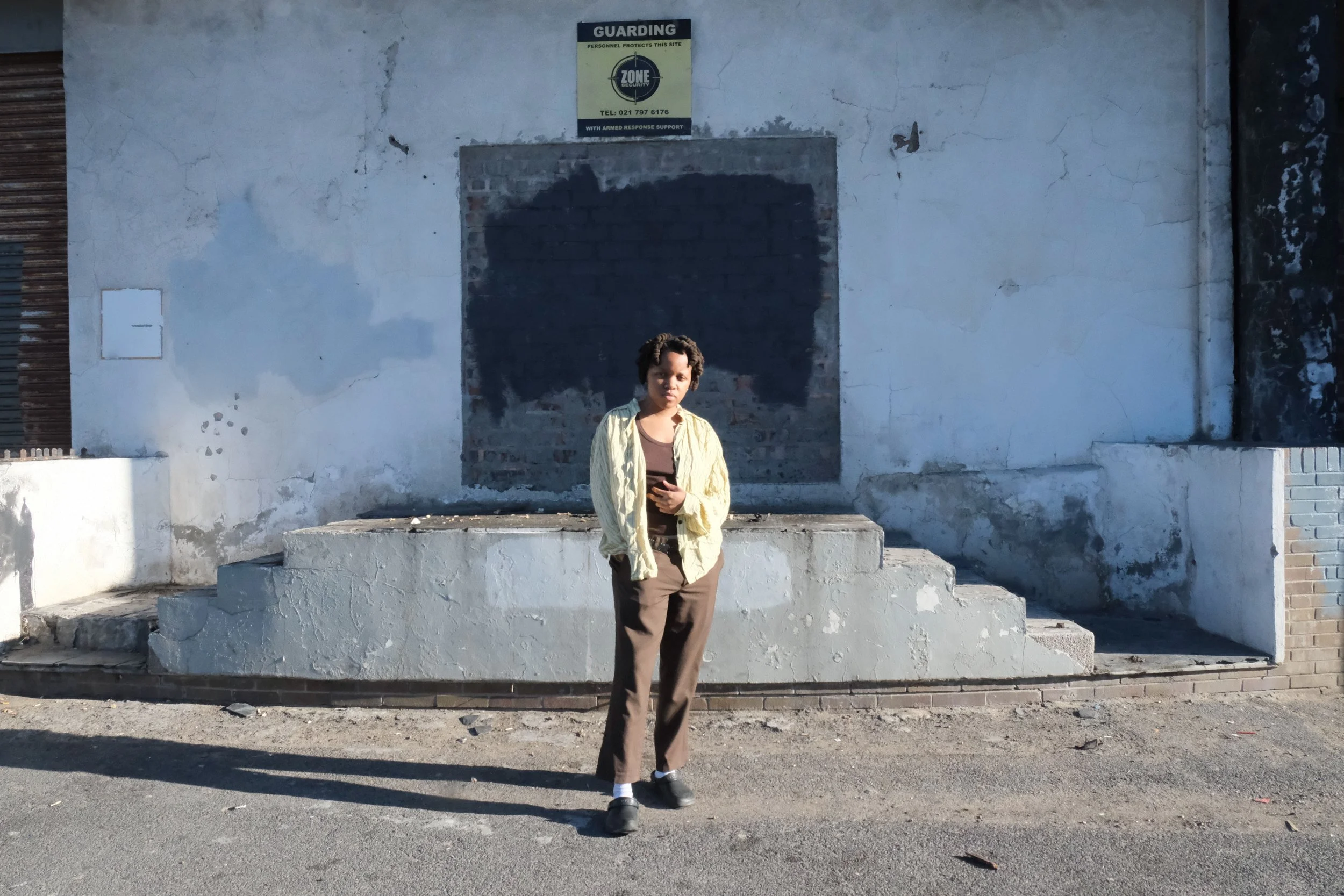
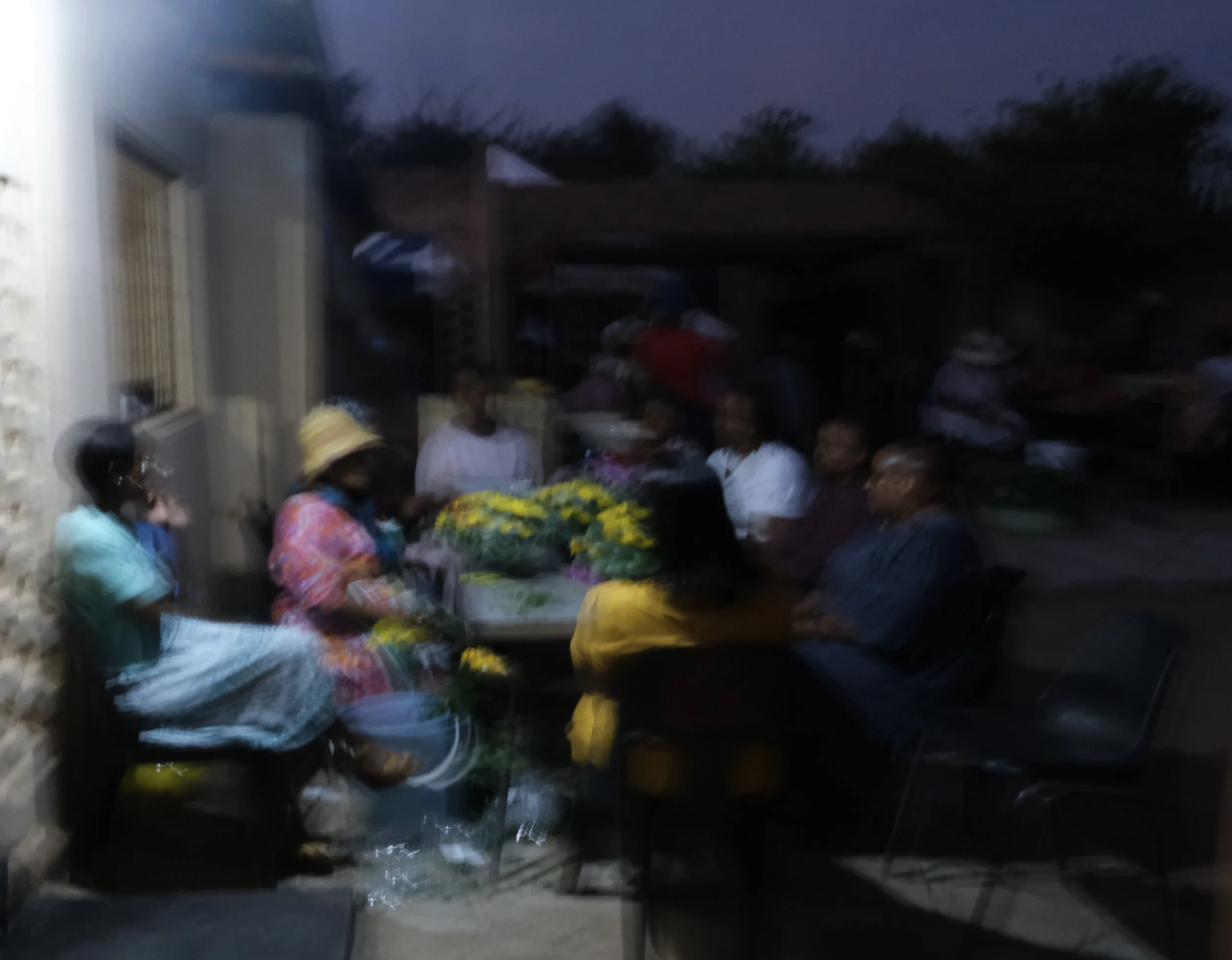
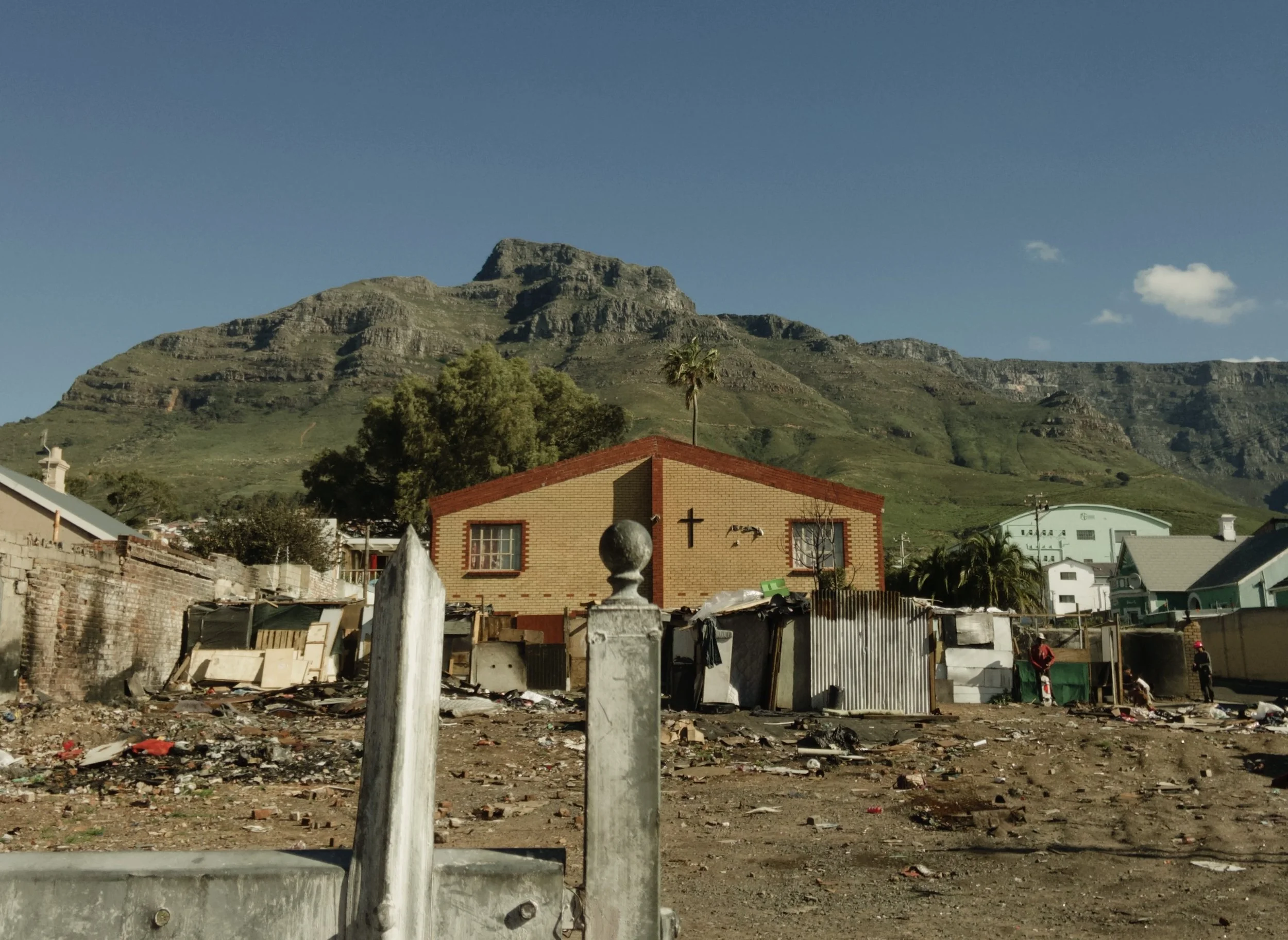
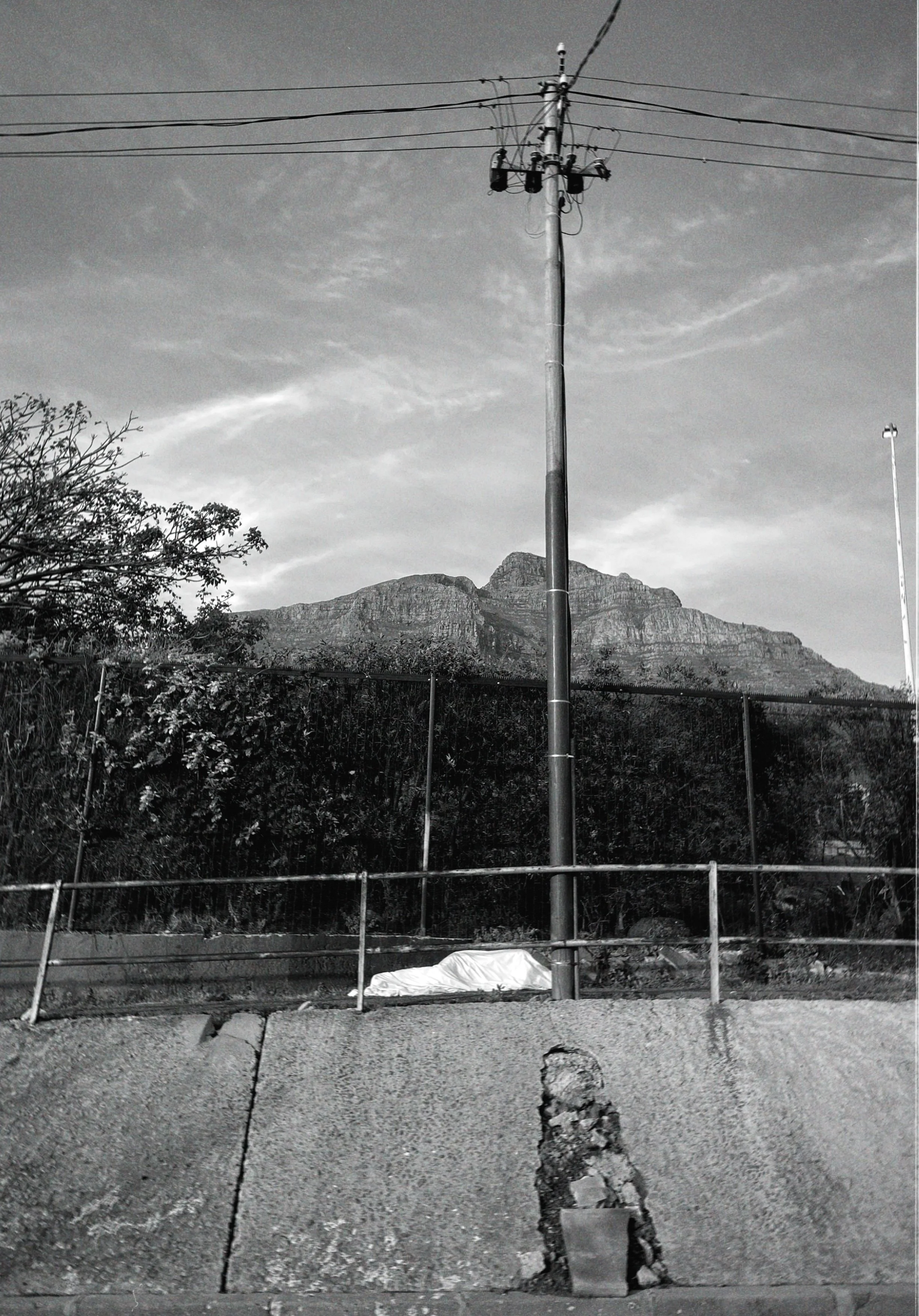
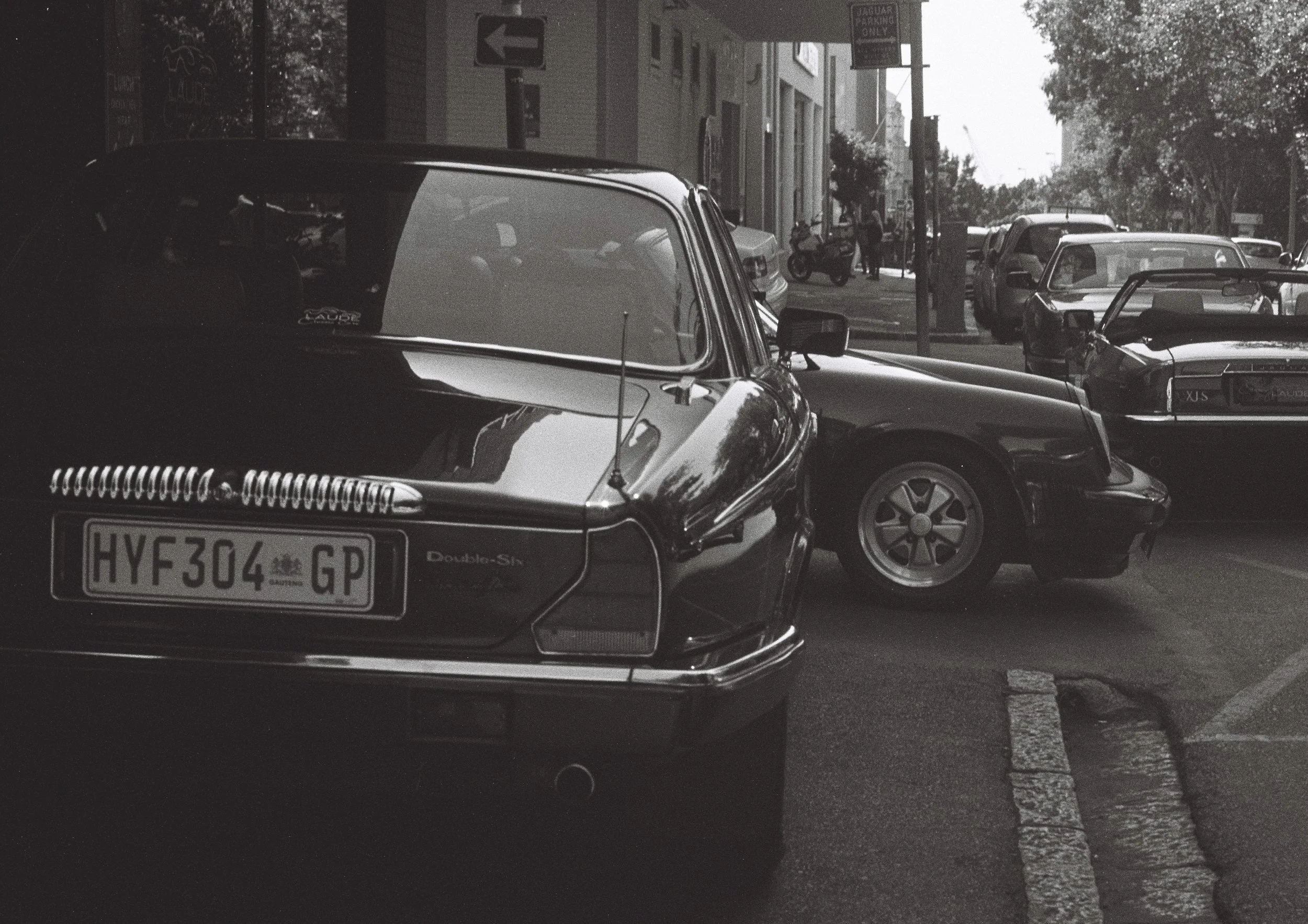
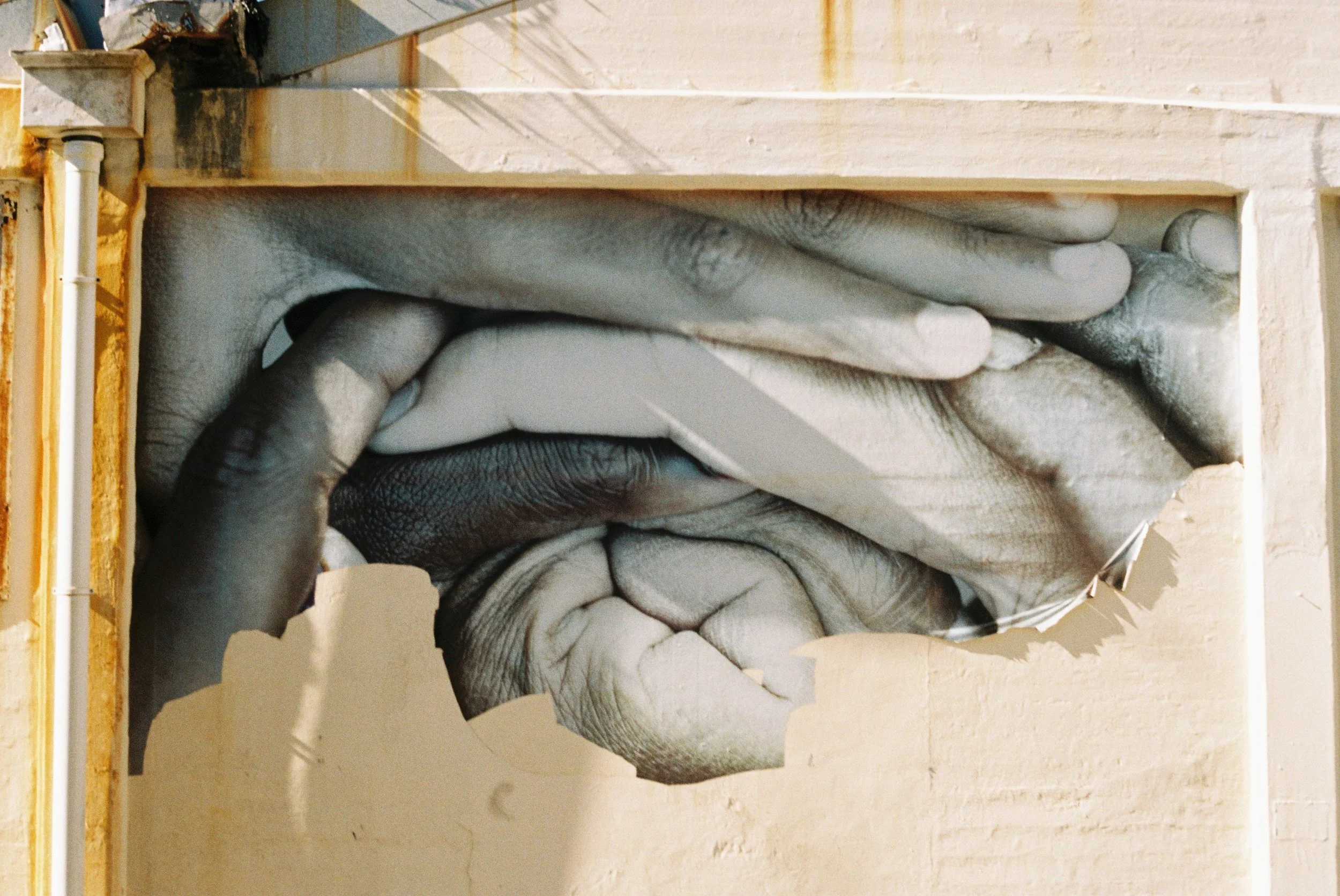
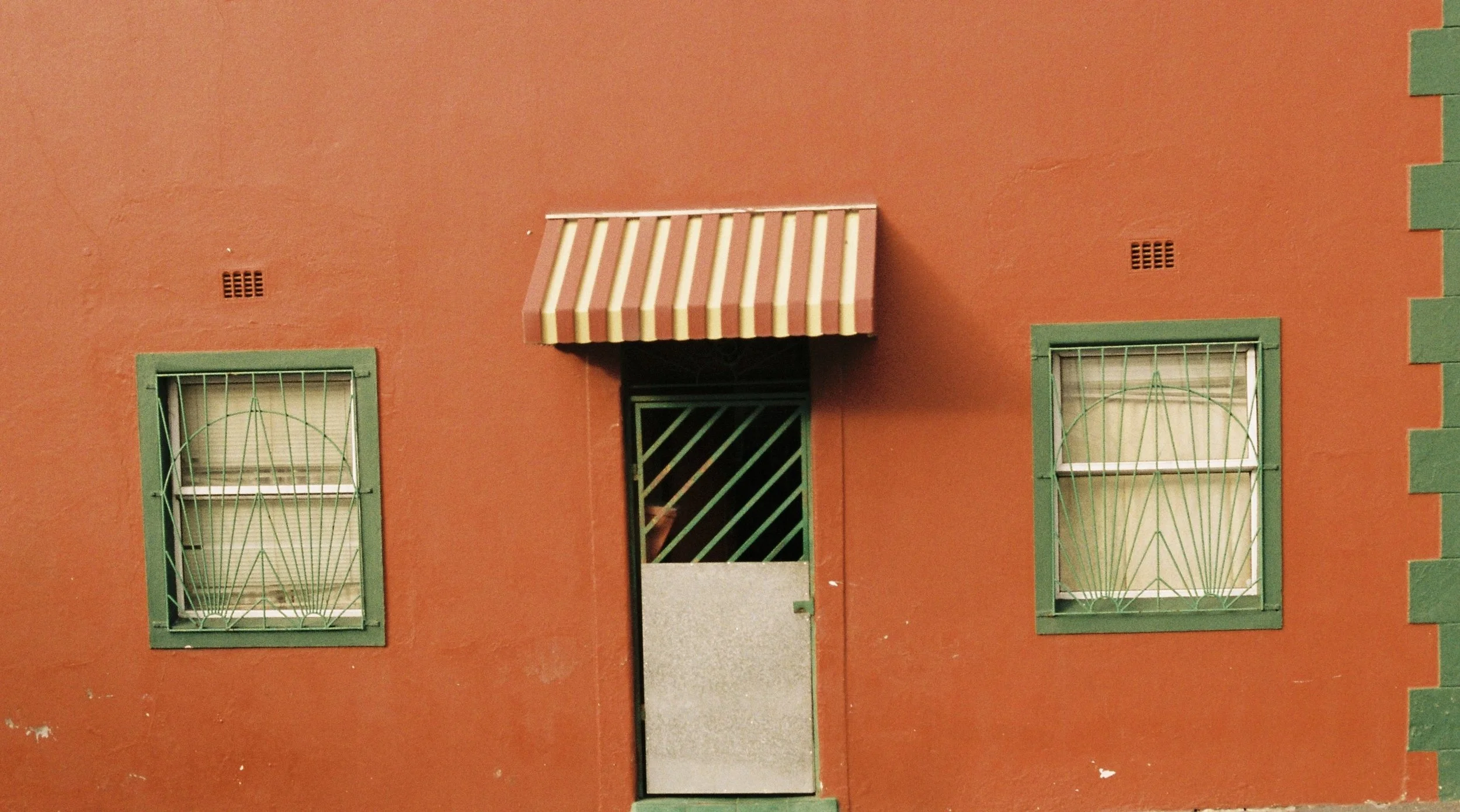
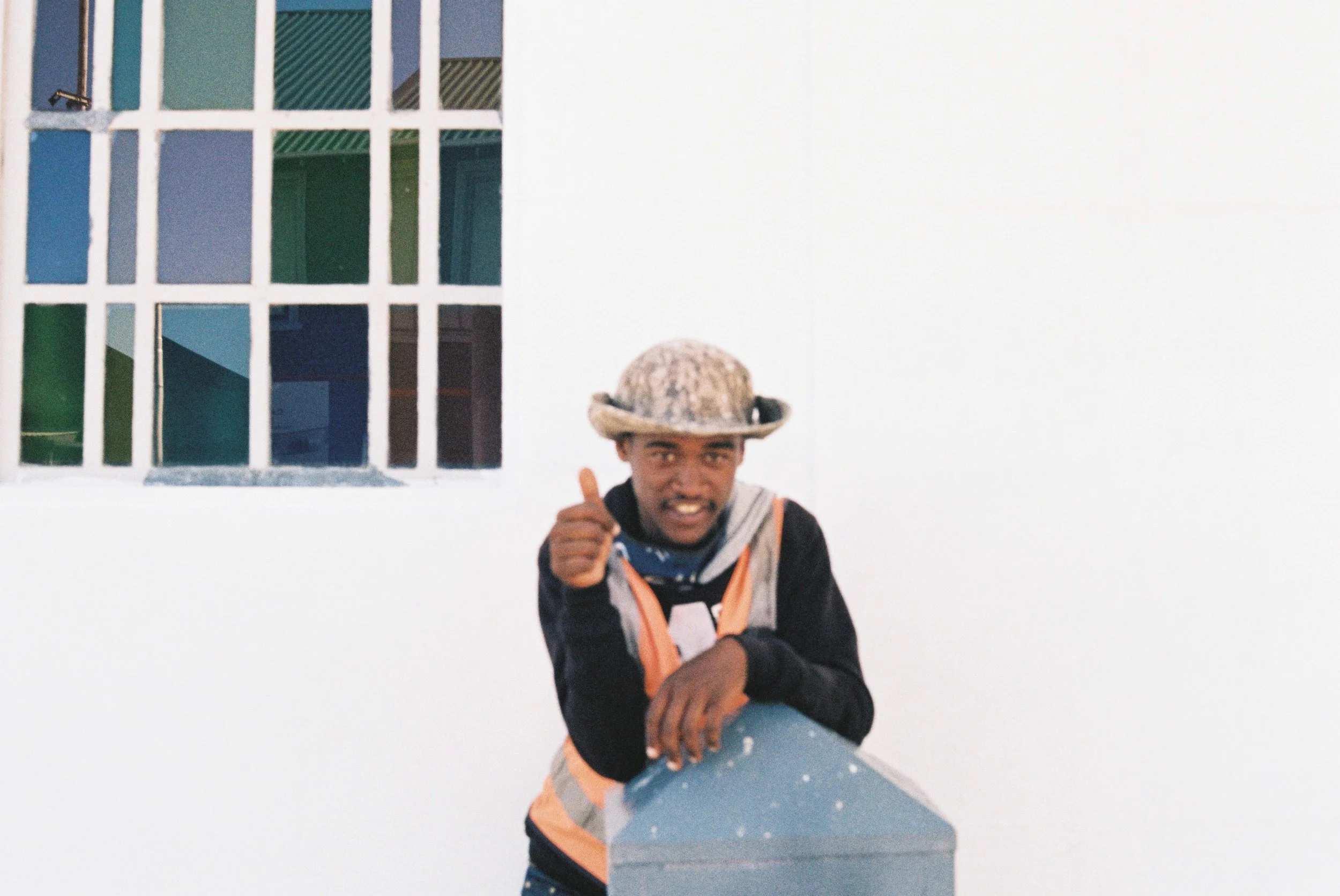
Ayandamacirha Kanise is a polymathic artist whose work spans photography, film, television, and live performance. His photography, rooted in documentary with elements of contemporary imagery, explores the unsaid—uncovering the layers of African life beyond colonial and external narratives. Influenced by his love for visual arts, theatre, and motion picture, his work seeks to challenge dominant perspectives, offering raw and unfiltered portrayals of African identity, culture, and everyday existence. By blending observational storytelling with an artistic sensibility, his images evoke a sense of intimacy and urgency, capturing the complexities of the world around him. His photography has been published in The Guardian, The Witness, BirdLife International, among other prestigious global publications, and he has co-curated exhibitions in esteemed galleries, contributing to the showcasing of internationally renowned artists from across the continent.
Beyond photography, Ayanda is an accomplished screenwriter whose storytelling seamlessly moves between visual and written forms. He holds a BA in Film and Motion Picture, majoring in Screenwriting and Directing, and has written for Tshedza Pictures, an Emmy-nominated production company. He was one of the writers for Champions S1, a prime-time soap opera that reached over three million viewers weekly, and contributed to Champions S2 as one of the writers. His ability to craft layered narratives extends across mediums, making him a versatile and thoughtful storyteller with a keen eye for human emotion and social realities.
With two IMDb credits for critically acclaimed productions, Ayanda continues to expand his artistic practice, using both still and moving images to document and celebrate African stories. His work is driven by a commitment to uncovering universal truth, reflecting the mandate to challenge perceptions, preserve cultural memory, and engage audiences. with the richness, complexity, and depth of African experiences.
Fanie Buys
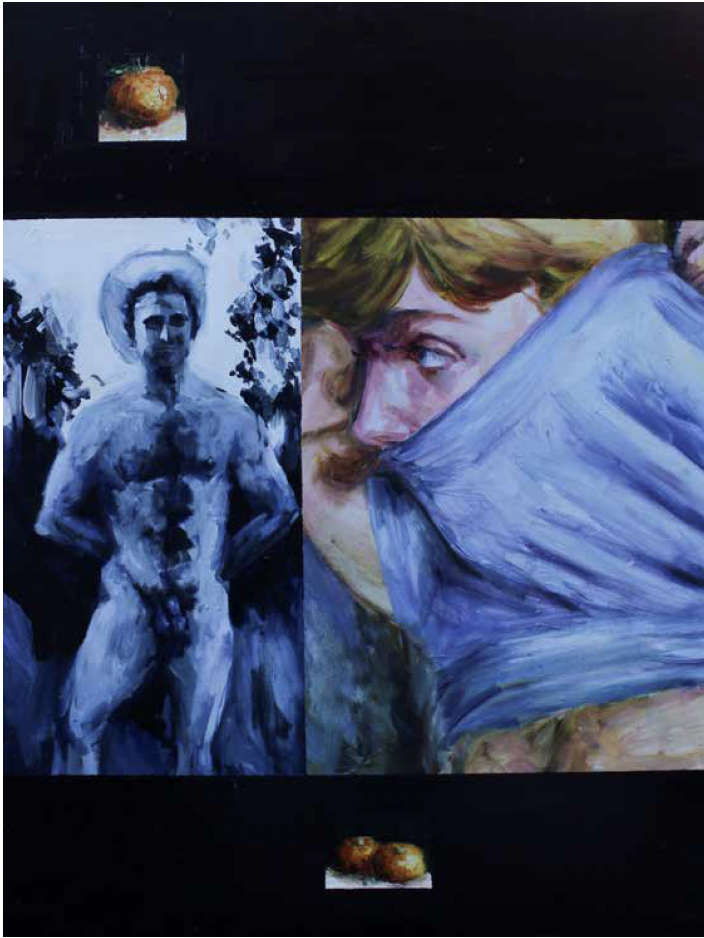
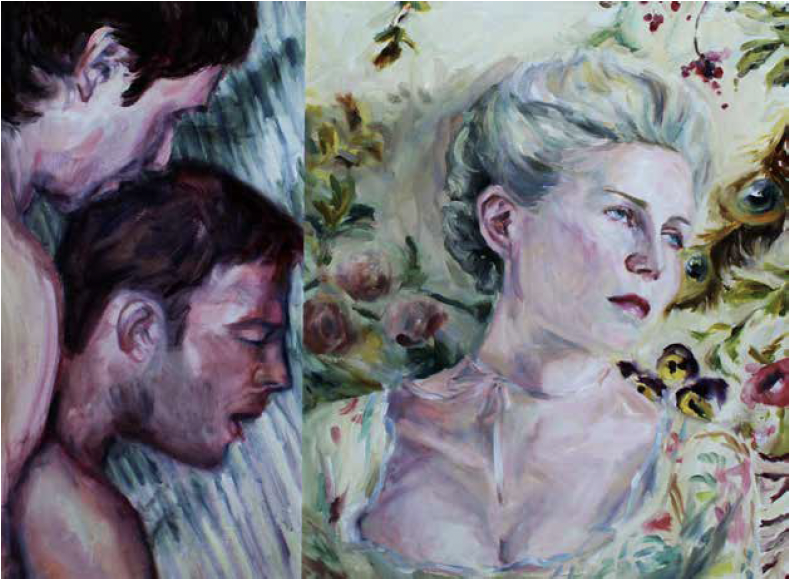
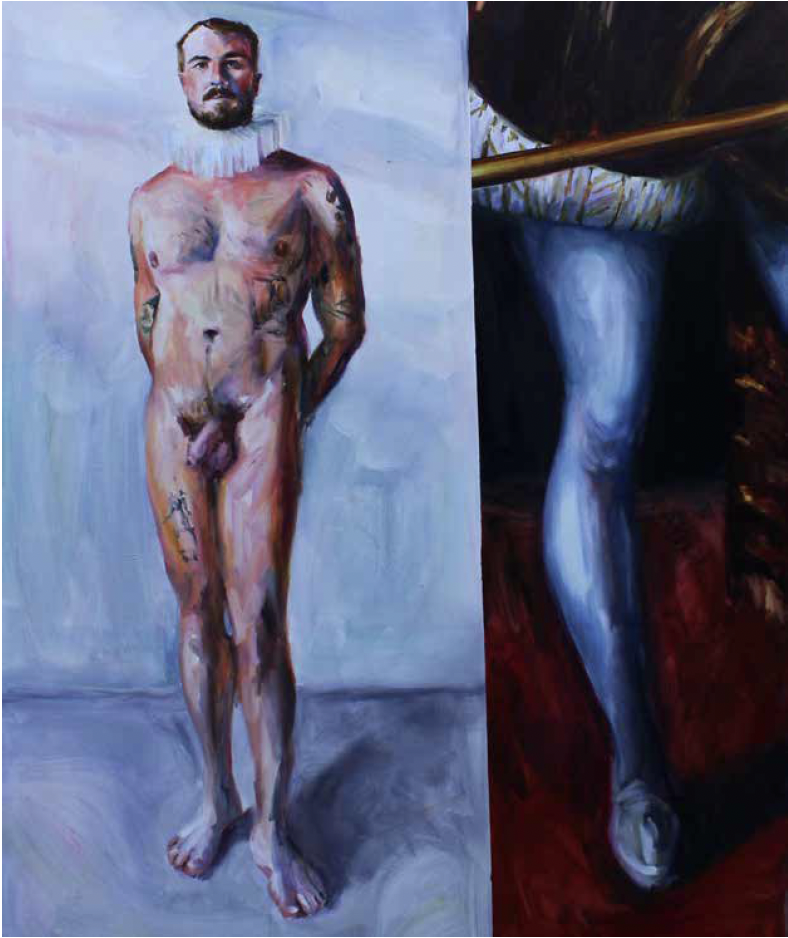
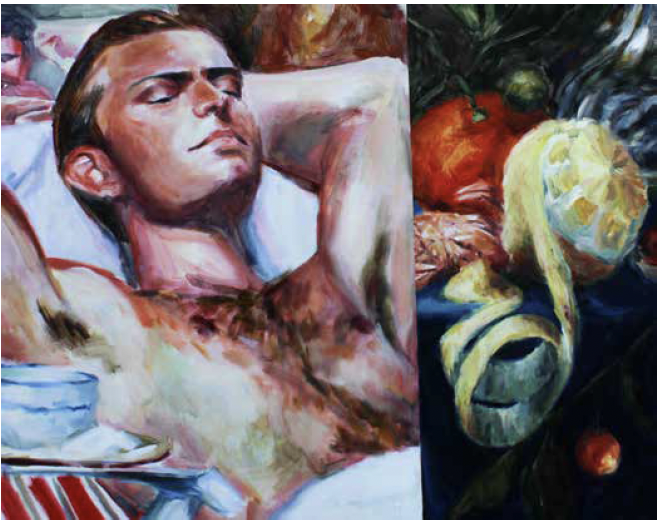
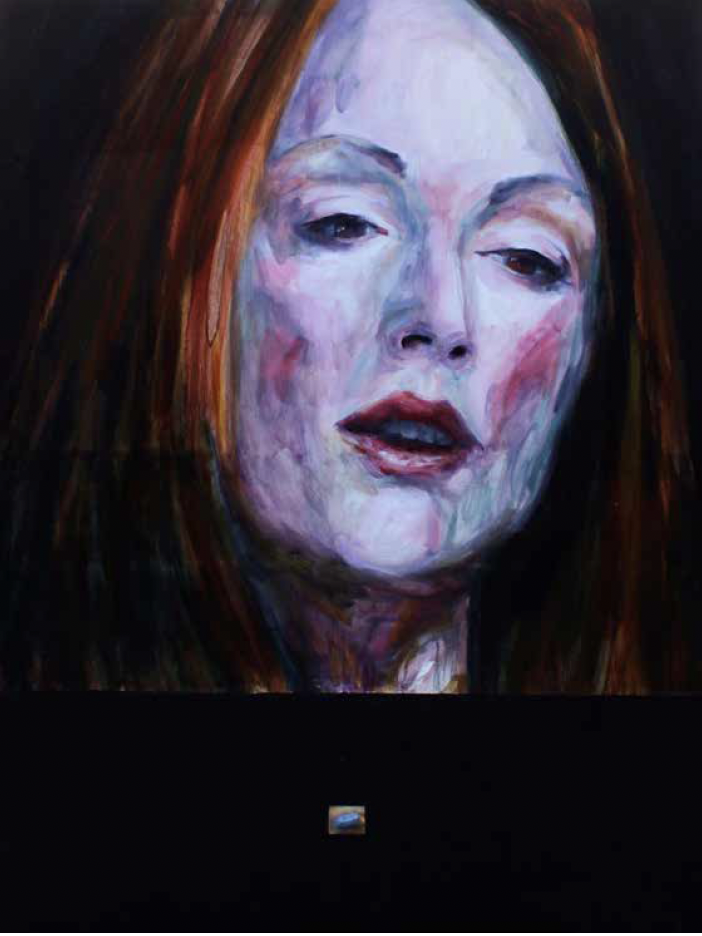
Fanie Buys is a South African born, London based artist. Working predominantly in a figurative style, oil painting is a starting point for a practice which includes: sculpture, drawing, and cura- tion. Buys’ work destabilises the supposition that a recognisable image is a static representation of reality through translating it in to a painterly language. His paintings invite viewers to consider mass celebrity and internet culture through painting’s historicity: questioning gender, subjectivity, and cultural hierarchies. Buys is currently an MFA candidate at Goldsmiths, University of London. He graduated from the Michaelis School of Fine Art, University of Cape Town in 2016 and has since been exhibiting in South Africa, the UK, France, and the USA. He is the winner of the Abercrombie and Kent Prize (2023), The Judy Steinberg Award (2016), and the Simon Gerson Prize (2016). He has been included in Sanalm Portrait Awards, The Chelsea Art Society Summer Show, and the Nandos’ Creative Exchange.
About these works:
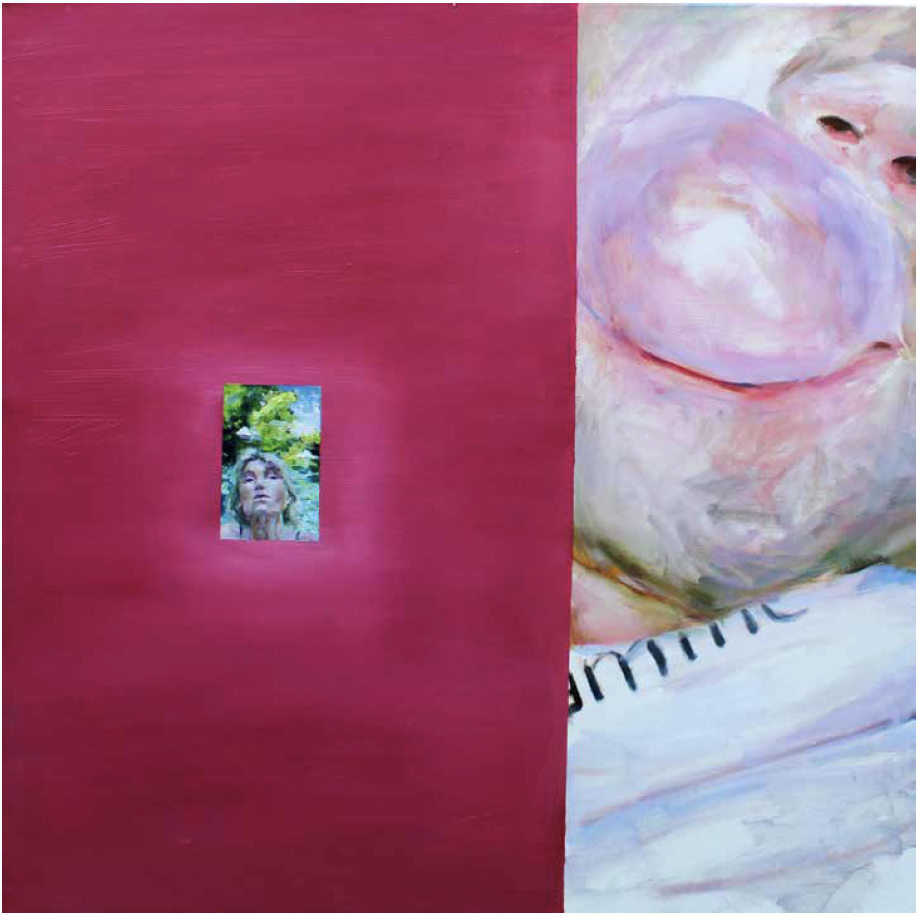
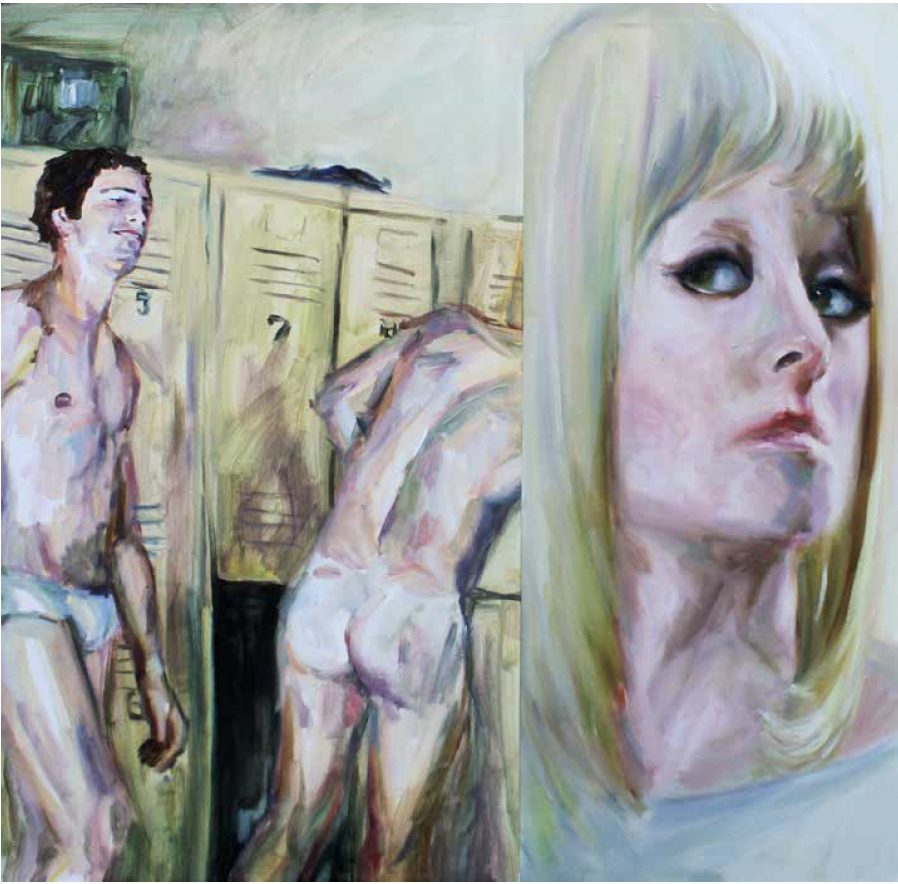
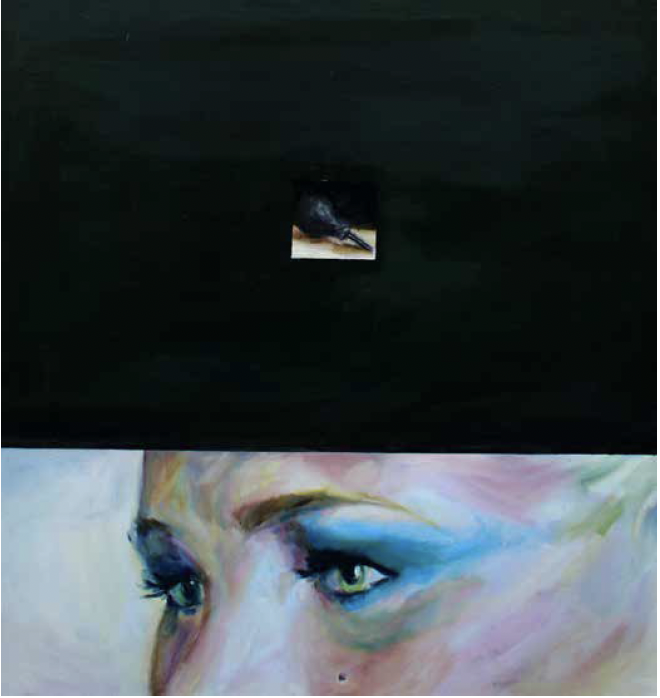
"These works are the product of my first 6 months at Goldsmiths, where I’ve been reconsidering how I make meaning in my practice. They are a progression from presenting a body of work as idea to making one work considering one idea on a single painting plane.
What are these ideas? It’s a free association game with female character actresses and homosexual ephemera. For myself, and a lot of gay men, there is a tendency to inhabit a feminine role as a means of self-expression: whether its to empower, protect, or avoid ourselves. In many ways that’s also been the role of portraiture historically. These works use painting as a genre to consider a contemporary gay sensibility through images: Julianne Moore and PrEP, cowboys and oranges, Anna Nicole Smith’s concerned eyes and a douche bulb.
In some respects this is very much tied to my own sense of self, but because of the way media informs society, that sense of self is tied to so much external noise: through images. When that sense of self is transgressive, the images become a secret language, in my case the language of camp. The works use images (and titles) as witty rejoinders charmingly delivering concerns about self worth, gender, and having it all in the 21st century.
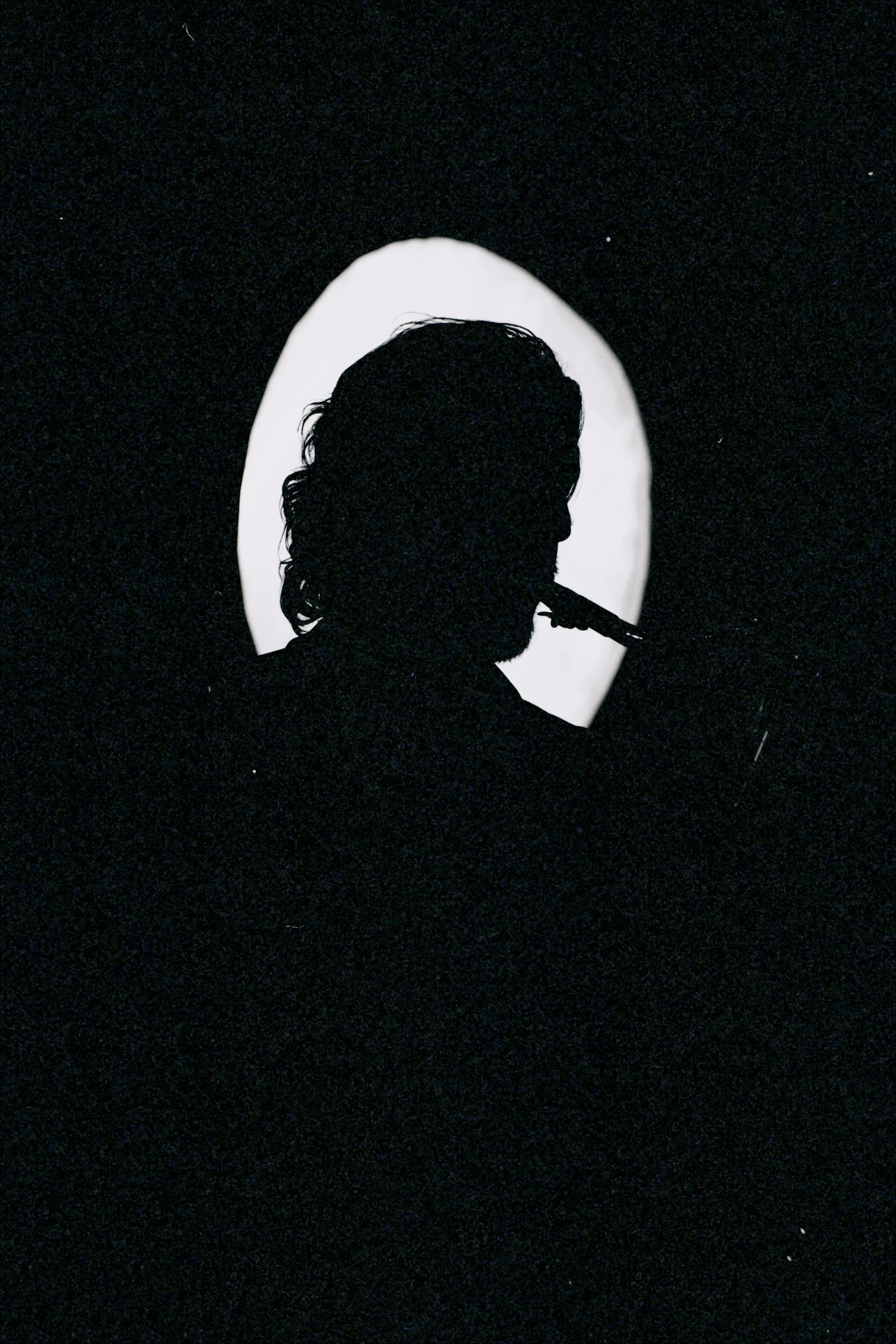
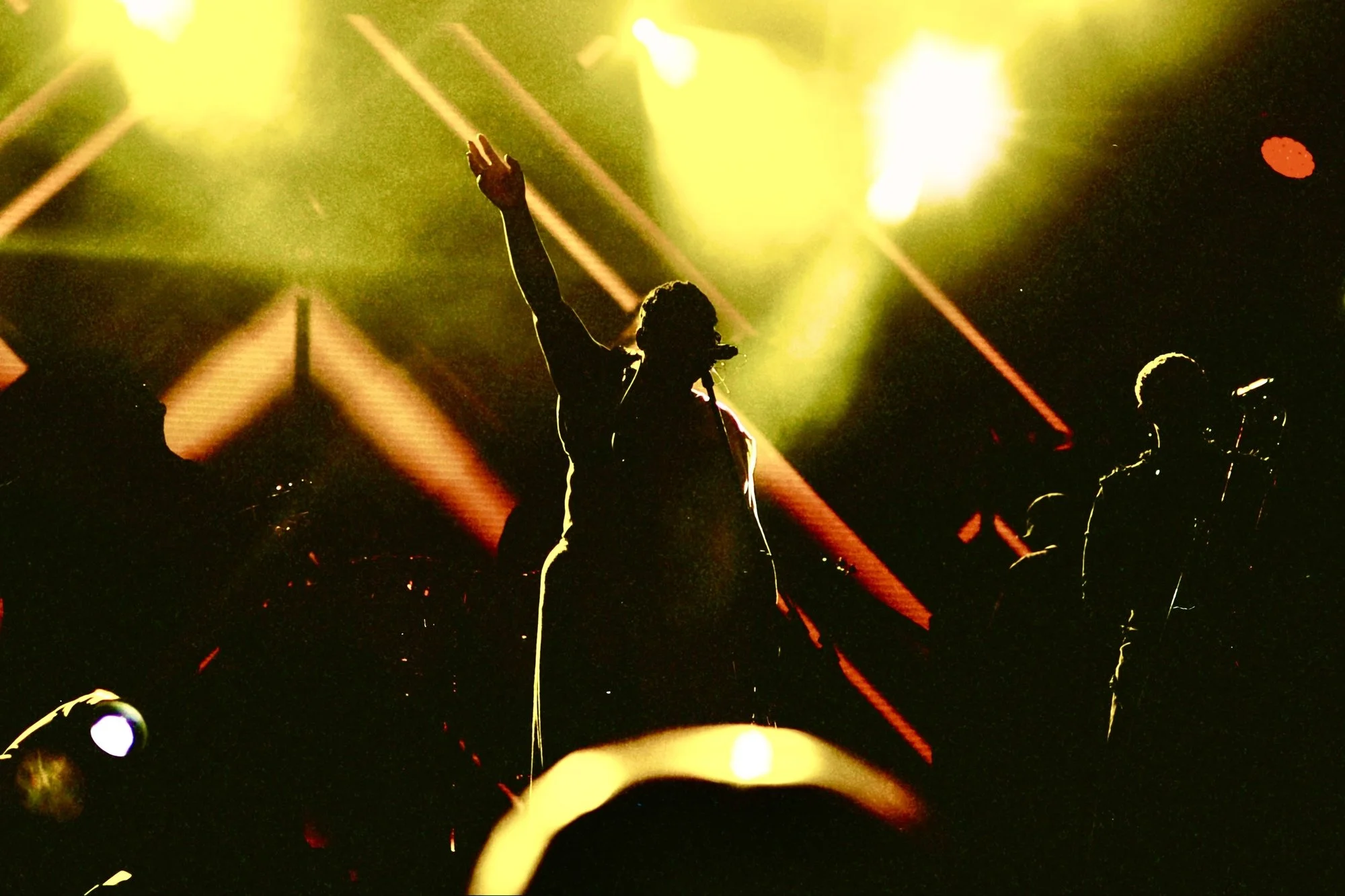
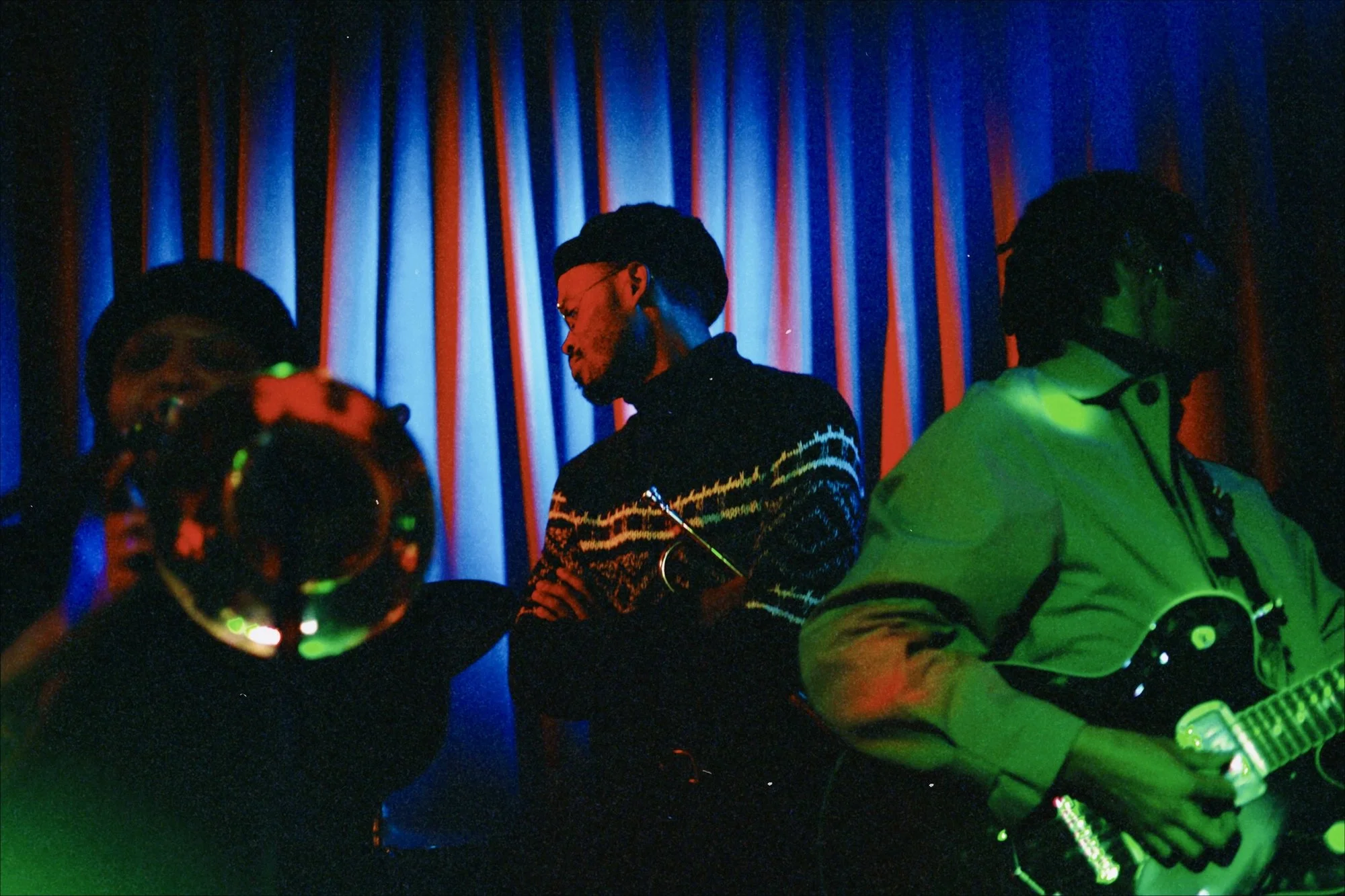
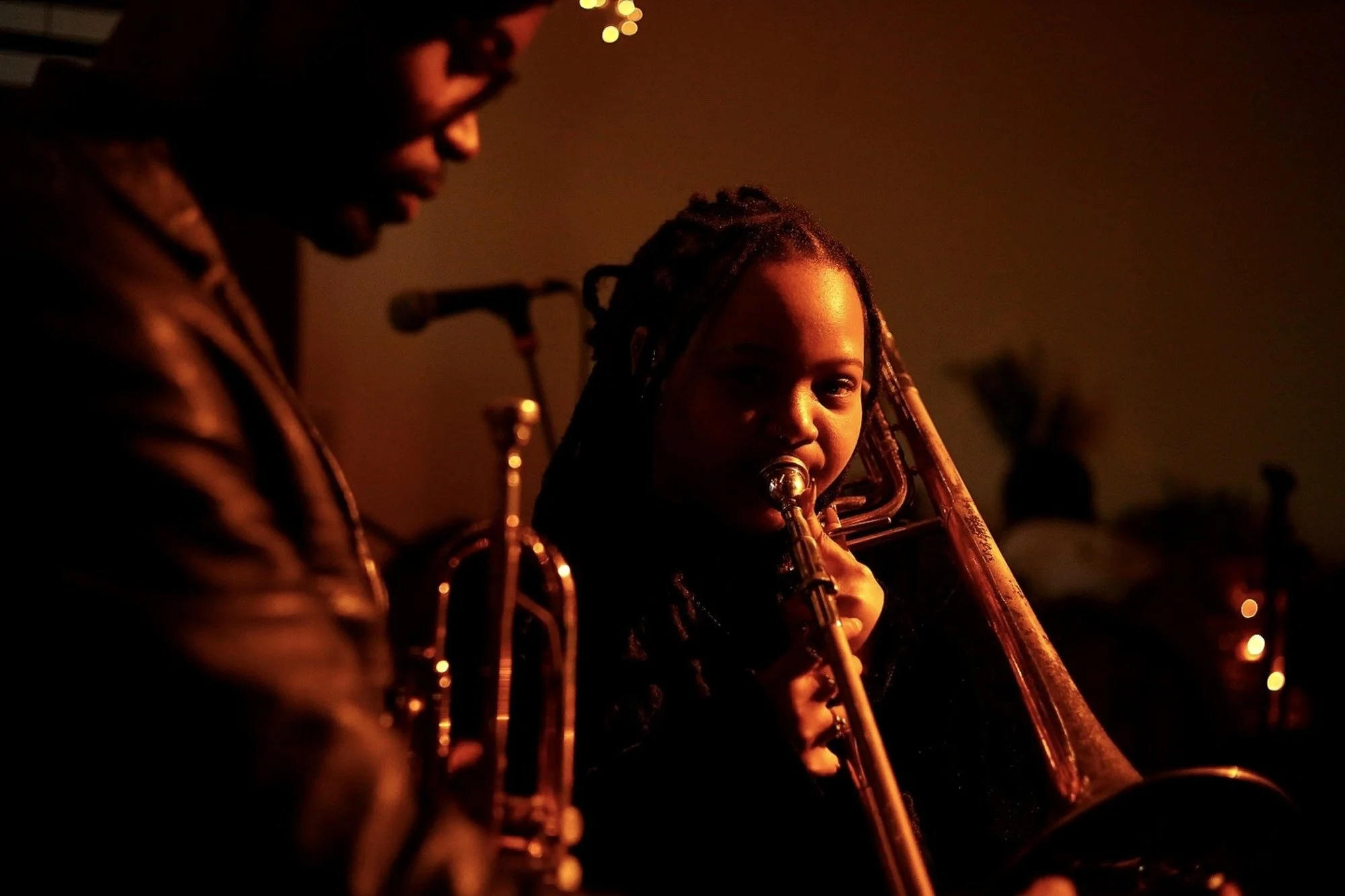
Jojo’s Photos
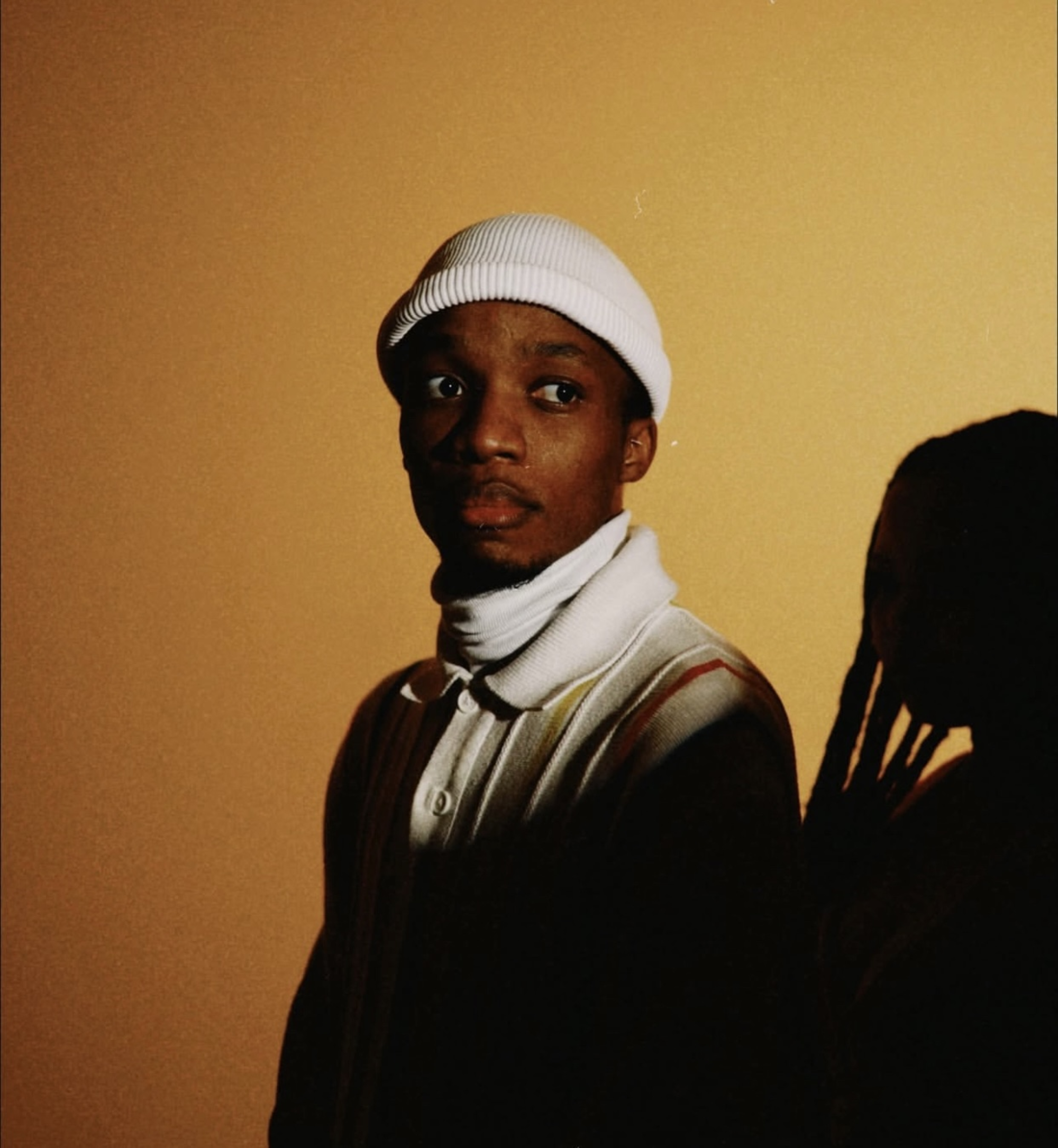
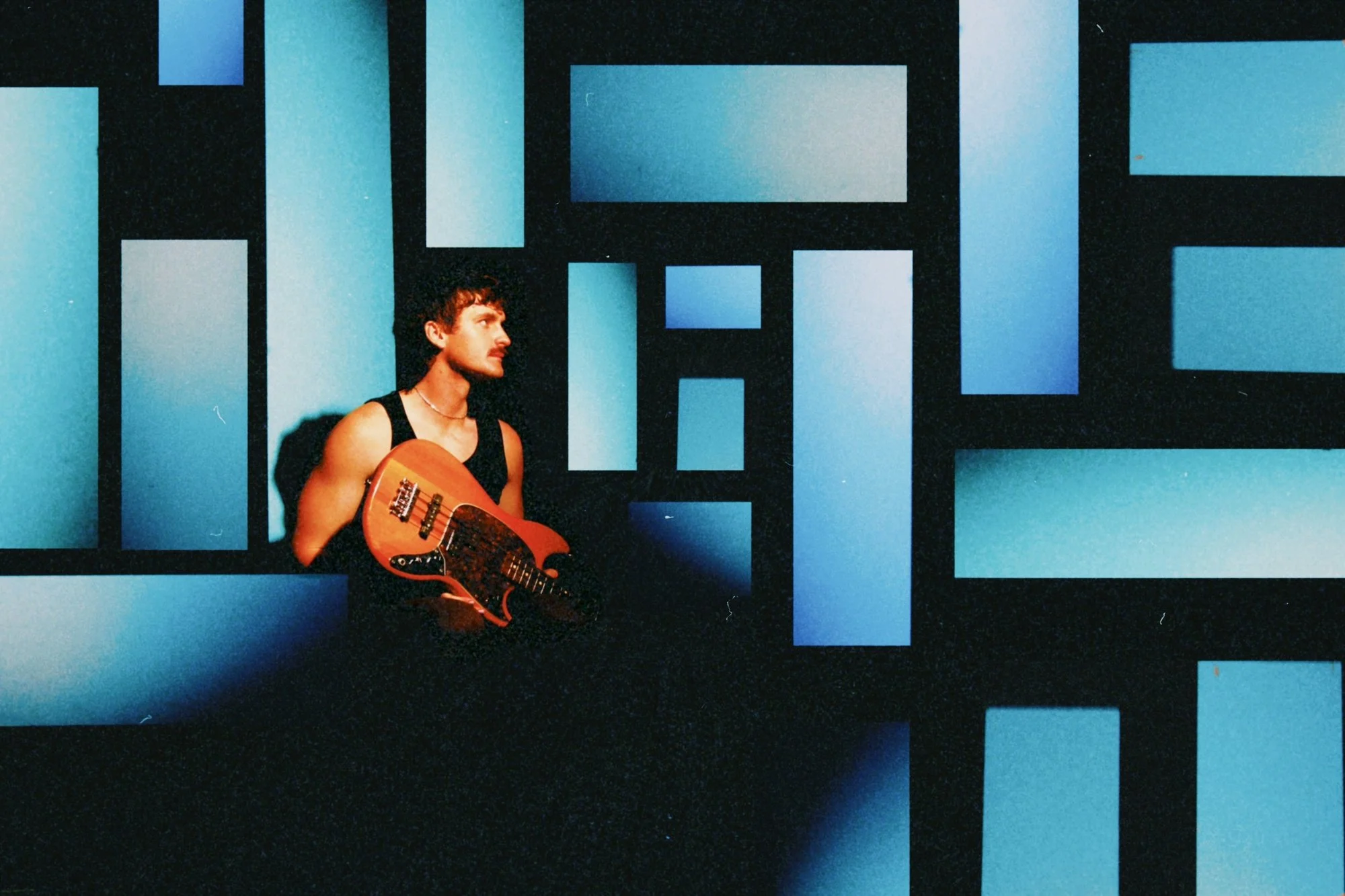
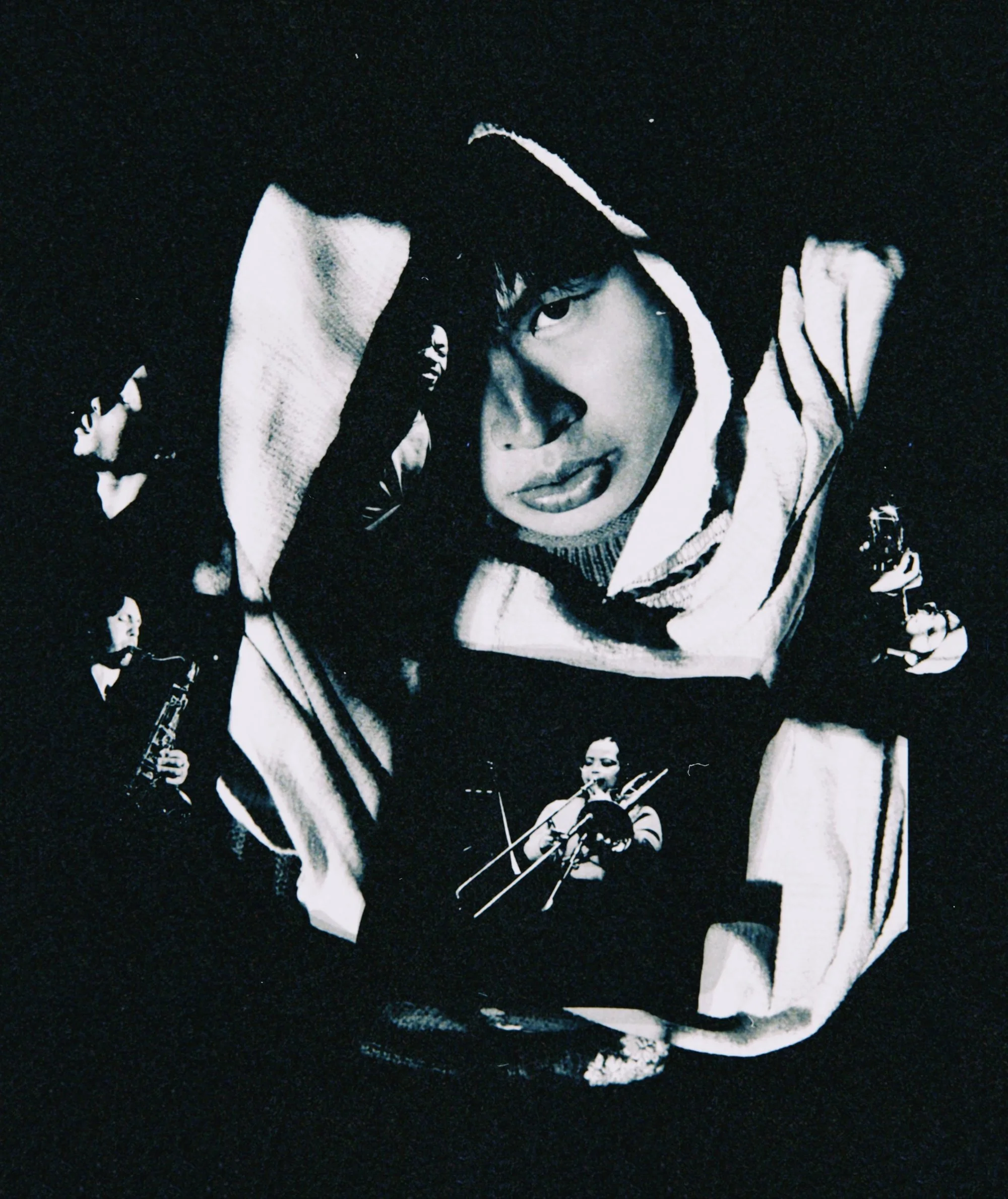
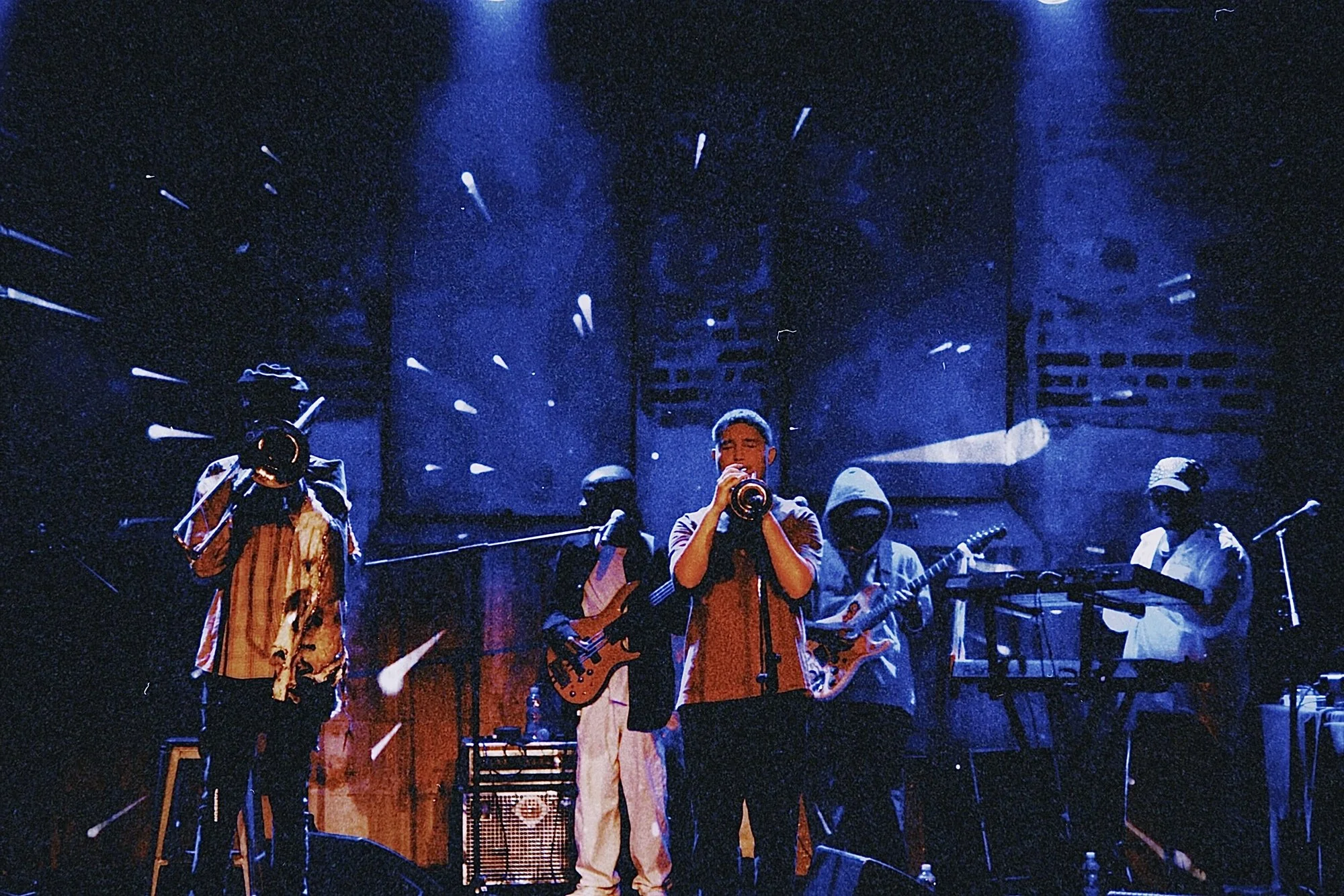
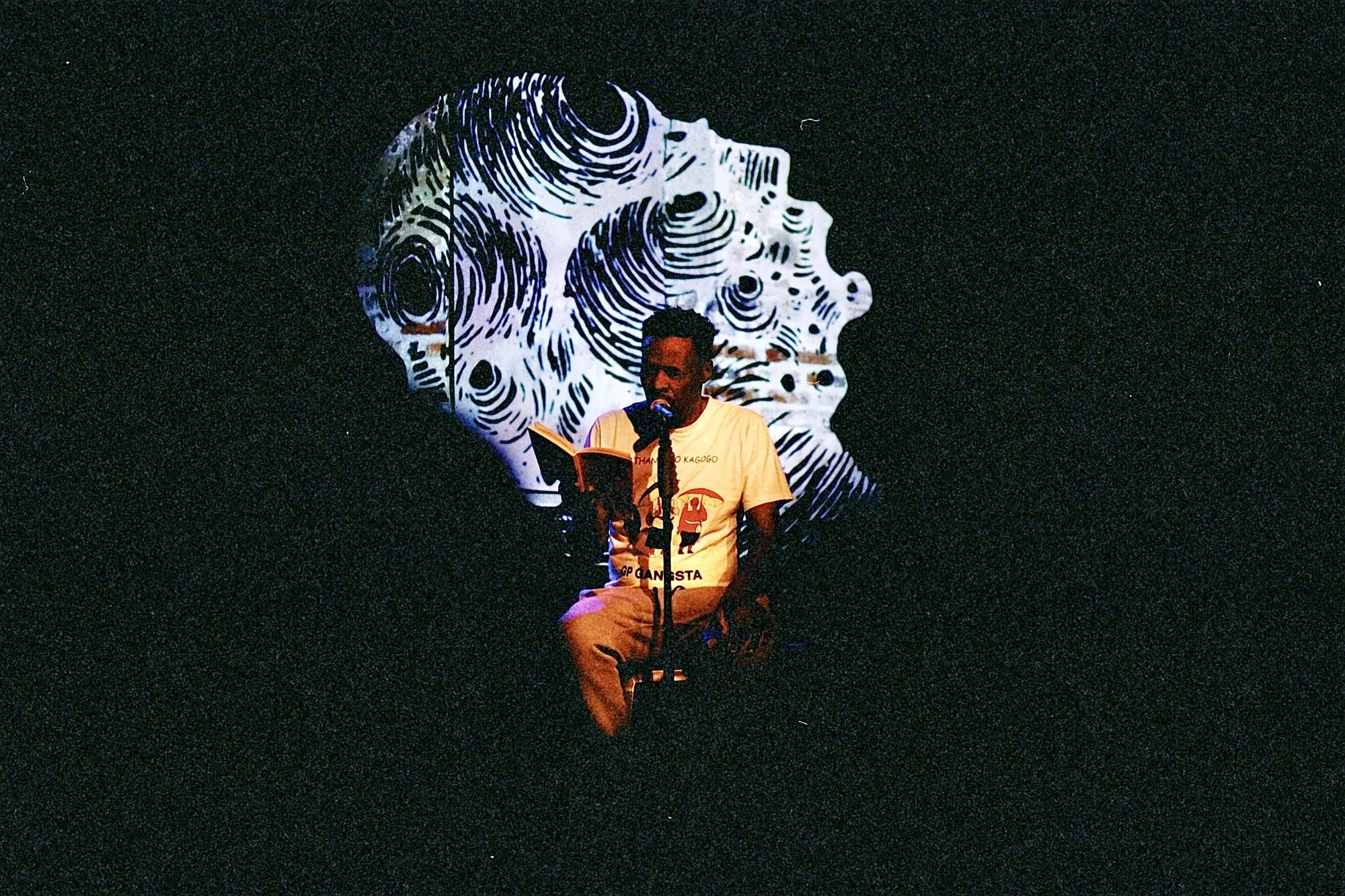
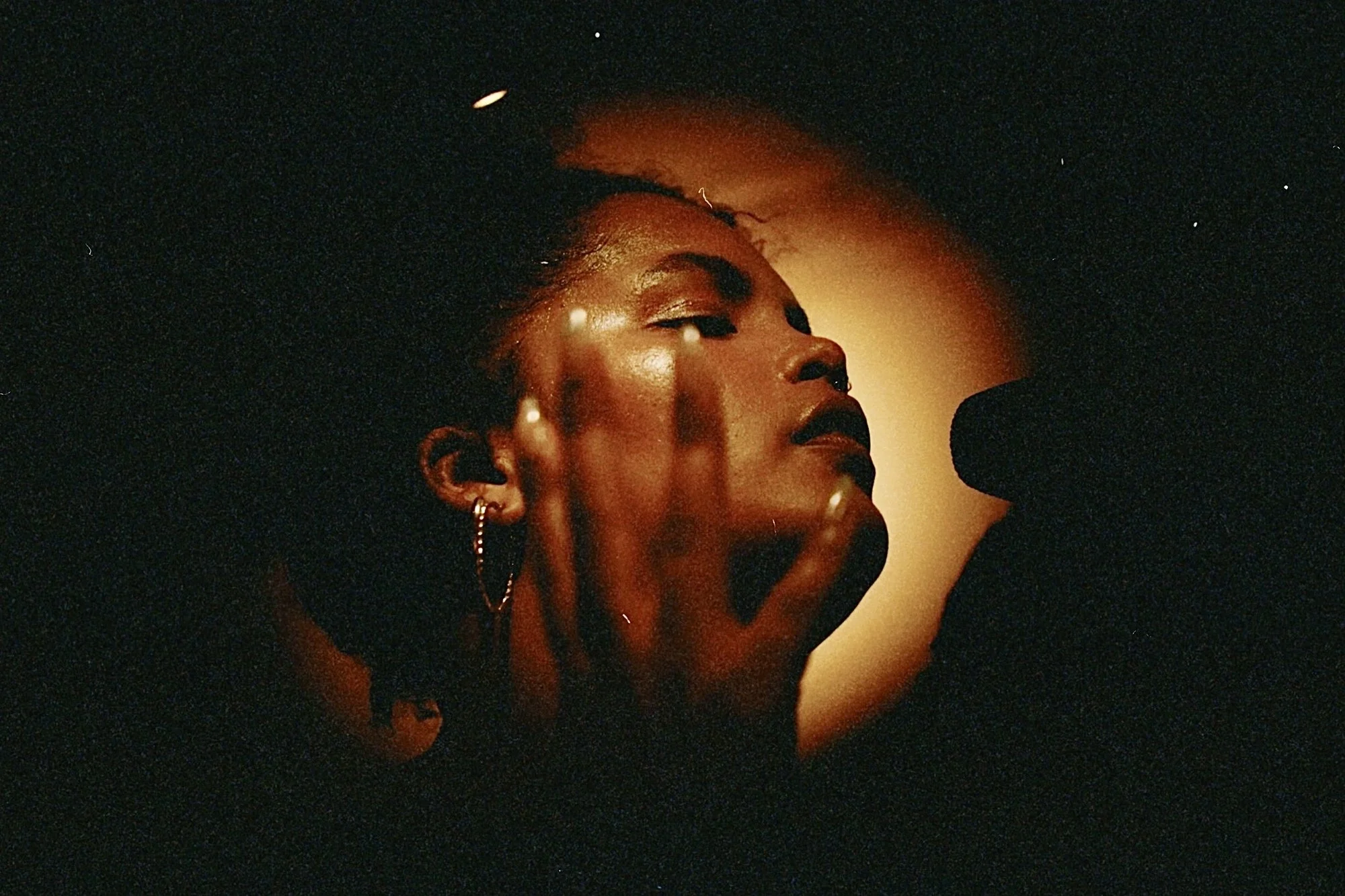
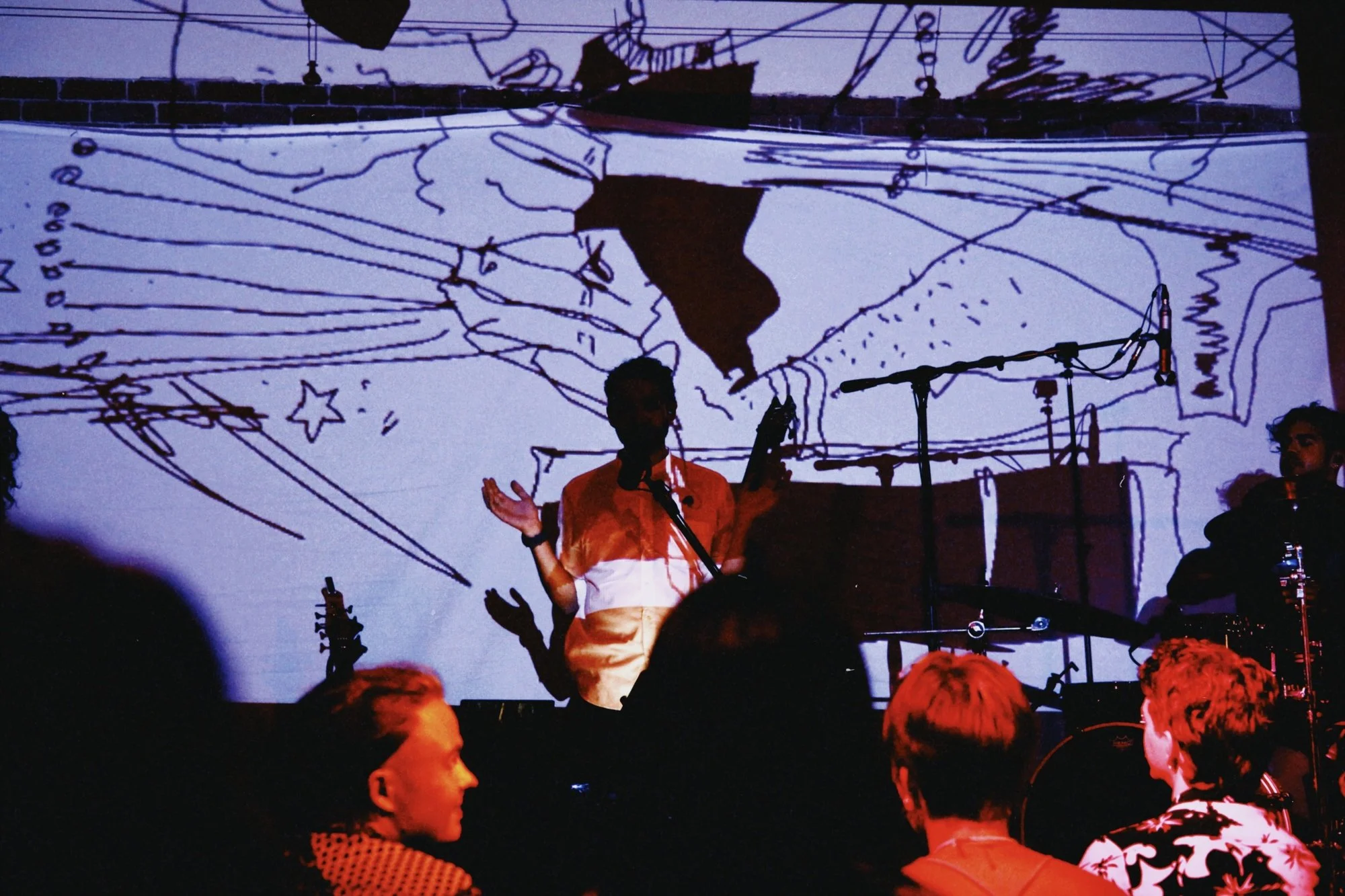
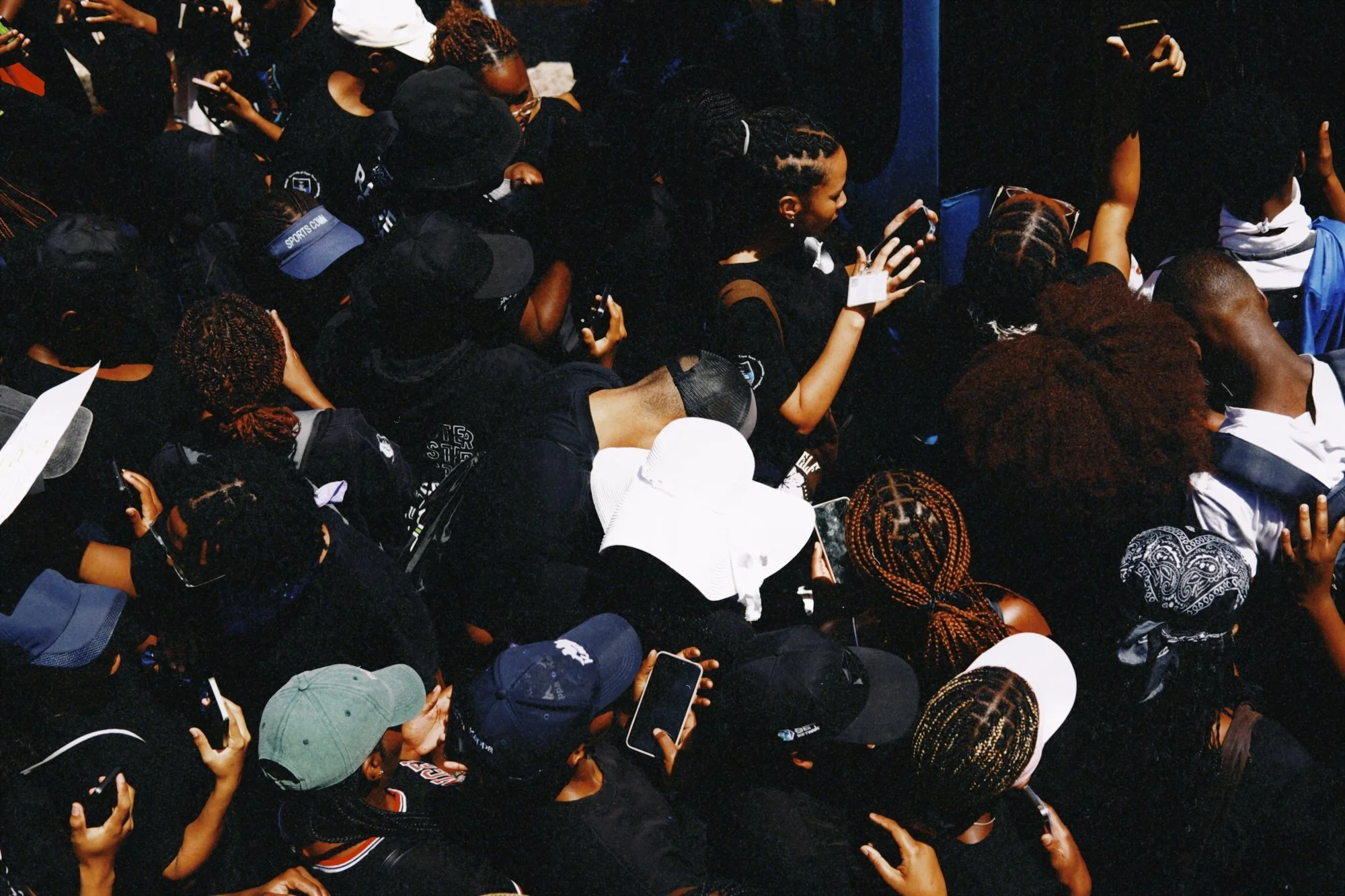
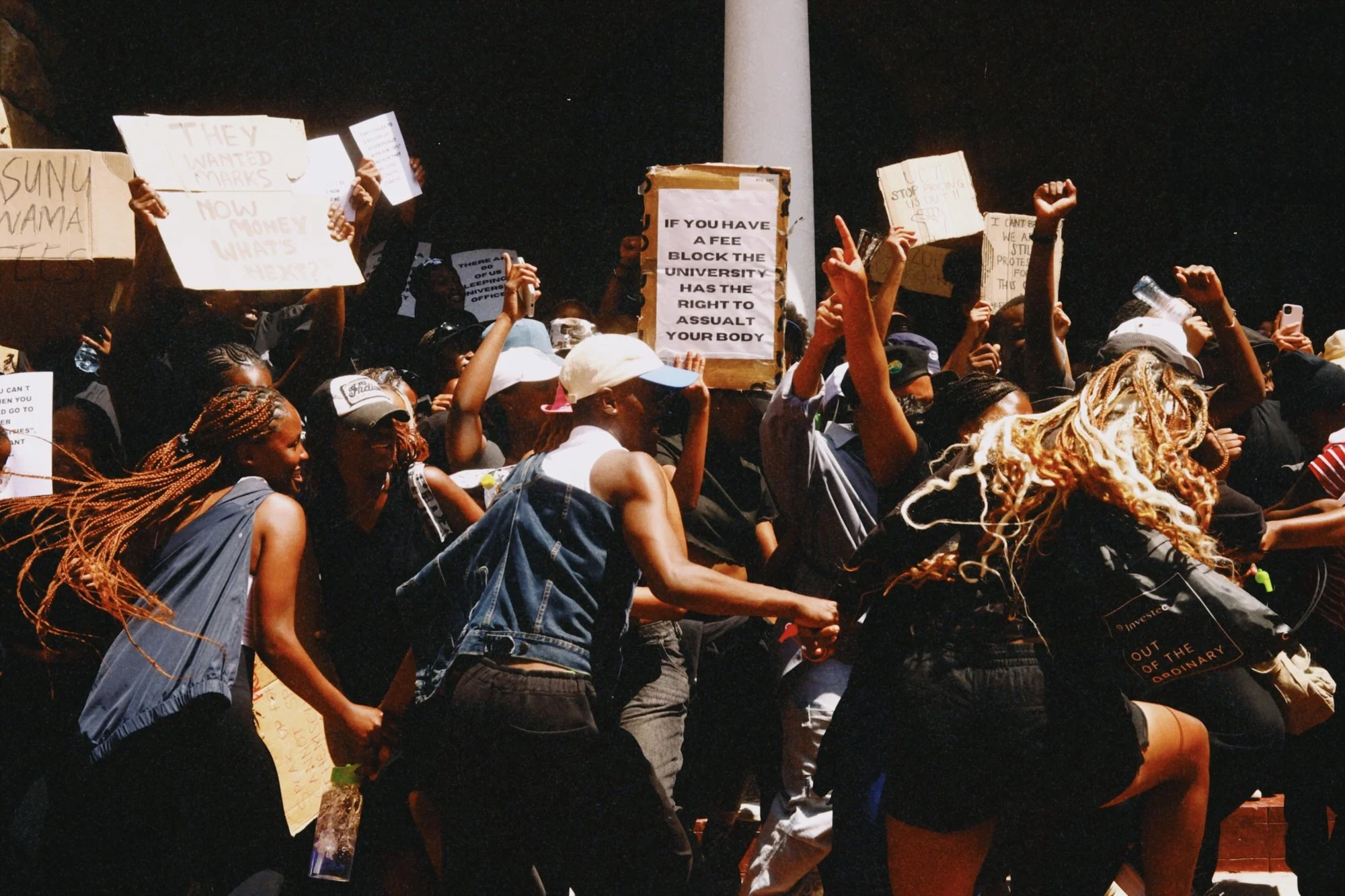
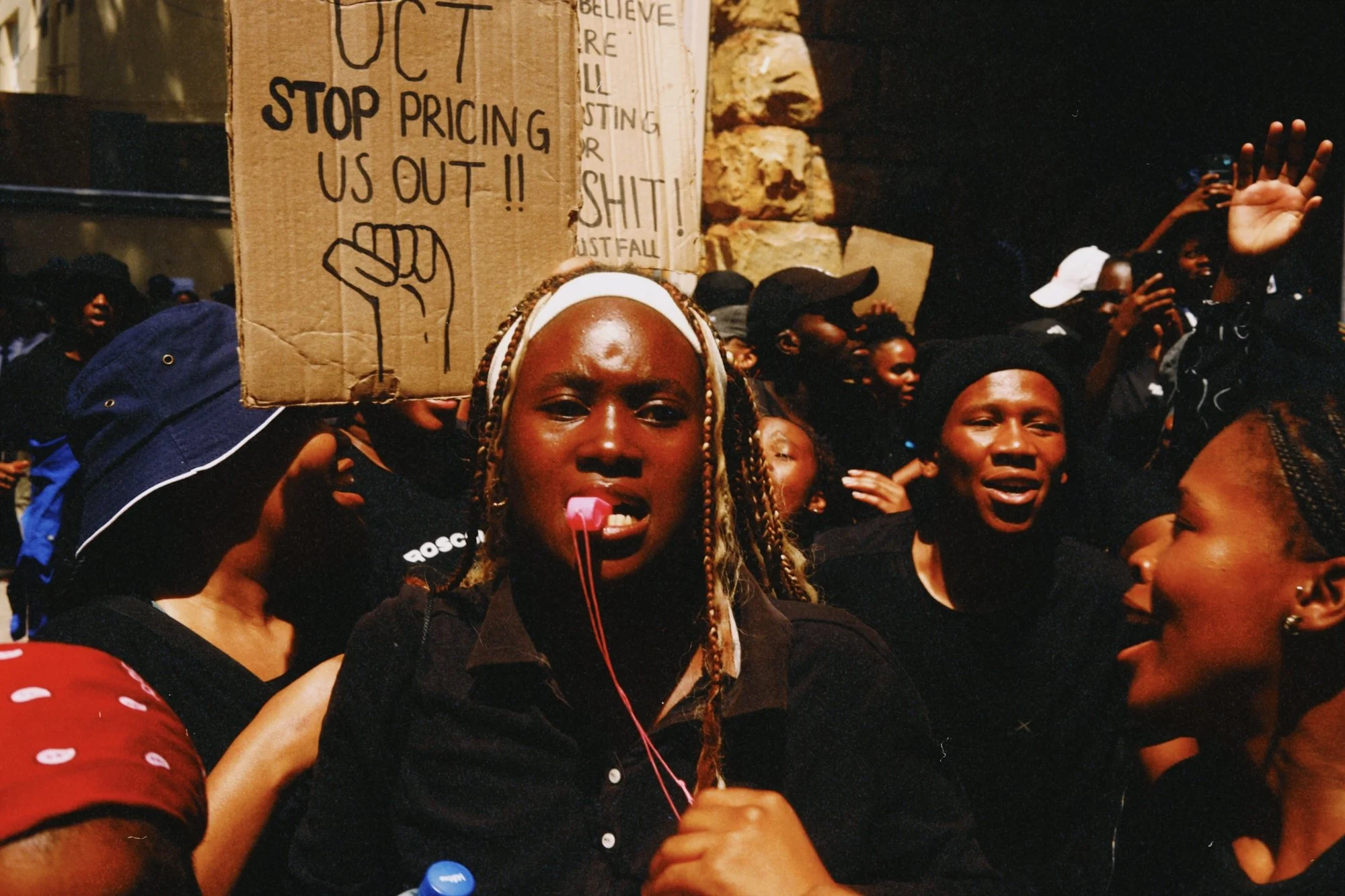
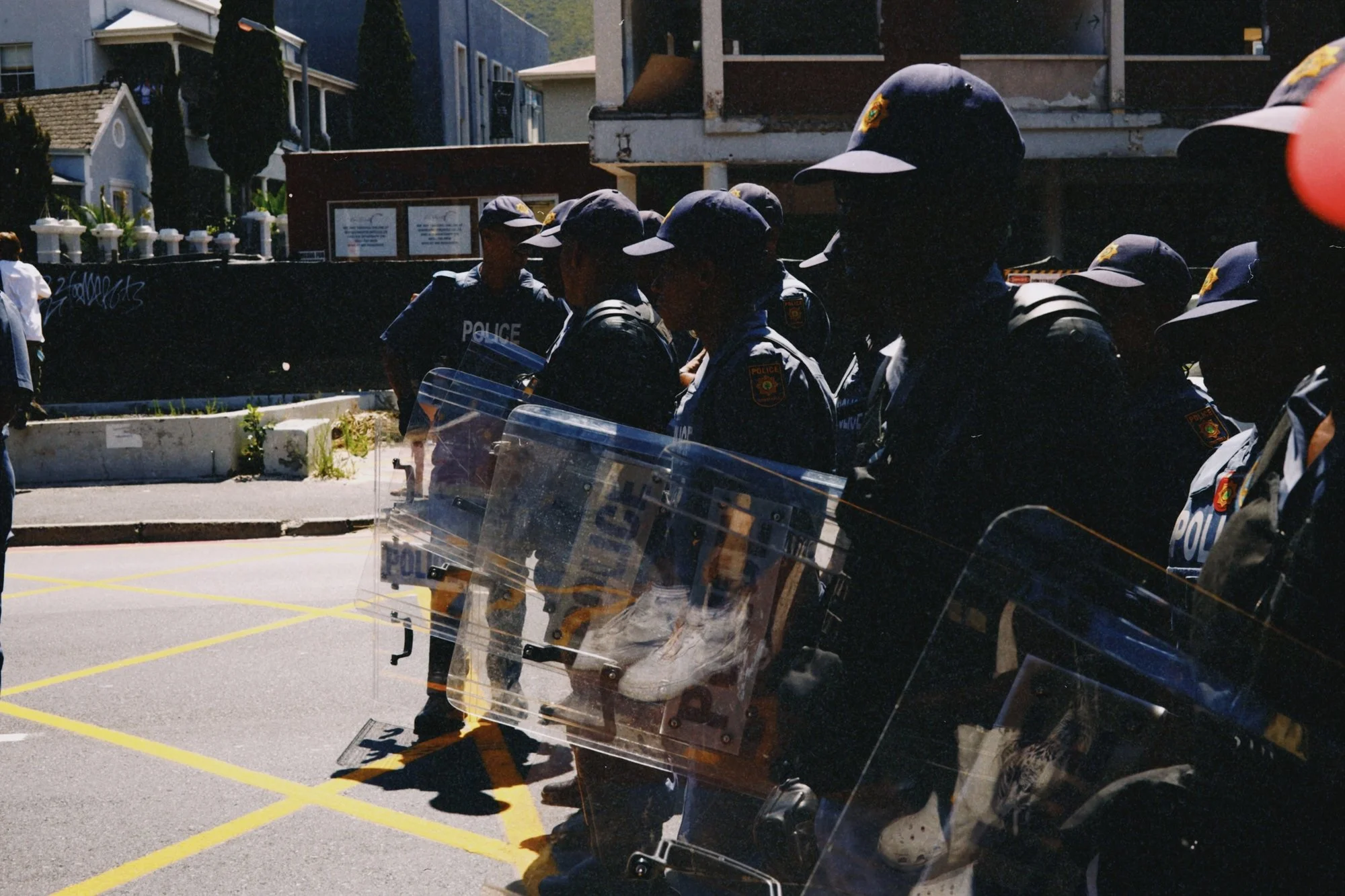
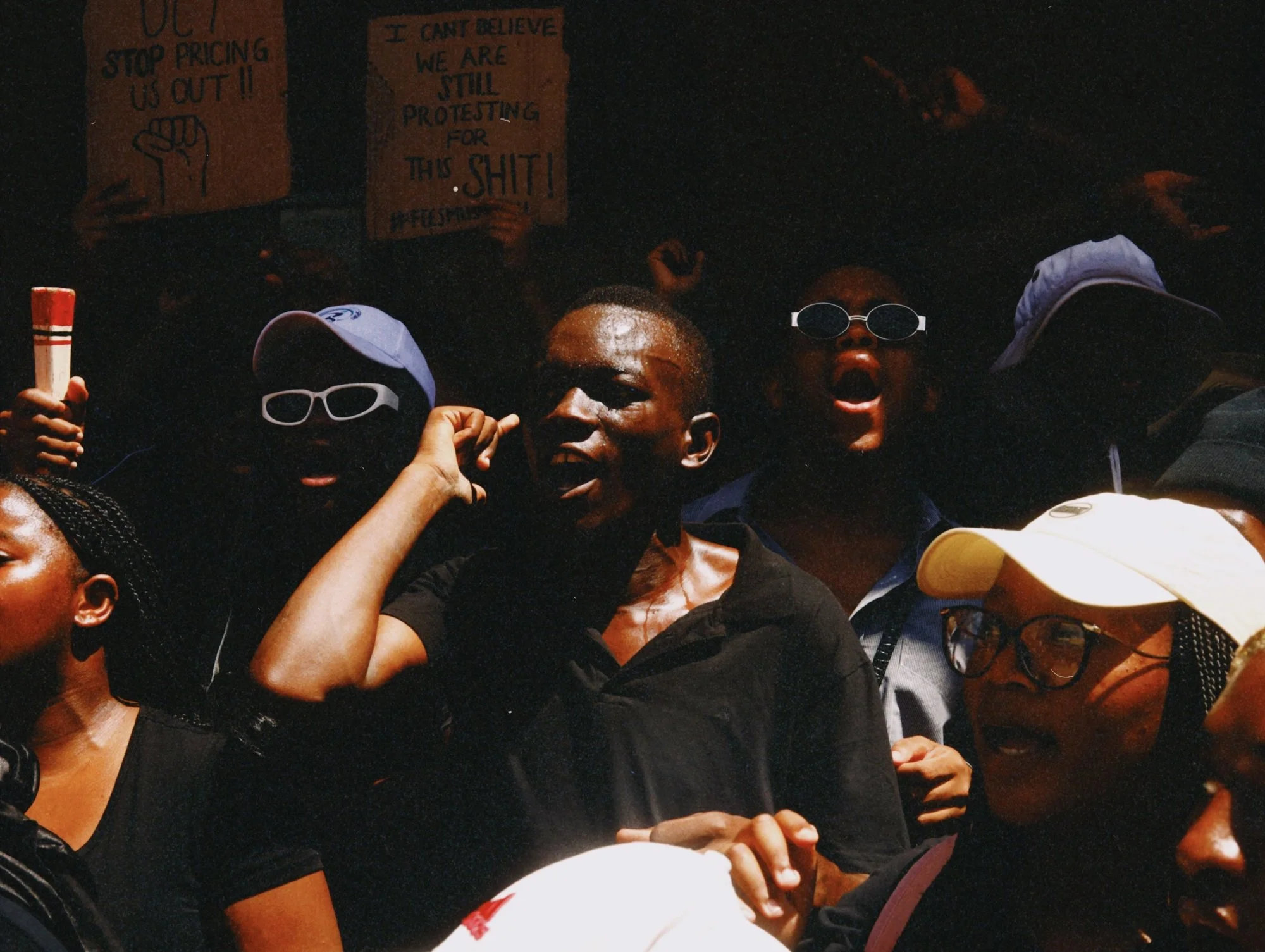
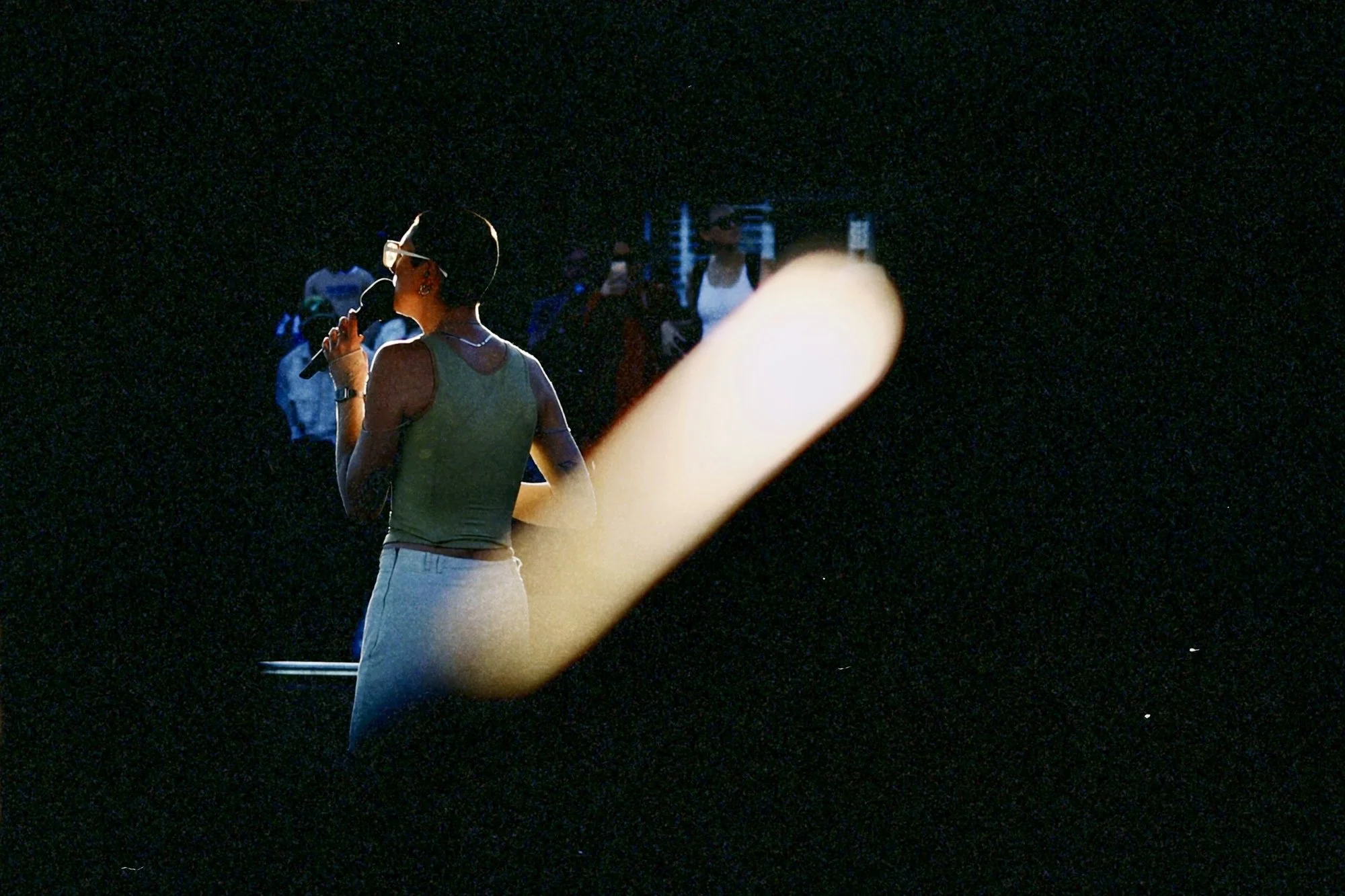
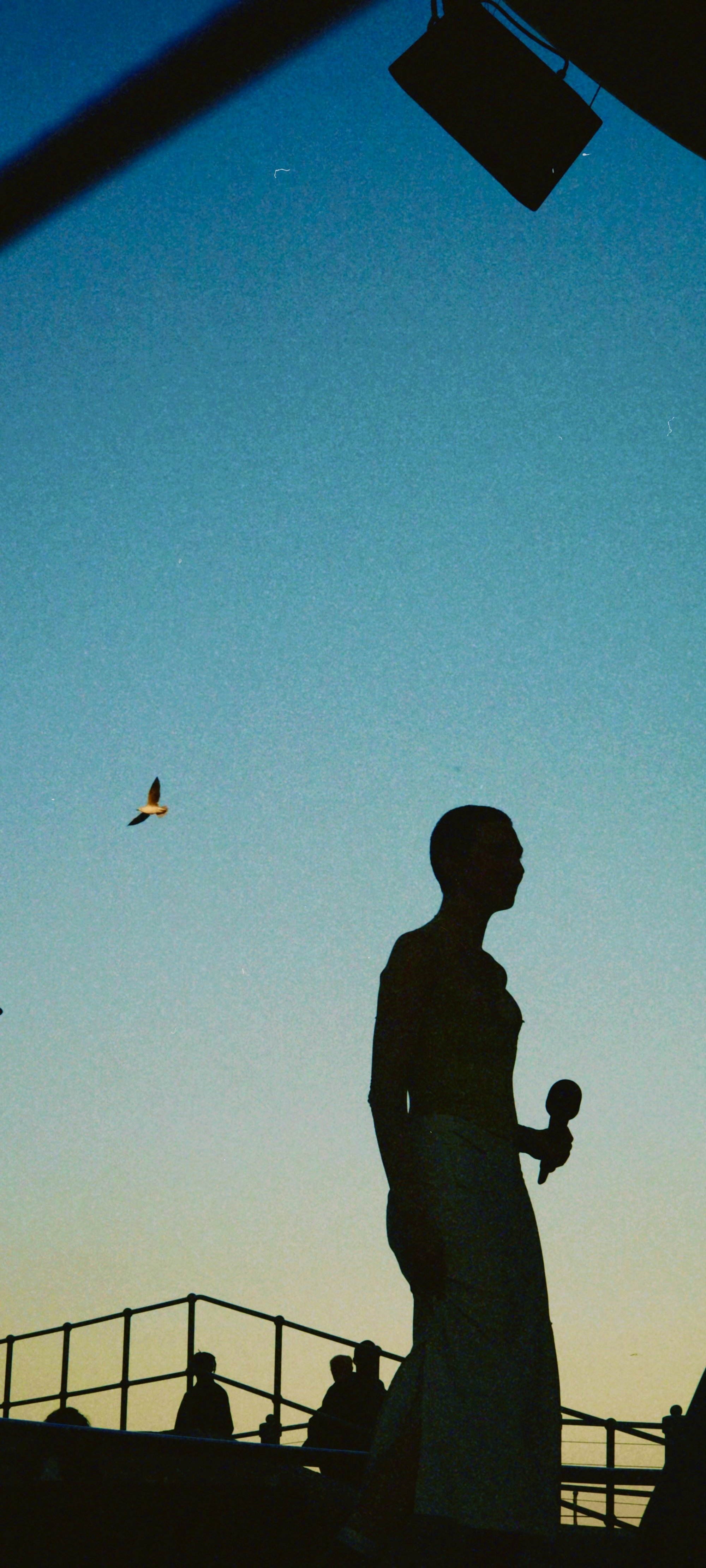
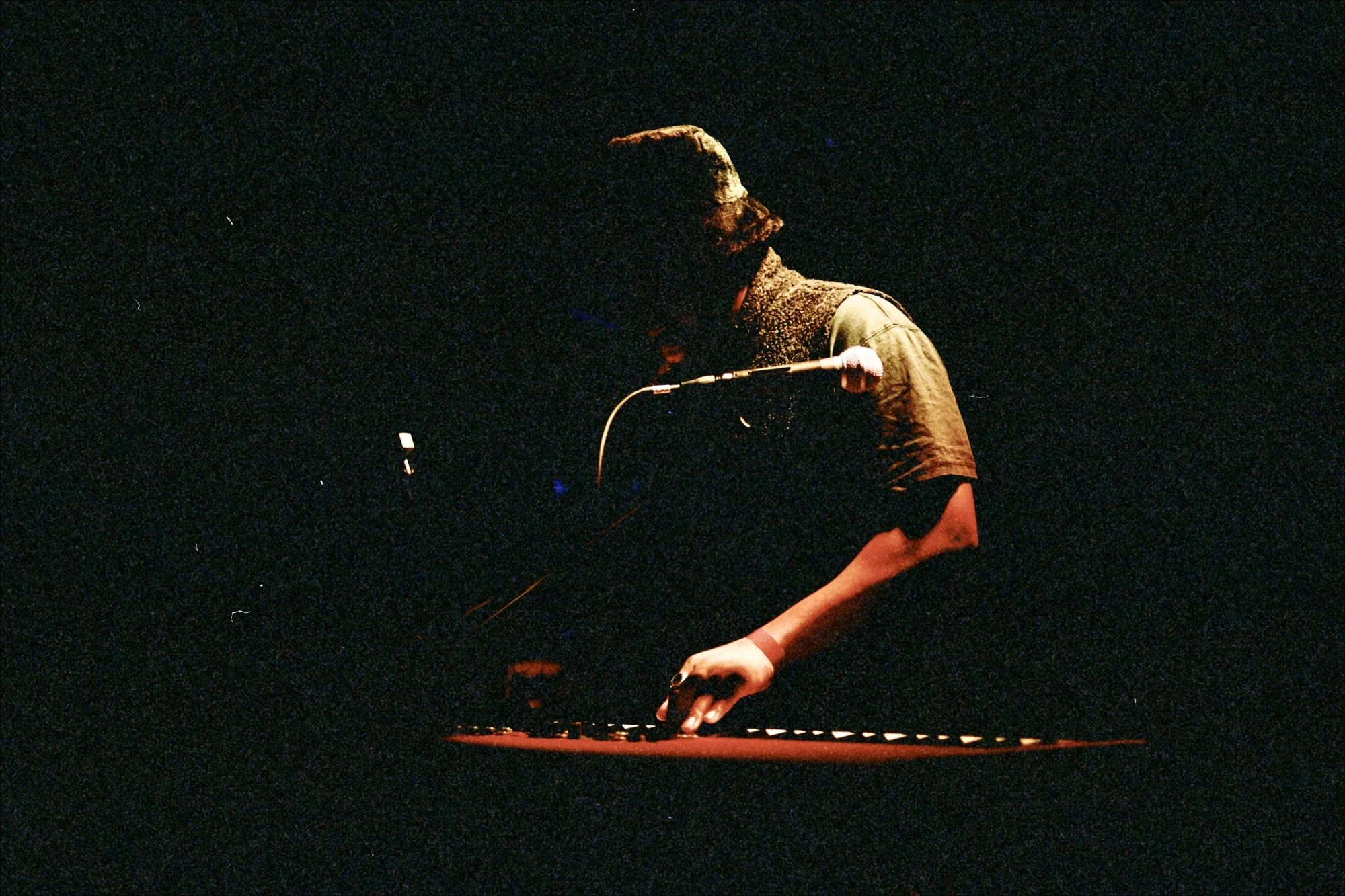
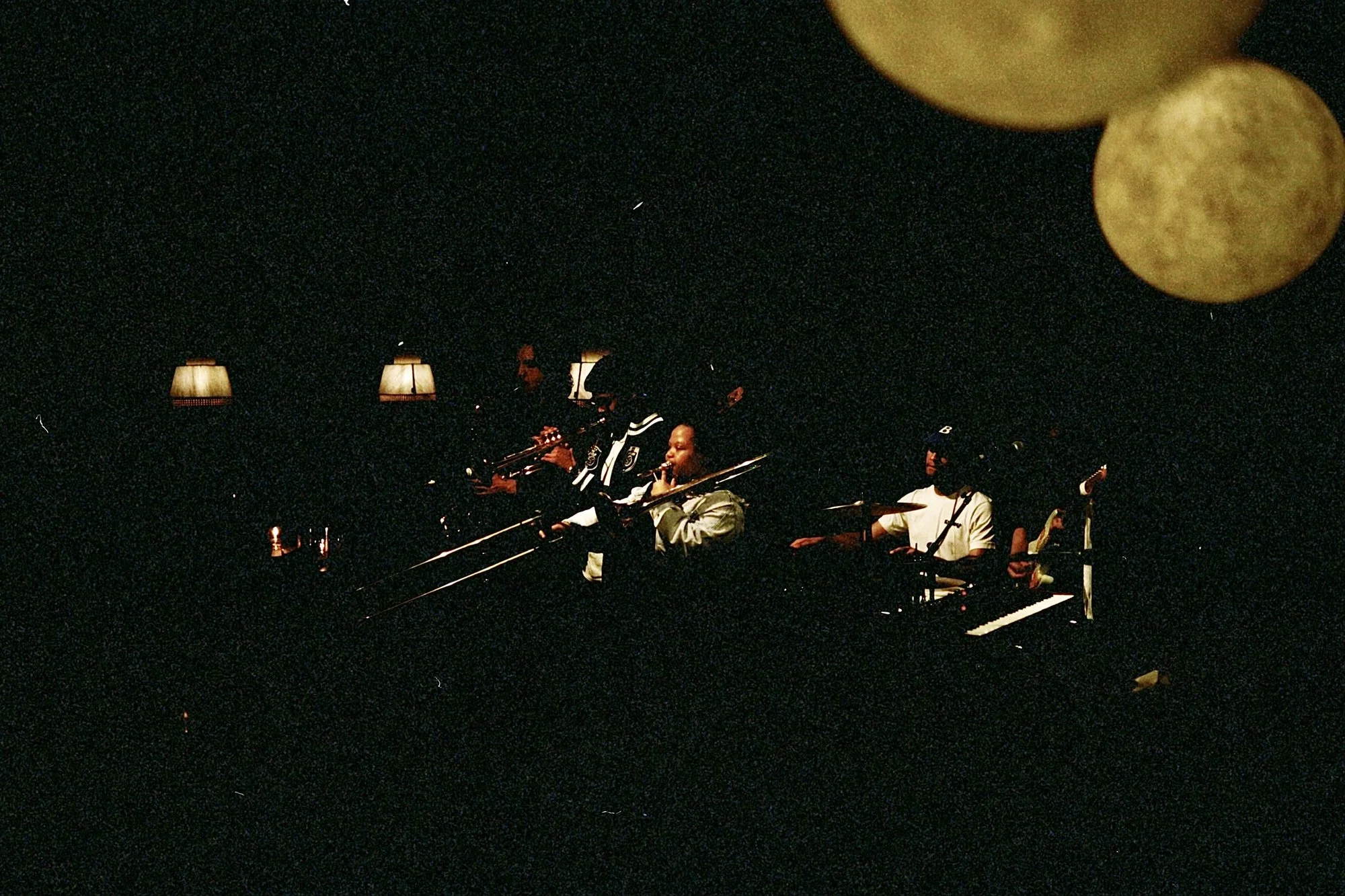
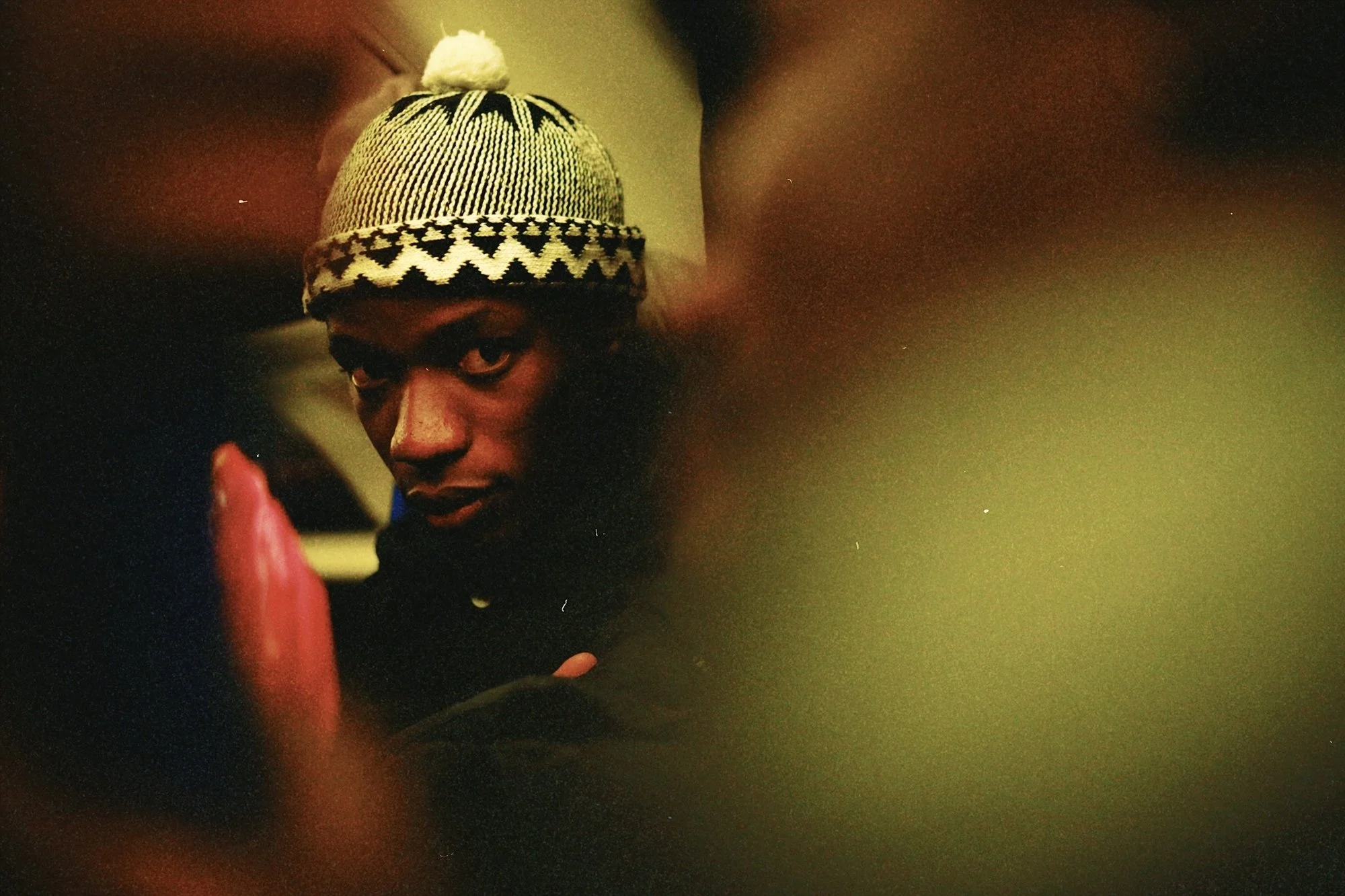
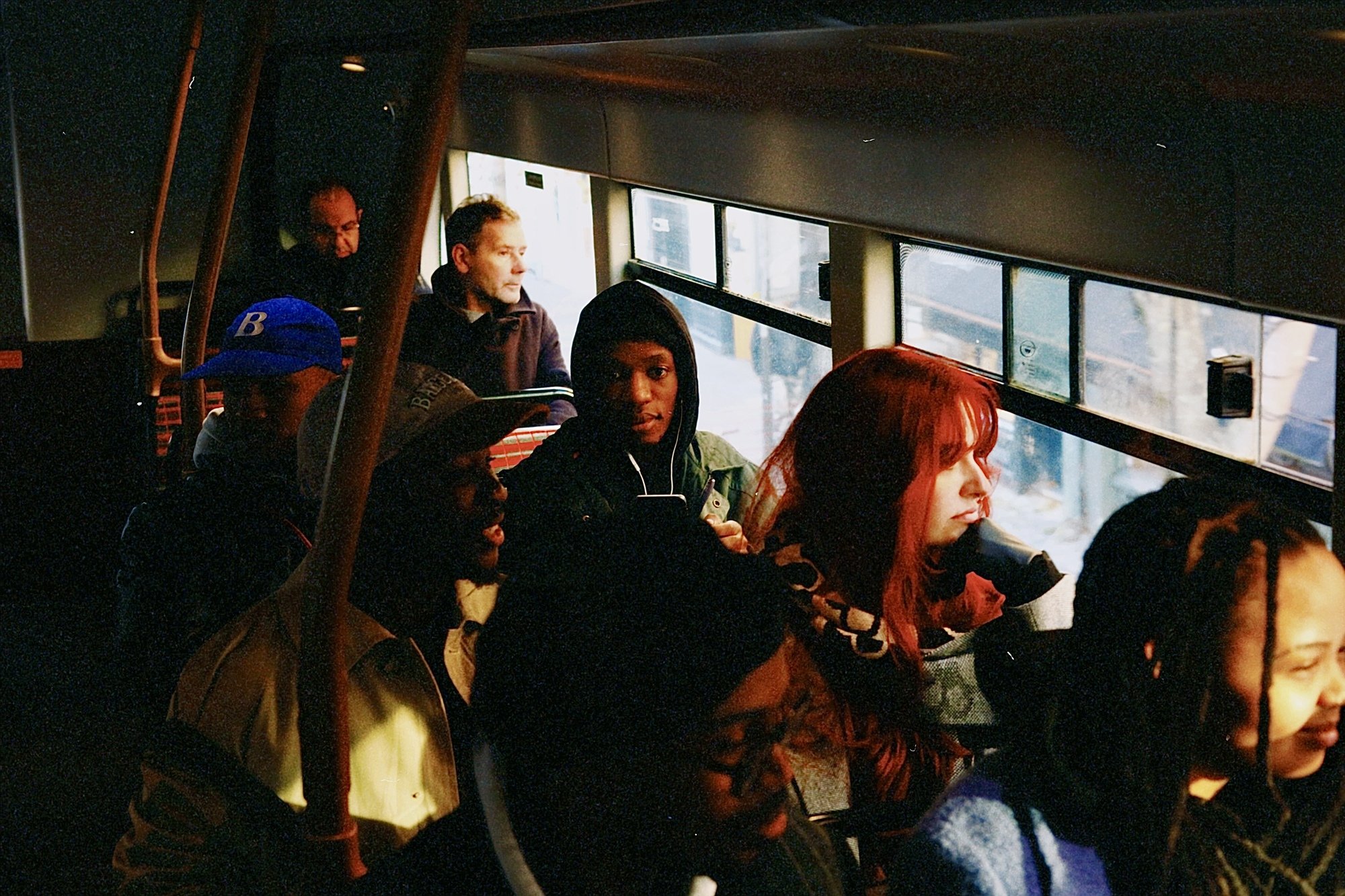
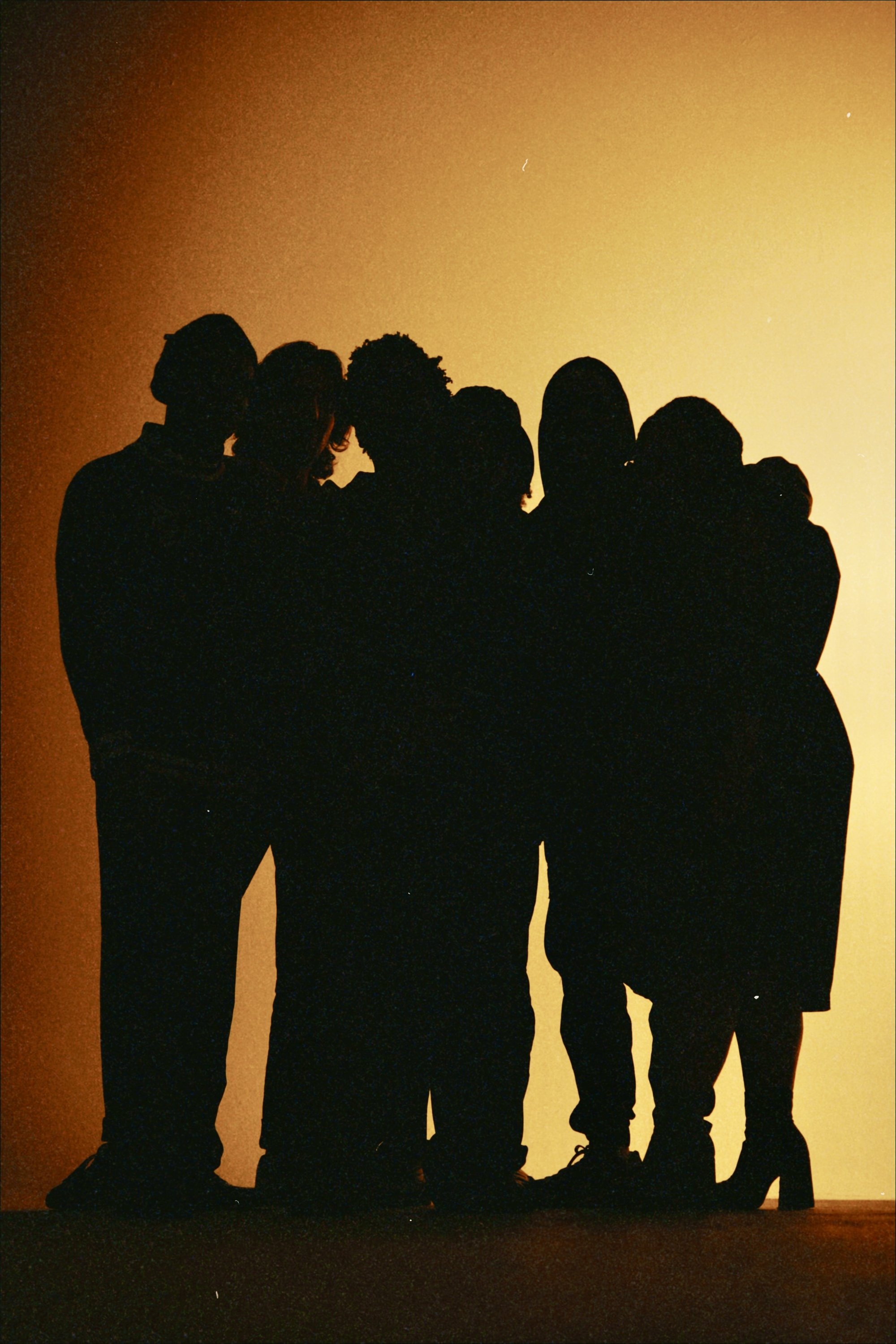
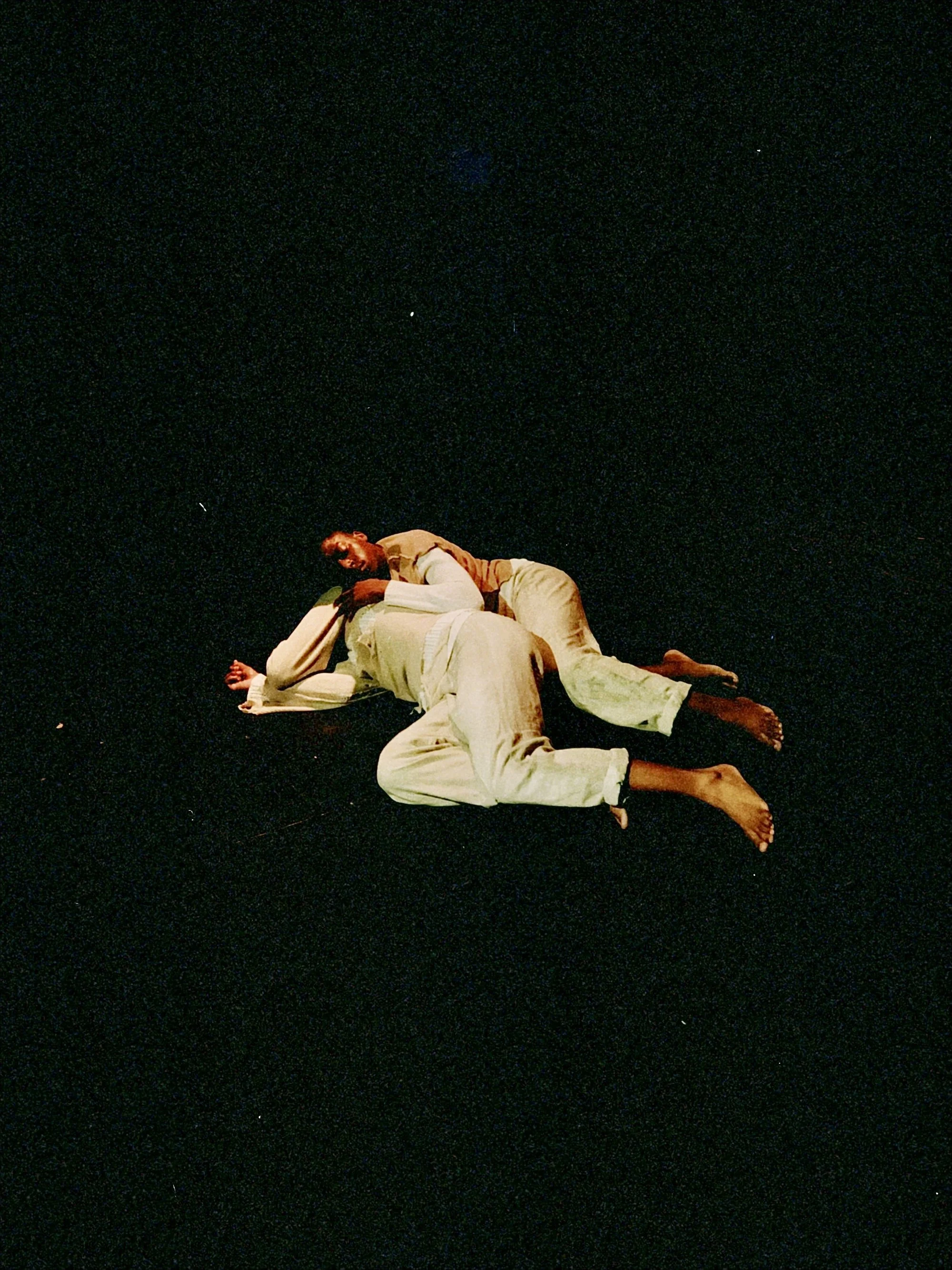
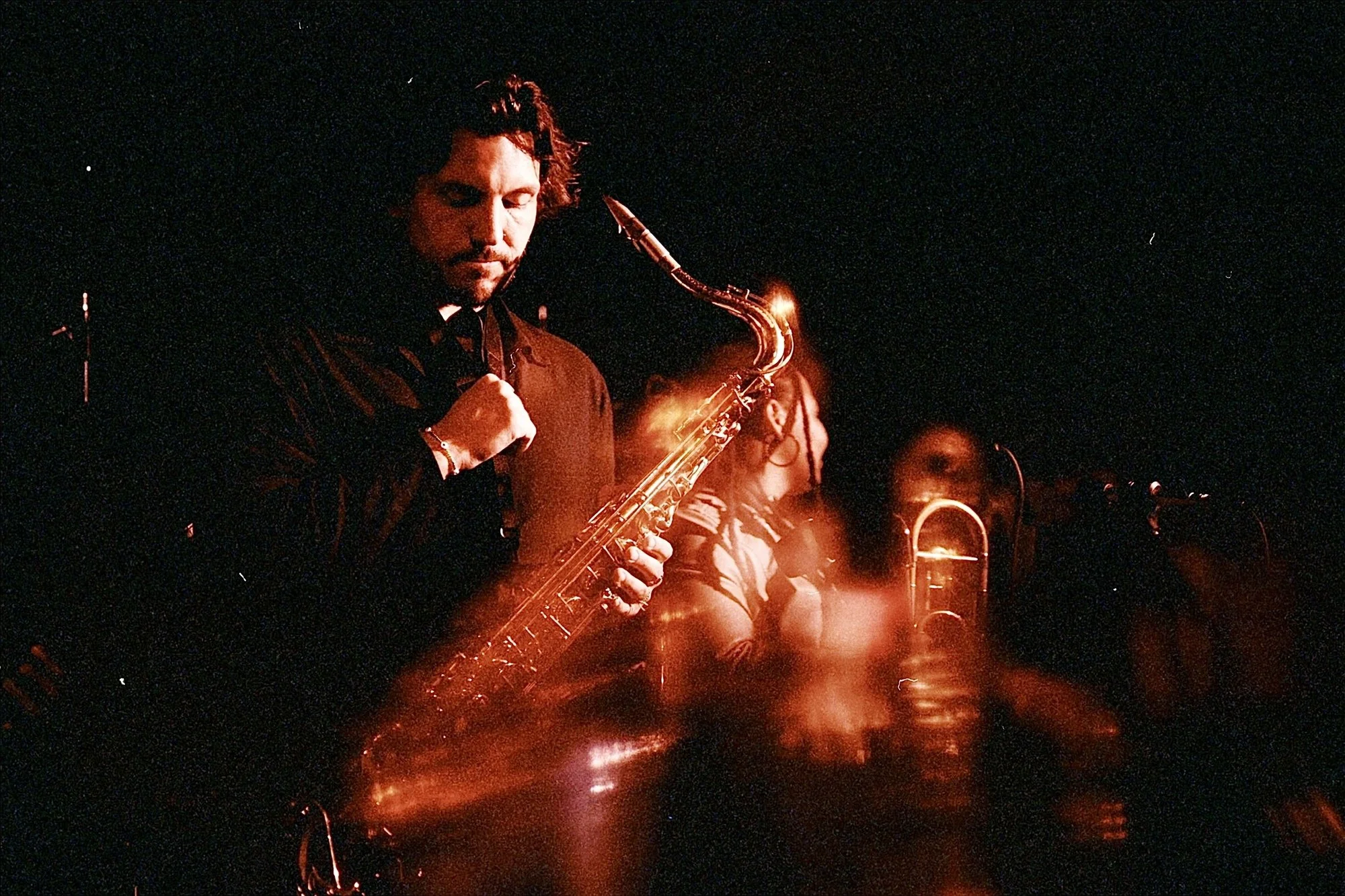
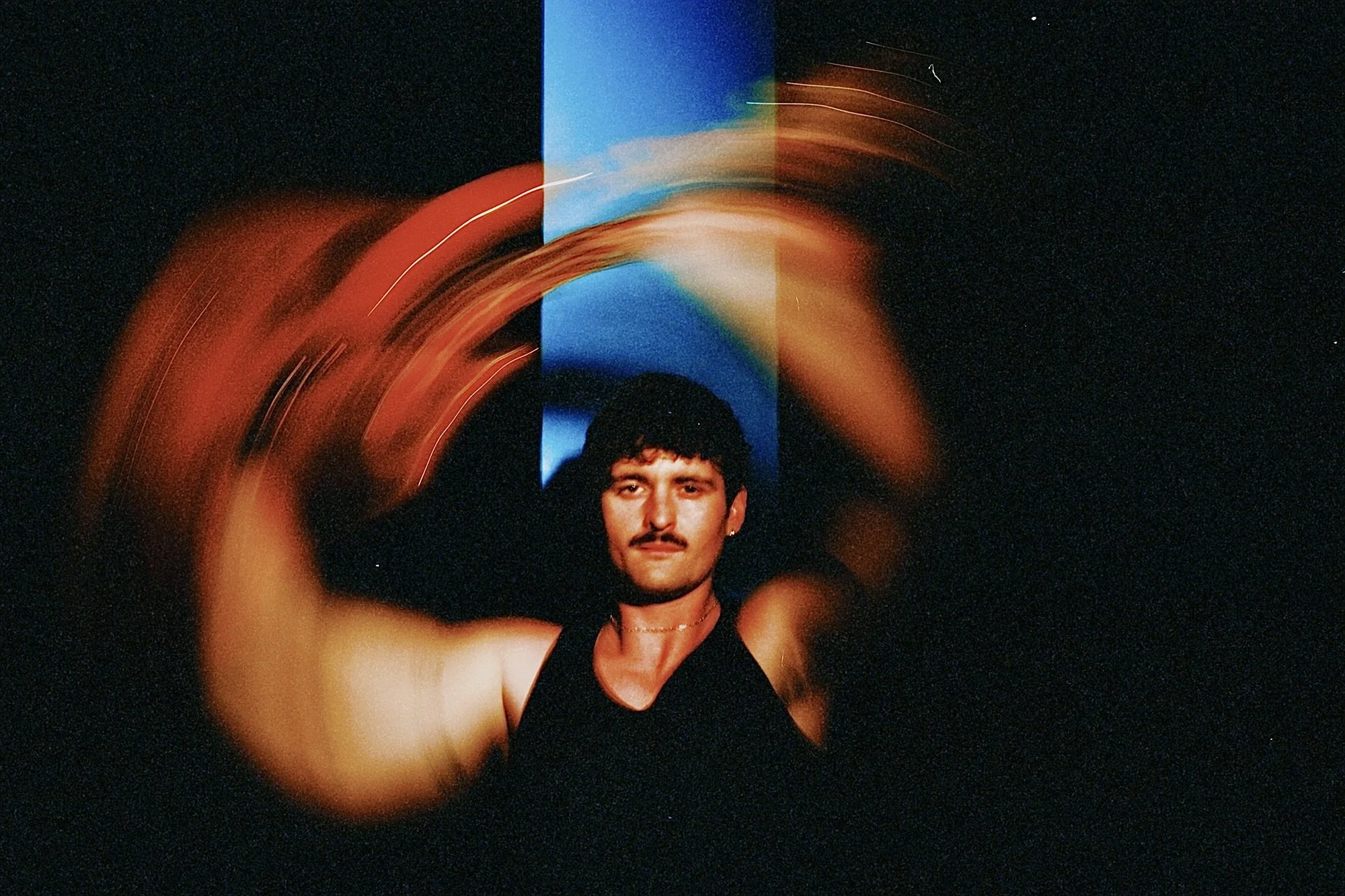
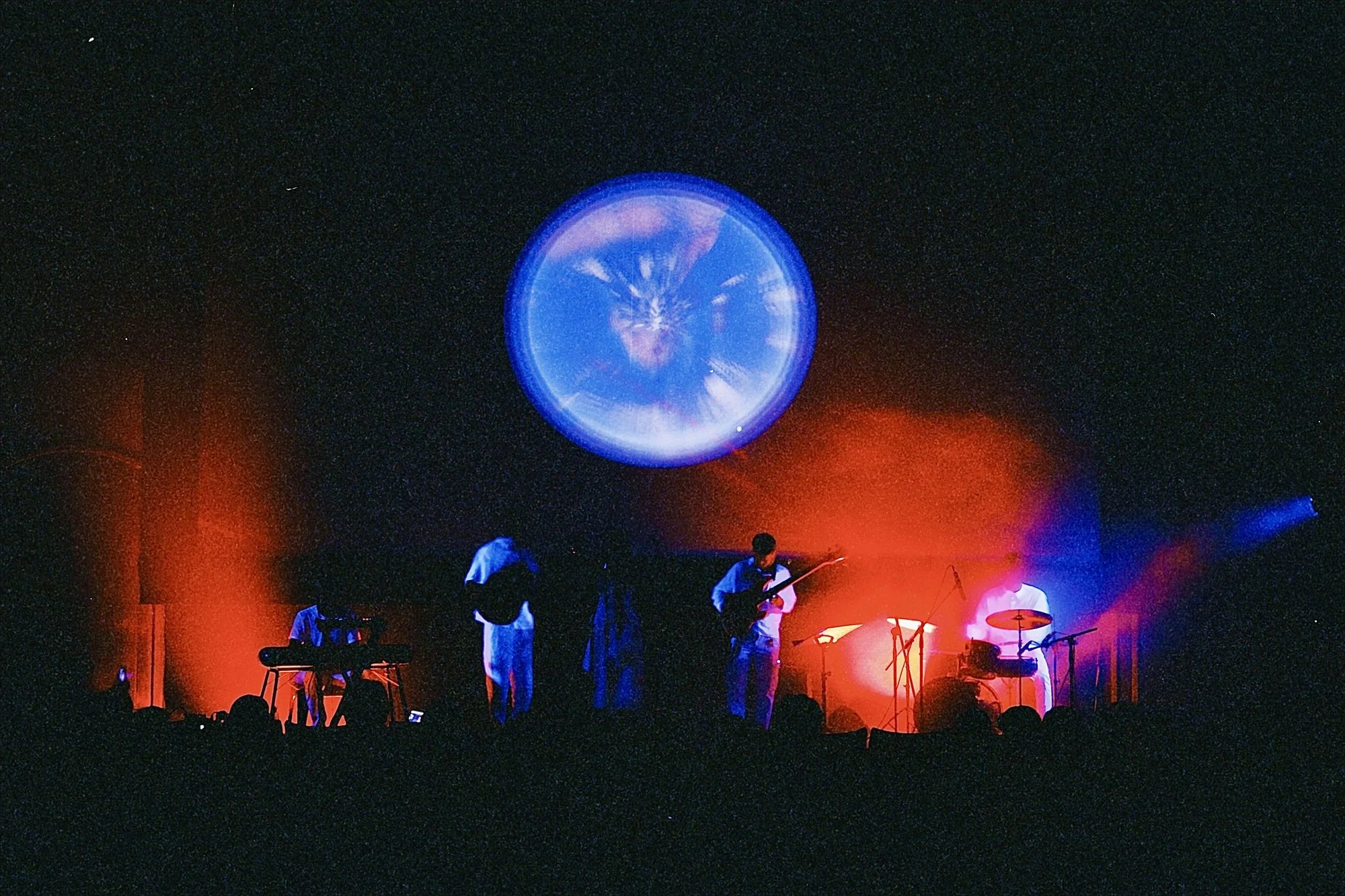
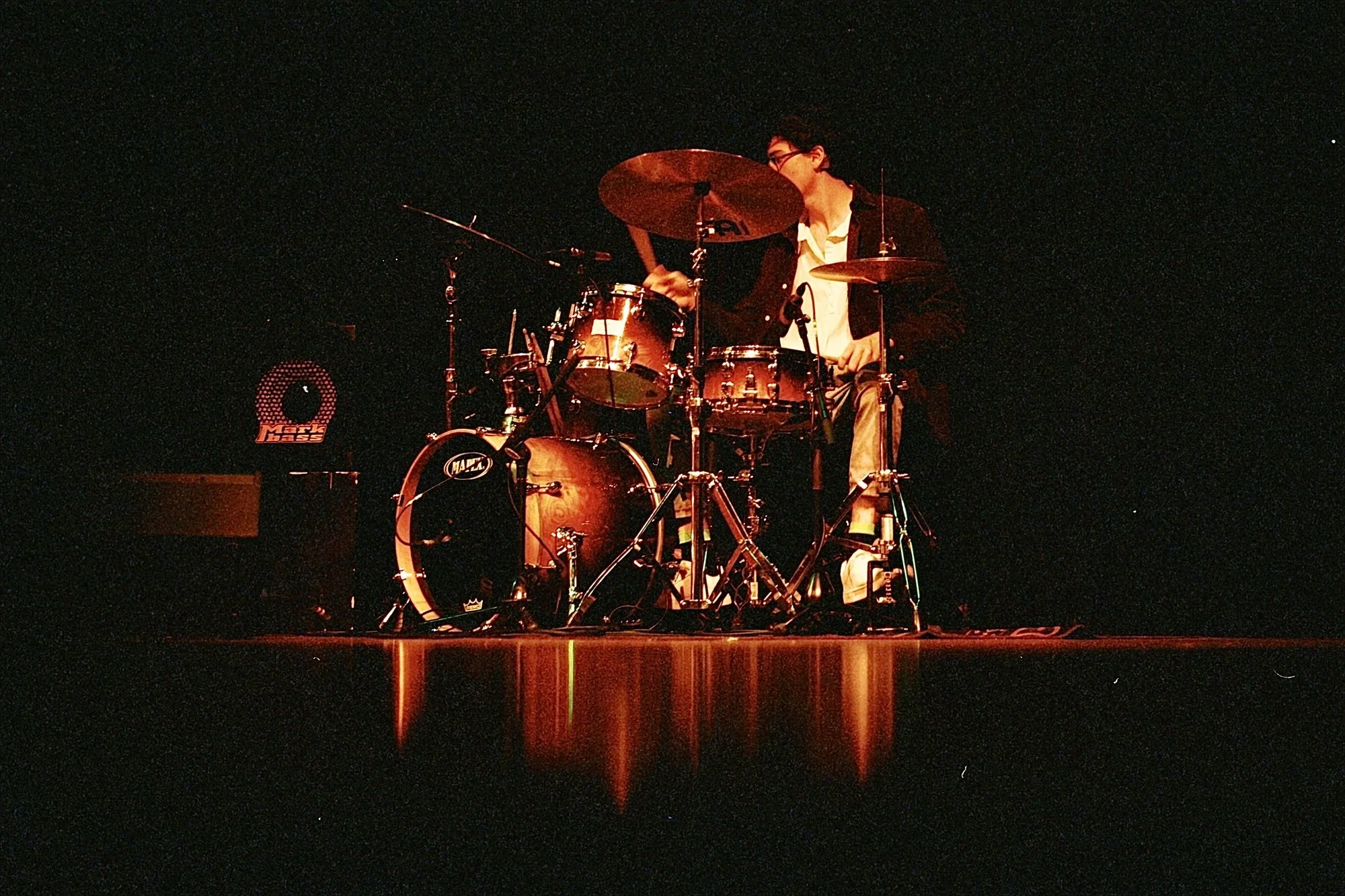
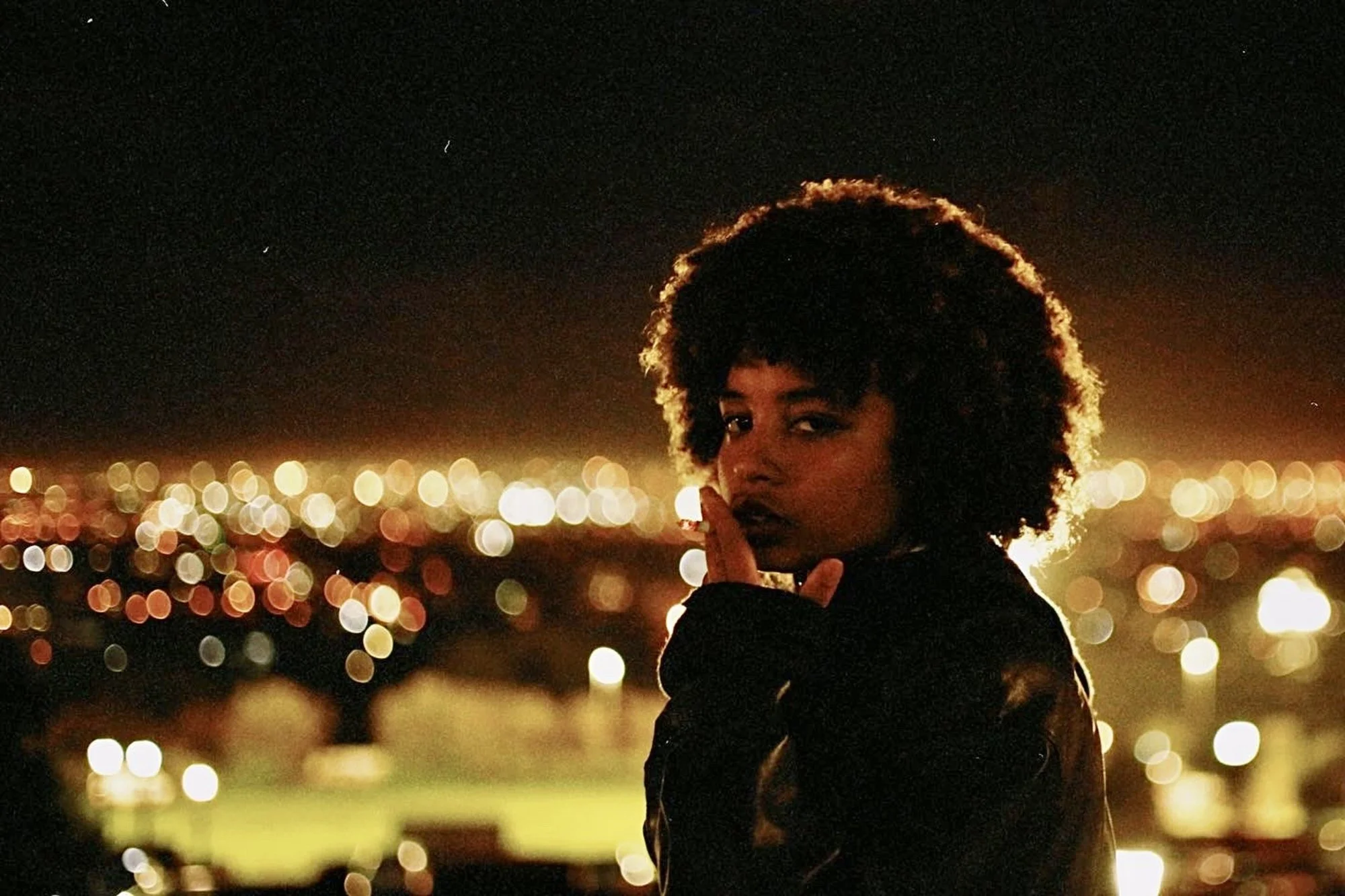
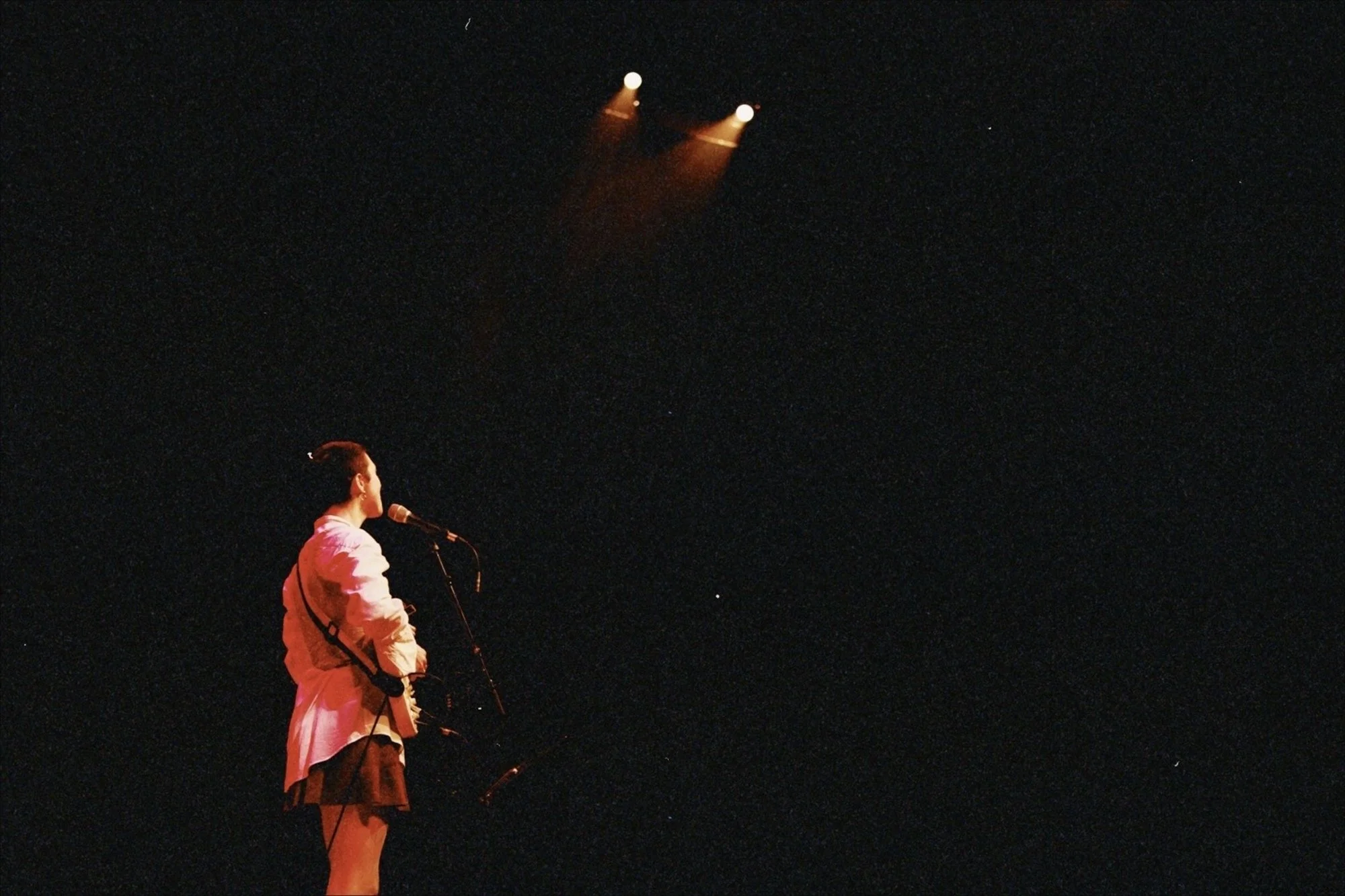
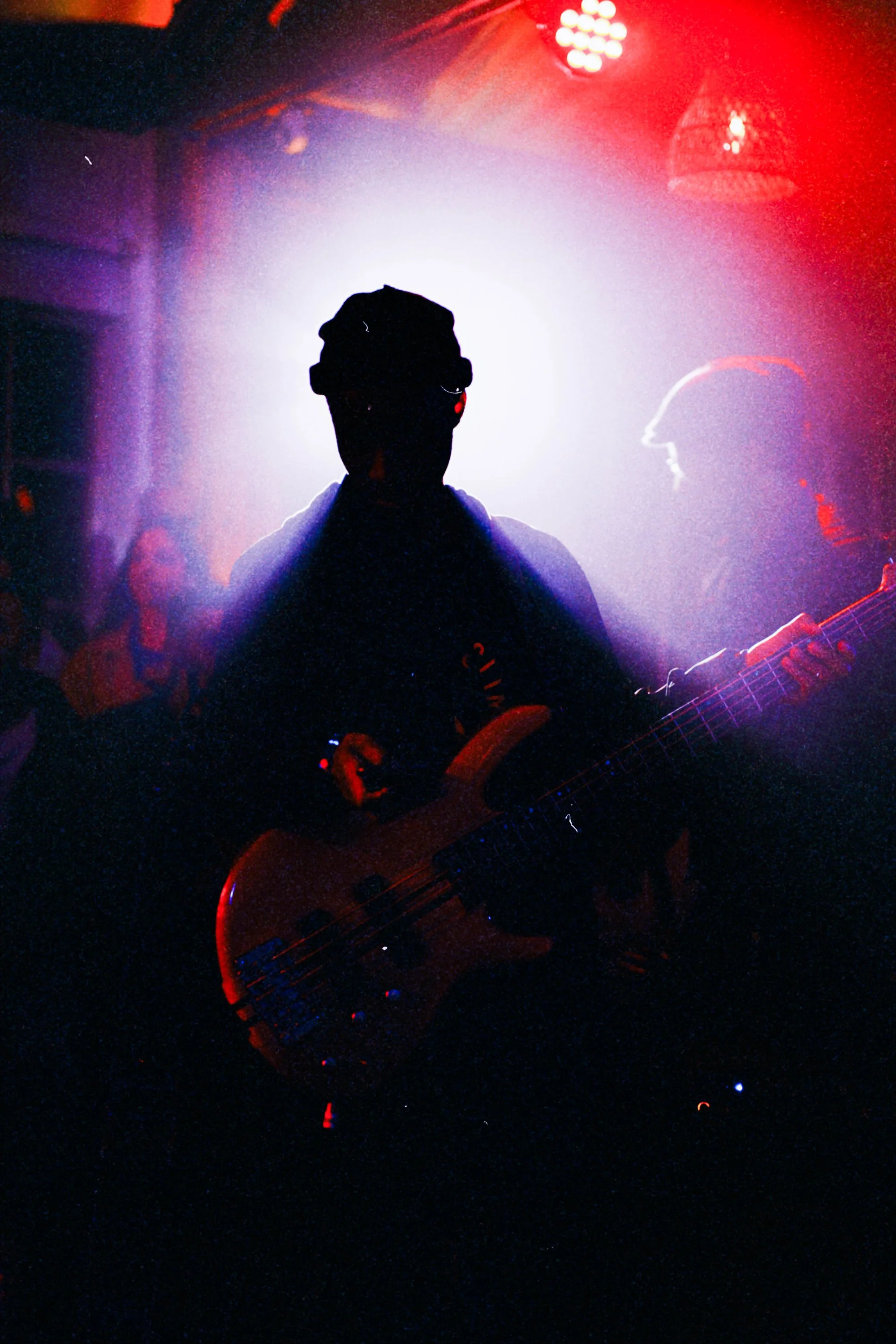
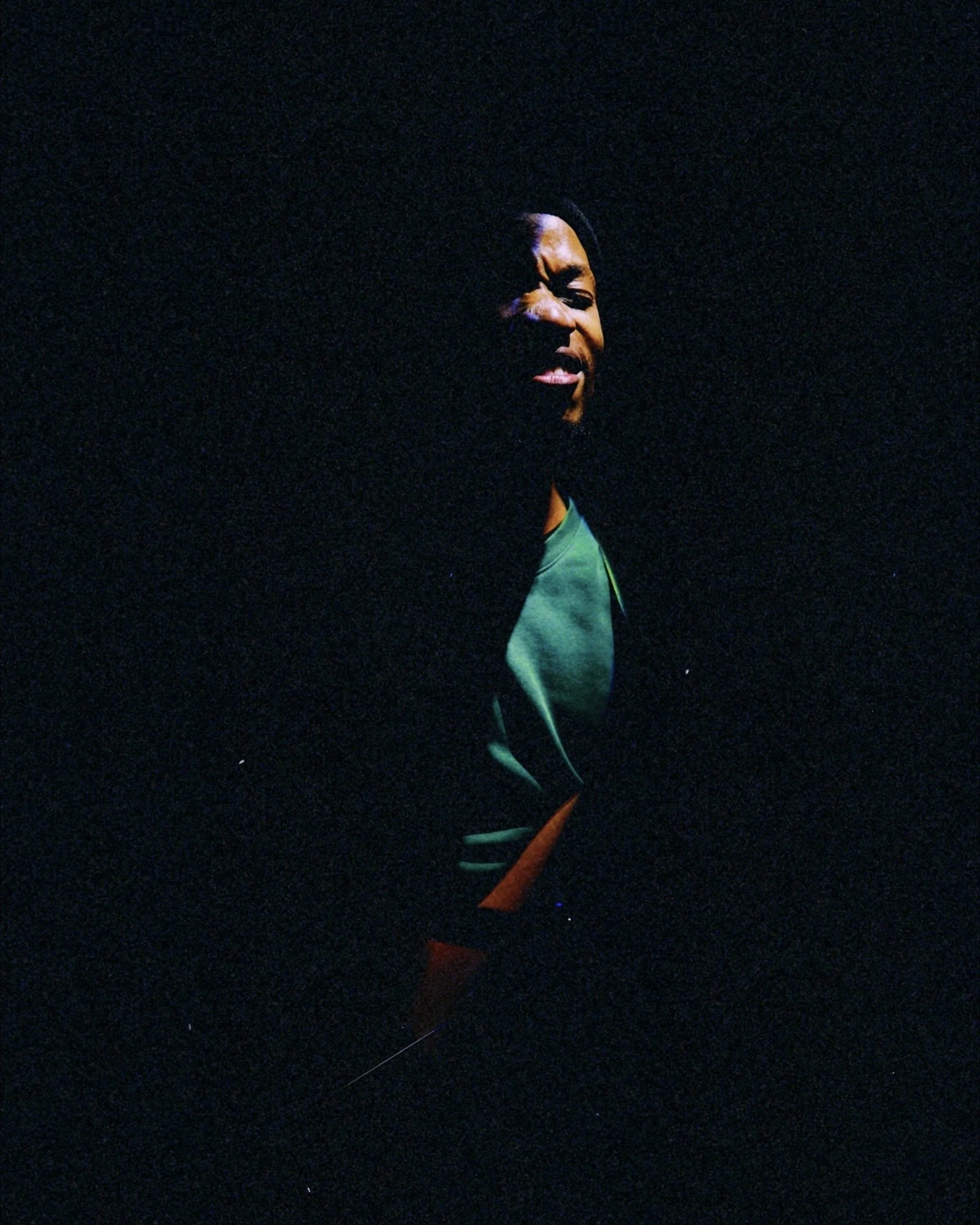
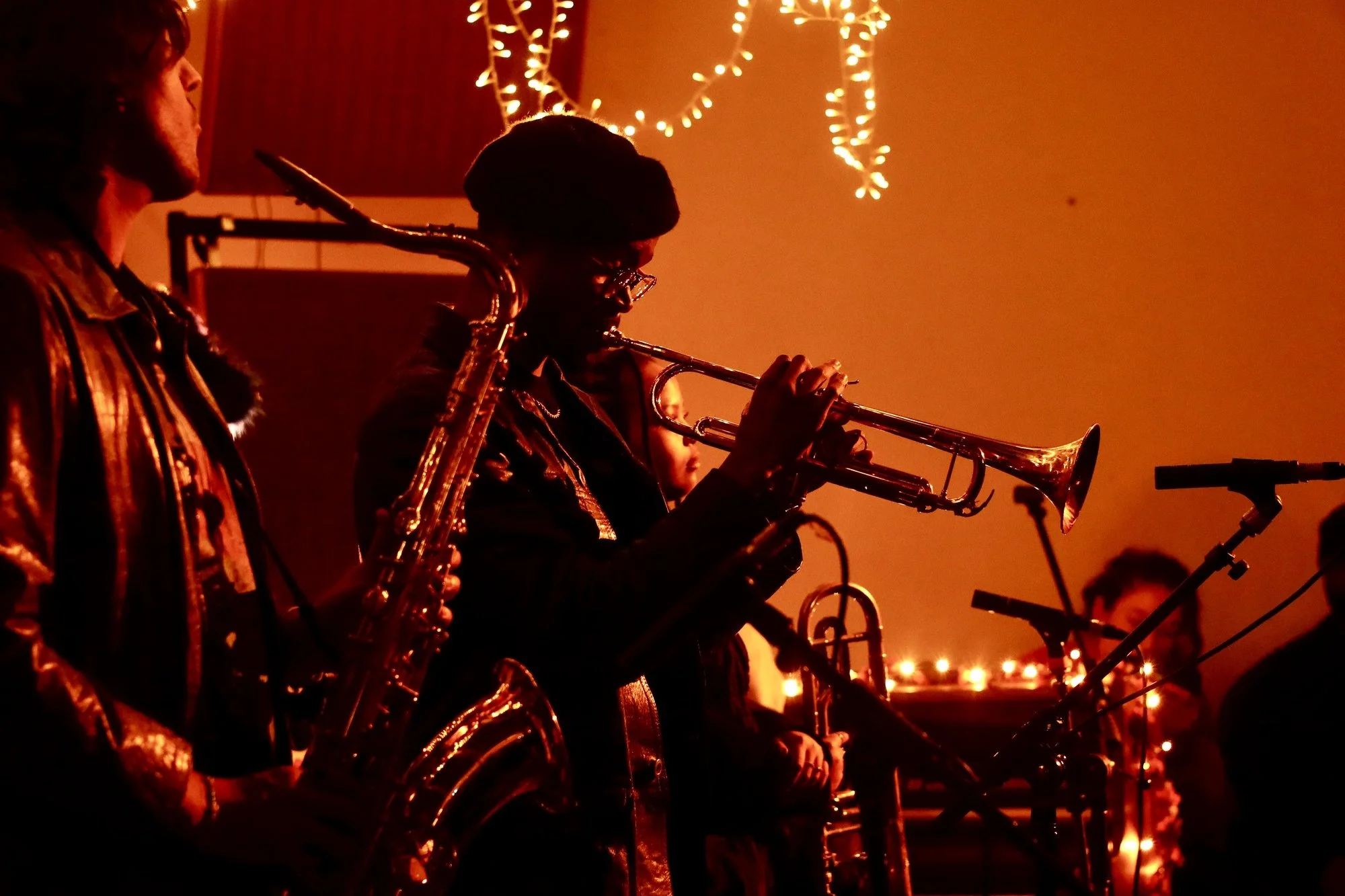
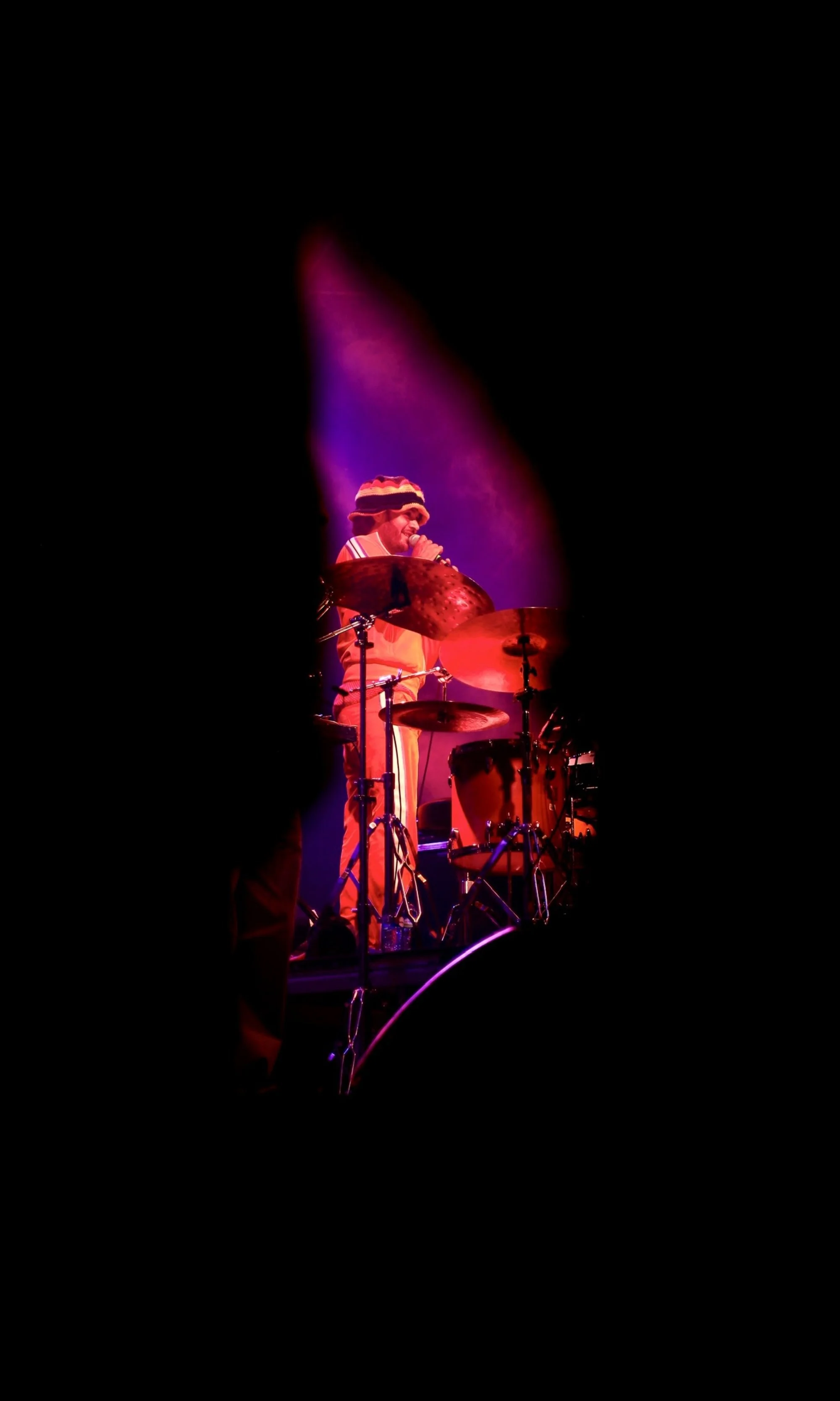
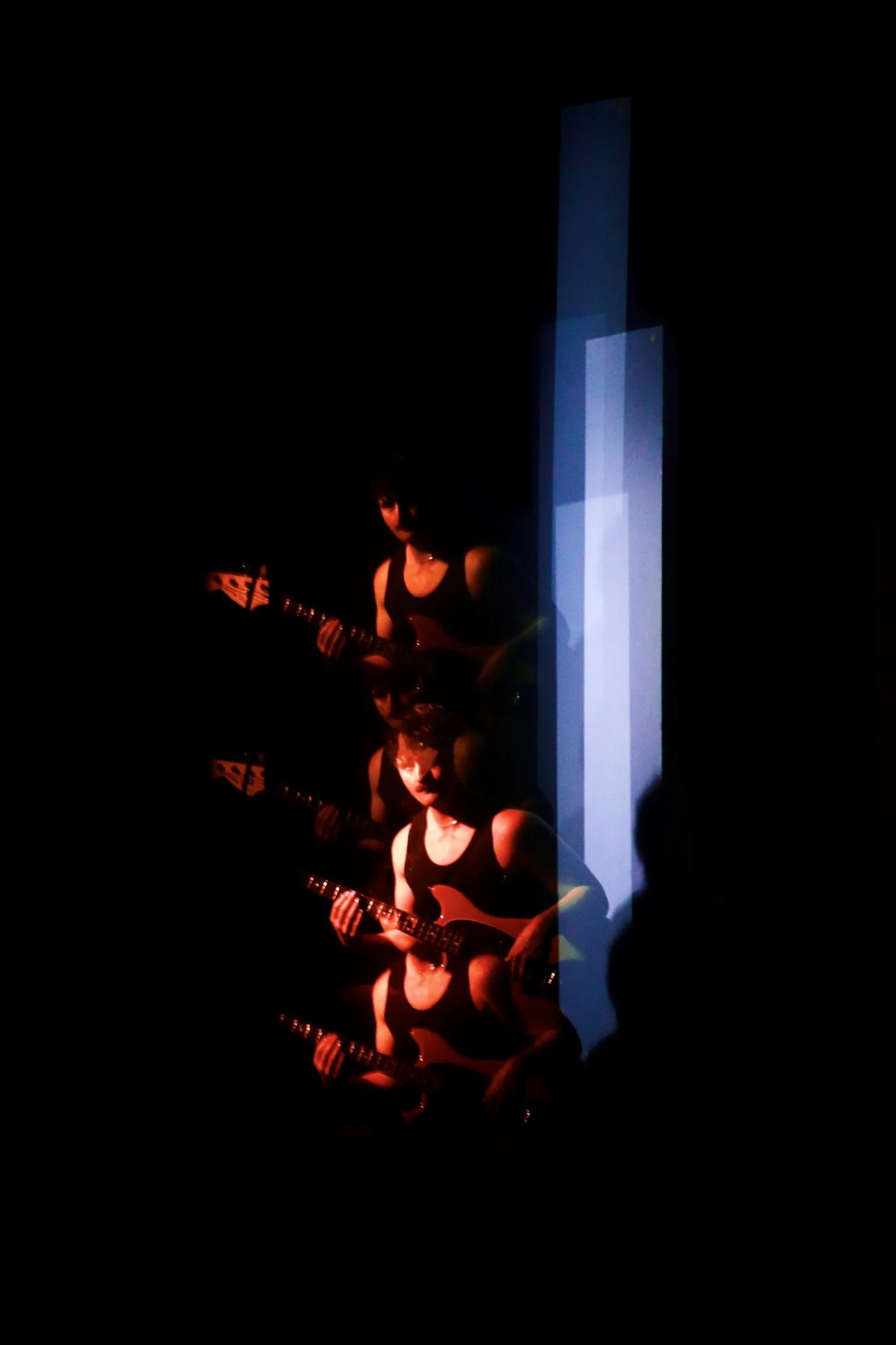
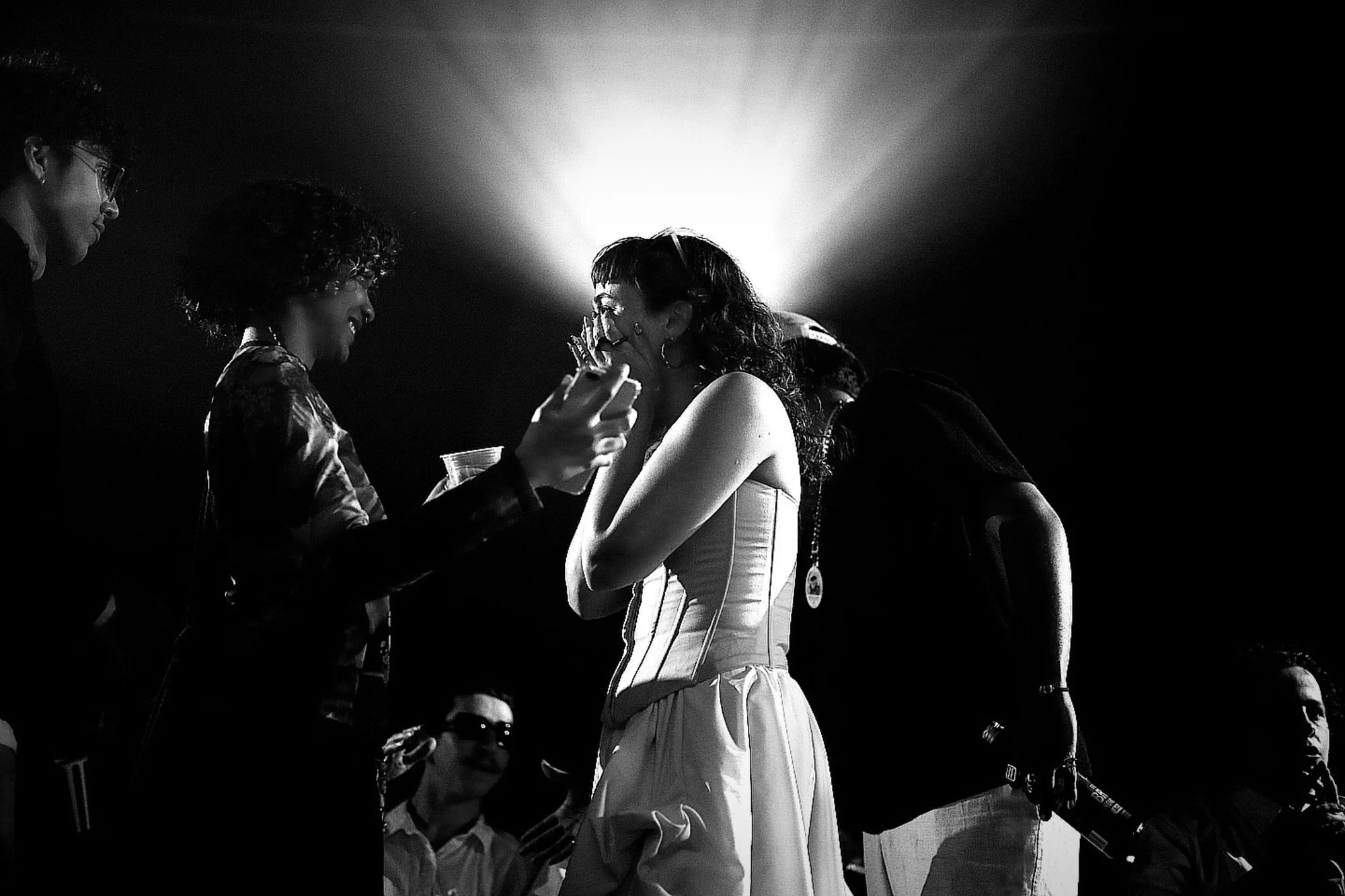
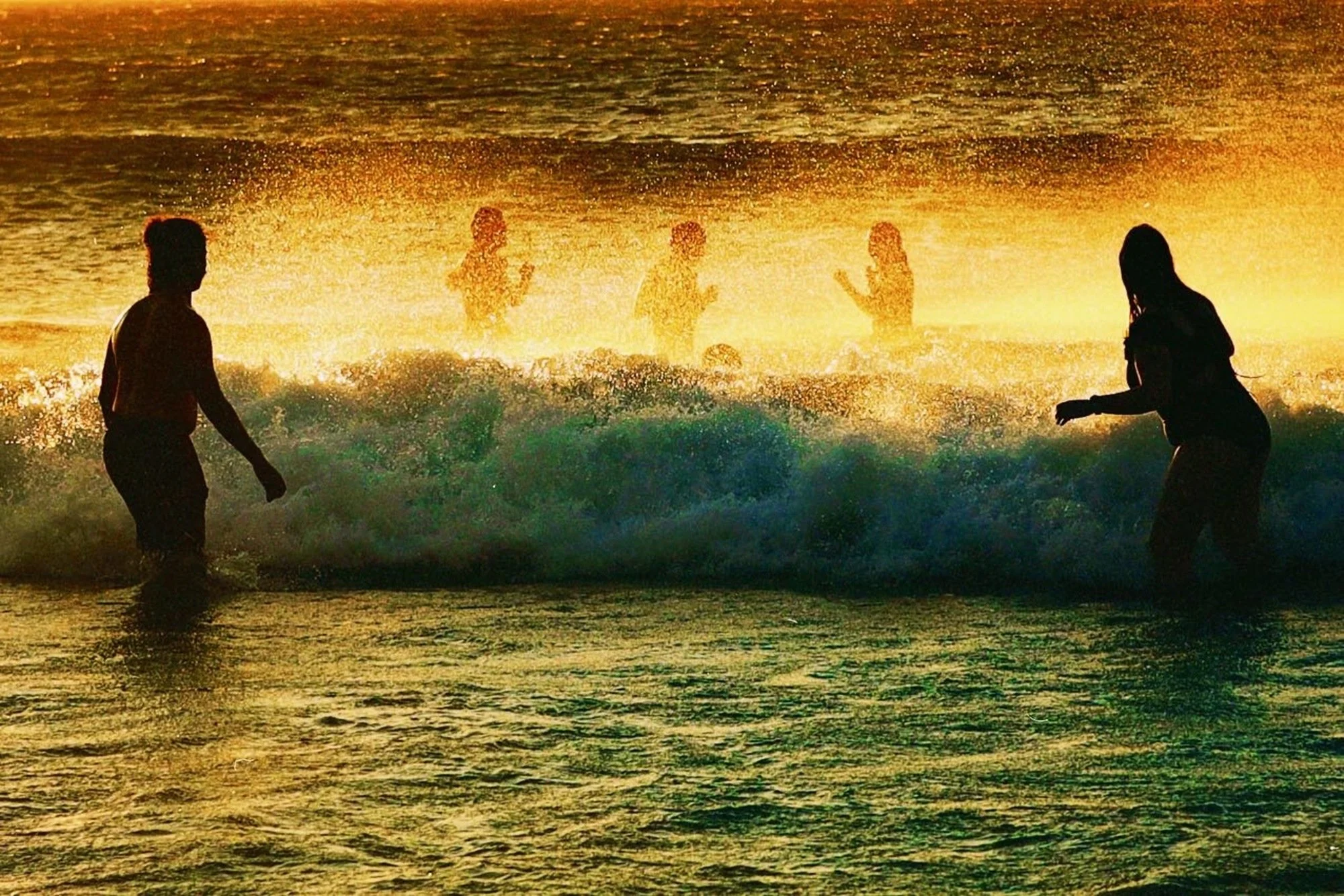
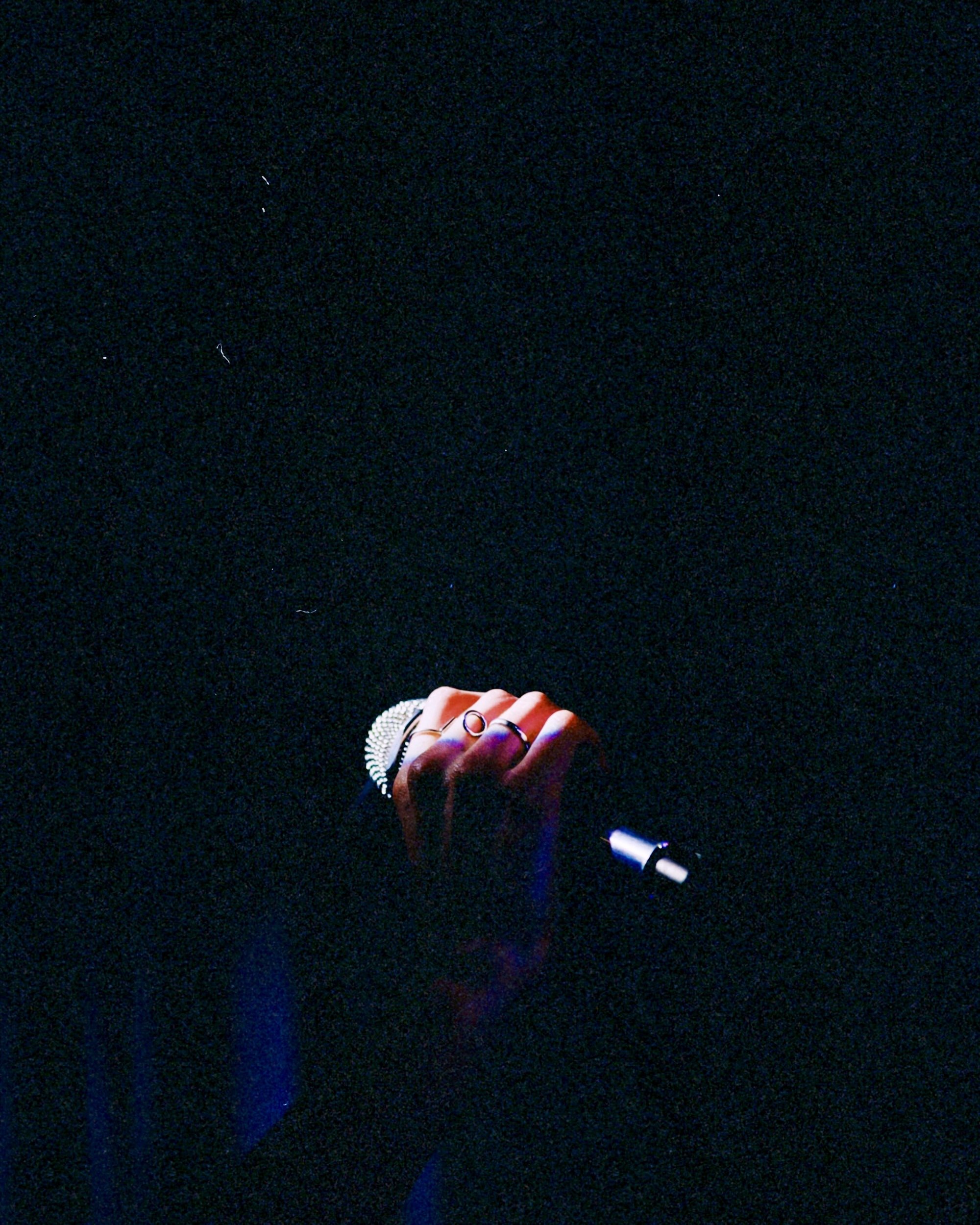
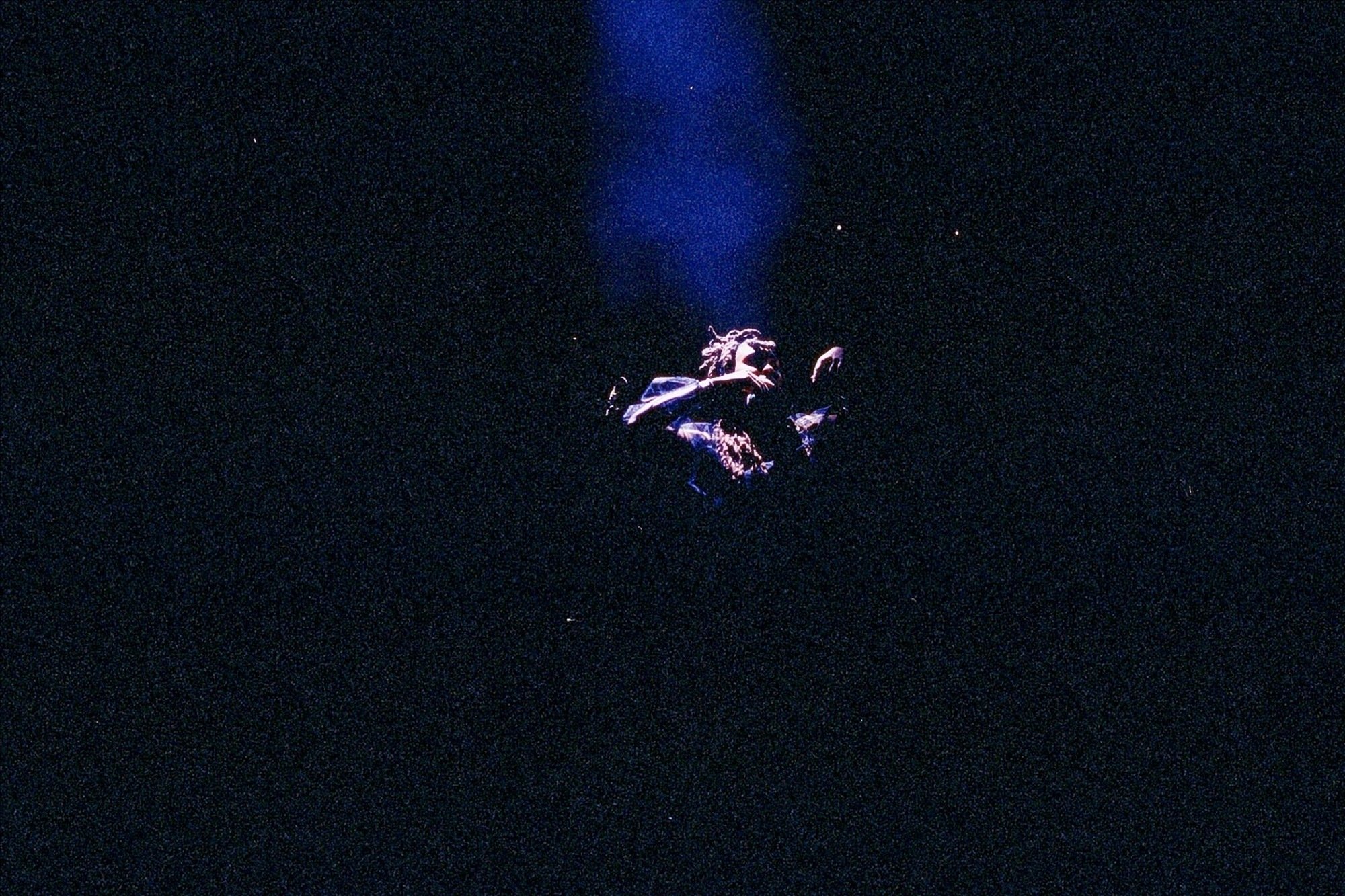
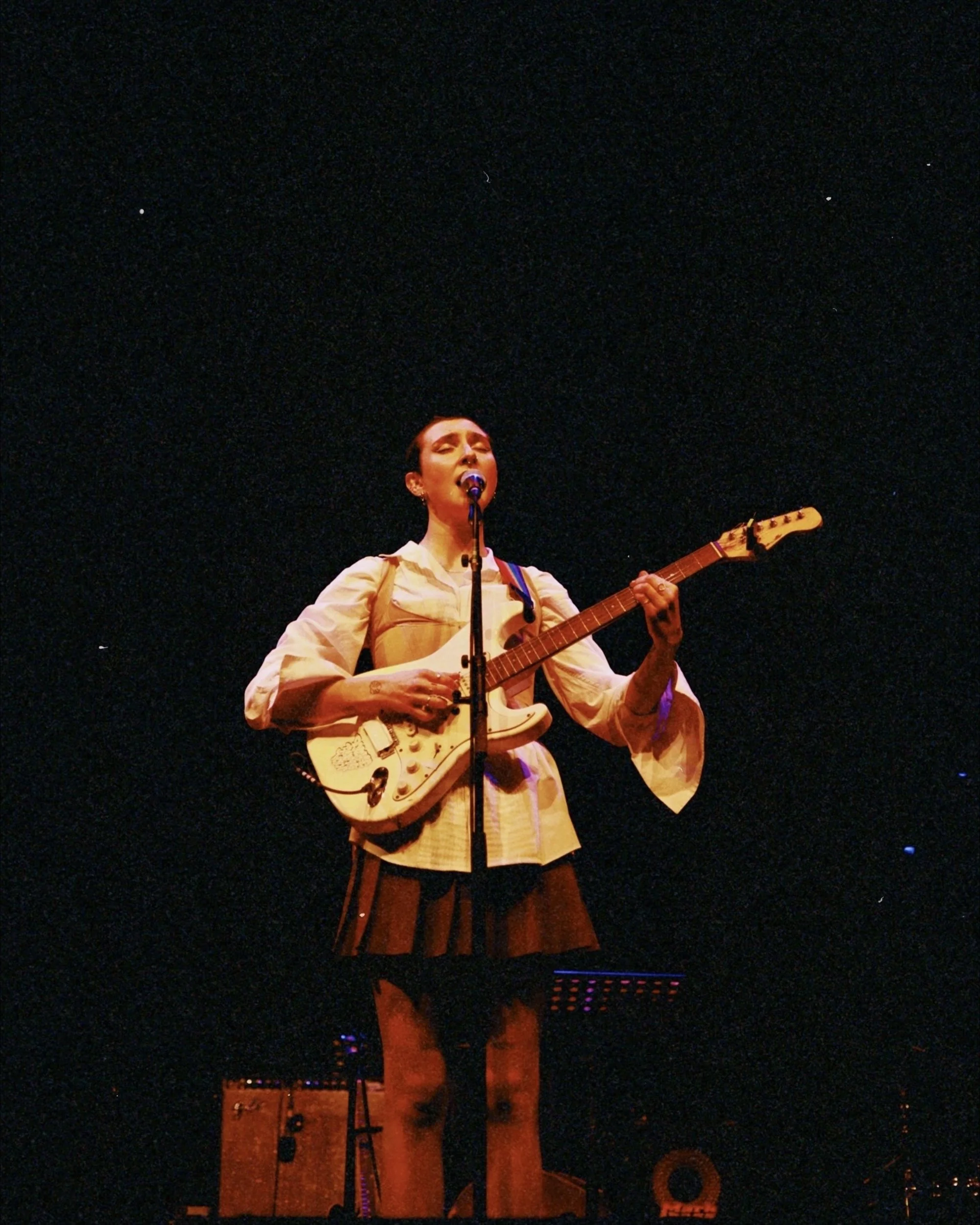
Jonathan Inglis is a 20-year-old photographer, born and raised in the woods of Pietermaritzburg. He is currently in his third year of a Bachelor of Arts degree at UCT, majoring in Screen Production and Film studies.
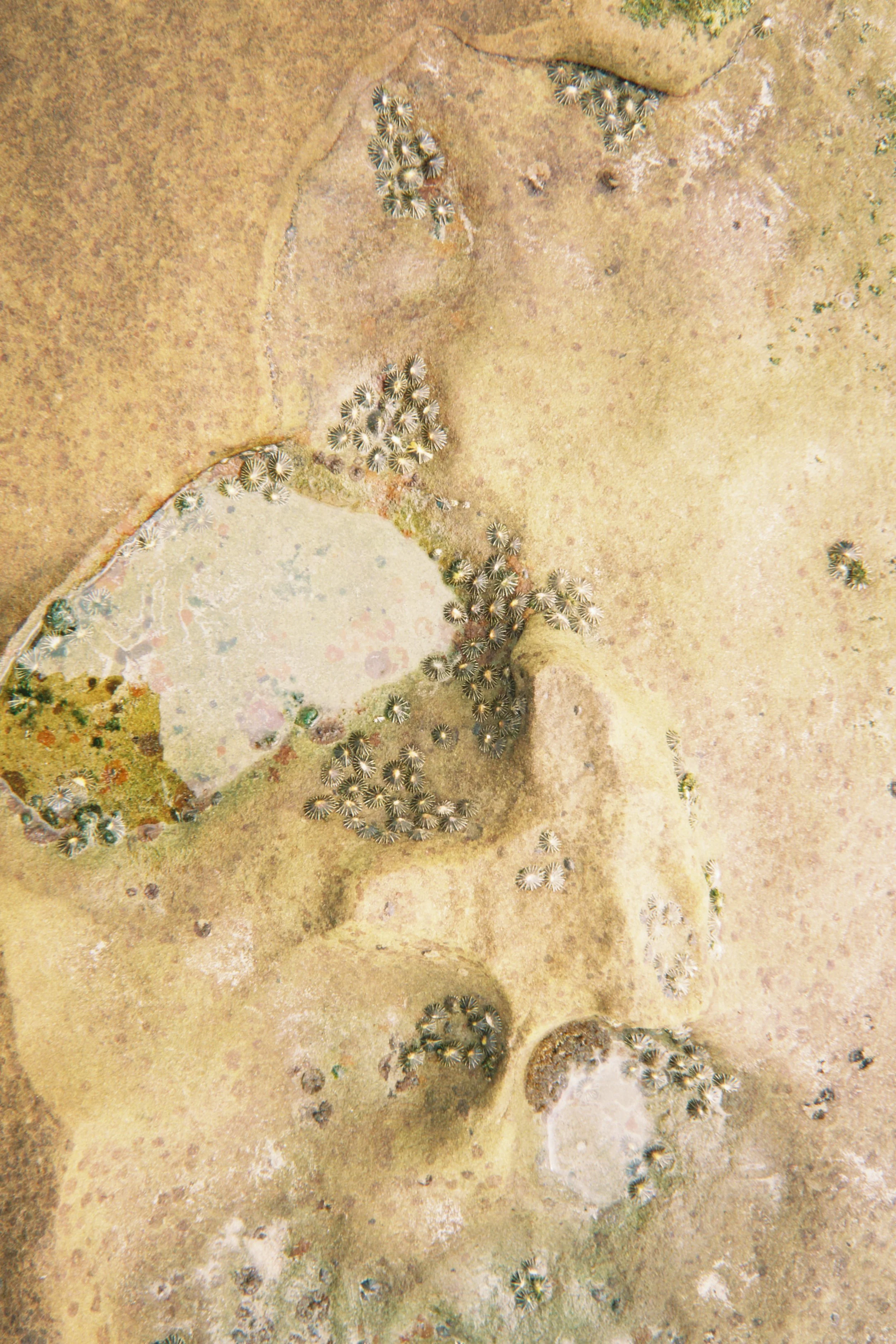
When he arrived in Cape Town in 2023 he didn’t know how to use a camera other than the one on his phone, until he got his hands on a Canon R and it’s single 50mm lens for the purposes of his film course. He began photographing his experiences which took him straight into the heart of the Cape Town jazz scene, where you’ll still find him jamming away. For a year now he has captured local artists, as well as his social and natural environment, and doesn’t show signs of stopping. Jojo is inspired by the potential that a photograph holds to capture not just what is seen, but also what is felt. This has contributed to the emotional depth found in his photographs, no matter what space he is in.
Kayo-Fay Tilley
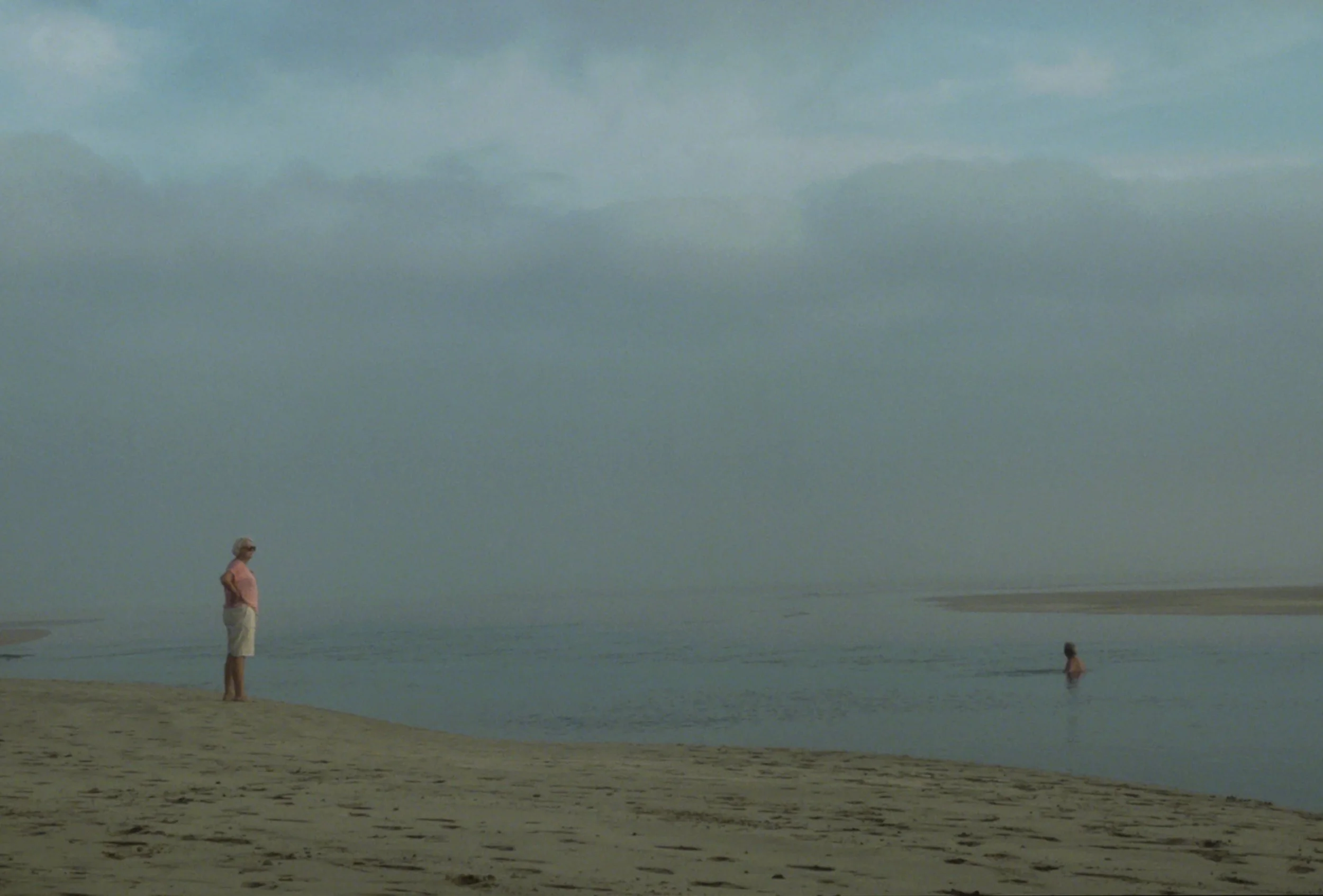
Kayo-Fay (b. 1995, Cape Town) is a contemporary artist currently based out of Cape Town, South Africa. Her work embodies the subconscious and conscious parts of herself, creating a culmination of ideas. She takes what she perceives from the environment around her and her inner world and turns it into a tangible piece of artwork. Her art explores a spectrum of themes encompassing love, loss, pain, and pleasure. Engaging with shadows, she endeavors to grasp the essence of light, extending an invitation for others to do the same. Her work is guided by the deep understanding that all things have an eventual end. Her work serves as a gentle reminder to relish in the fleeting moments during our brief time here.
THERO MAKEPE
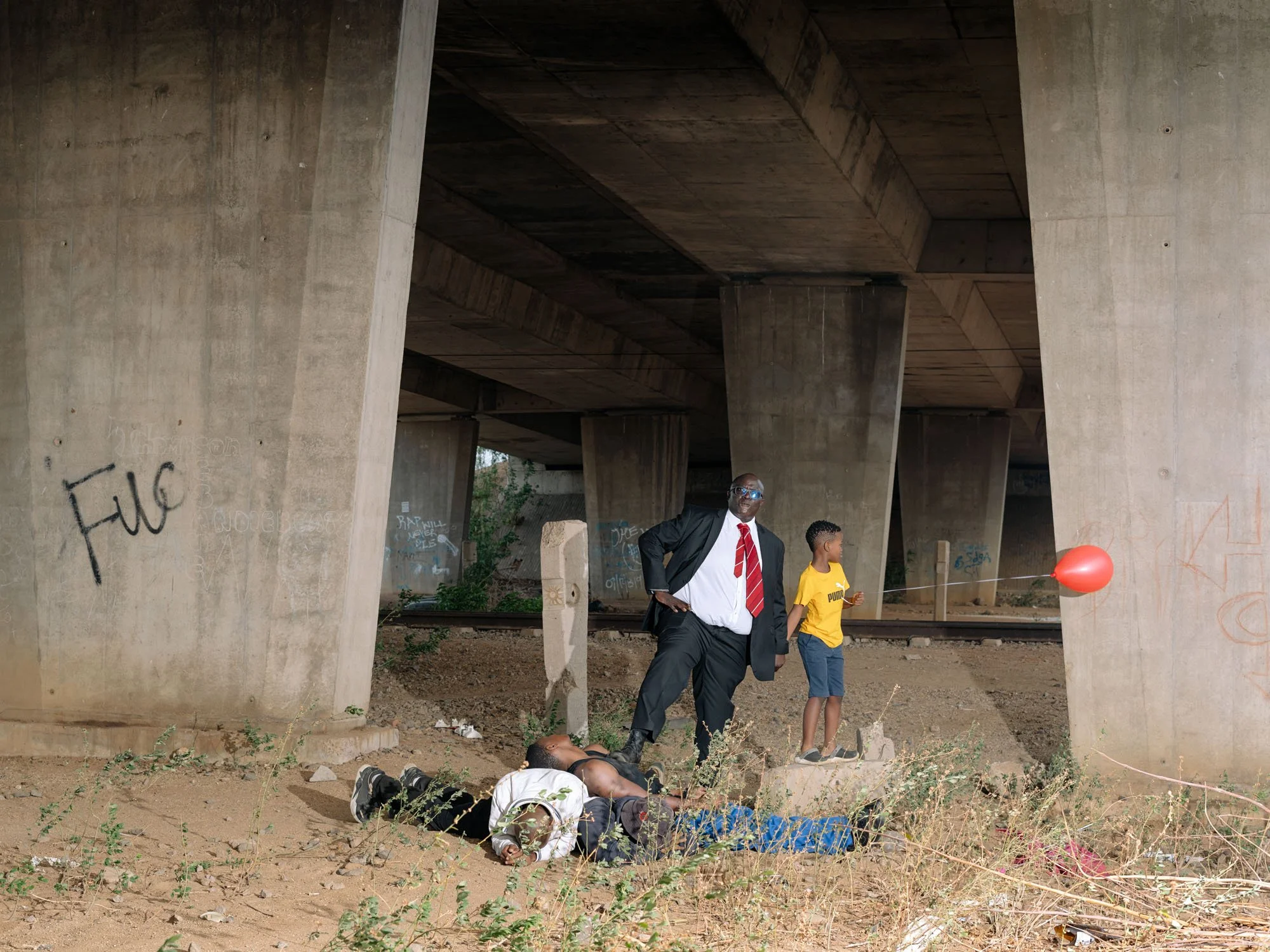
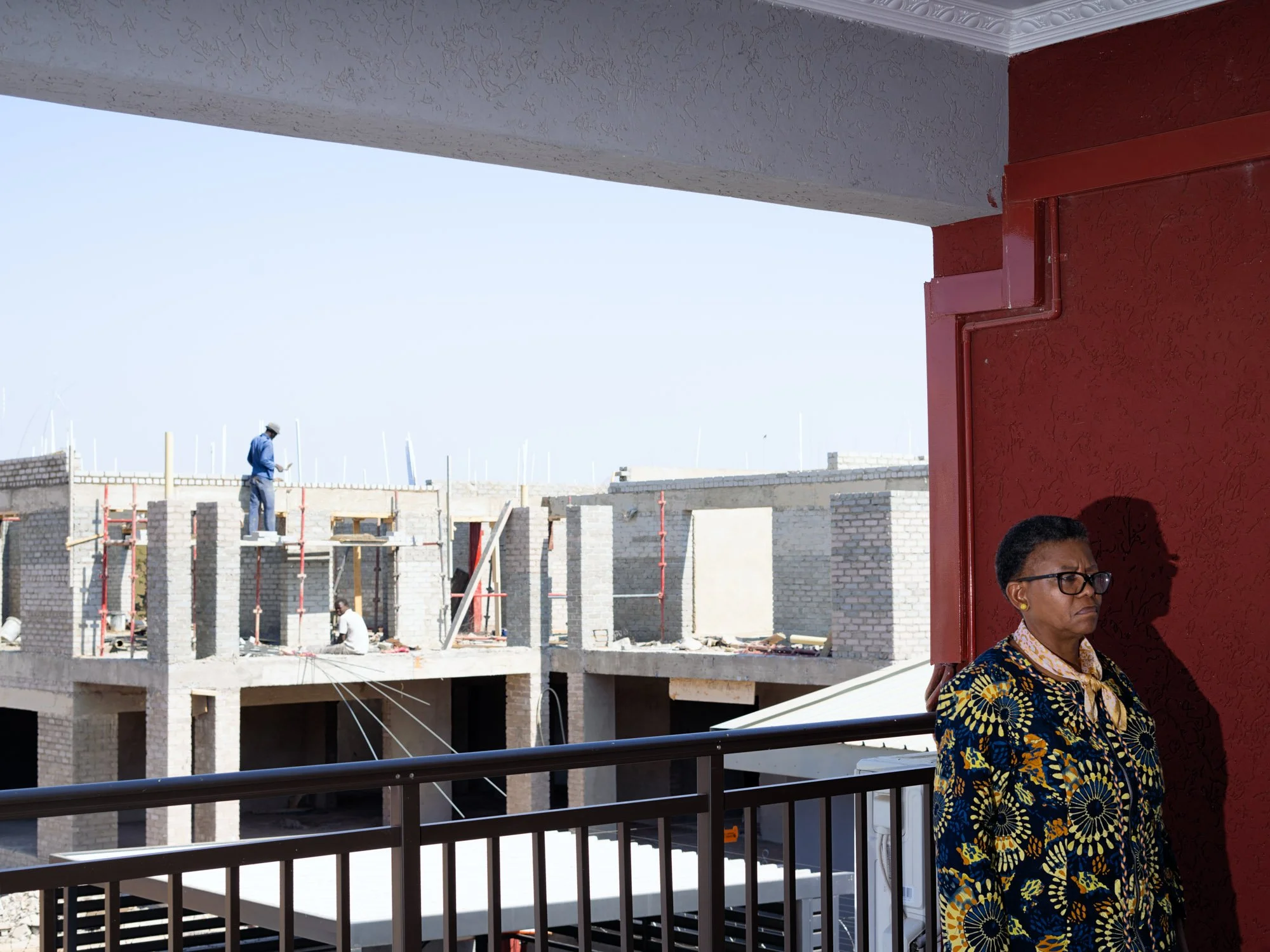
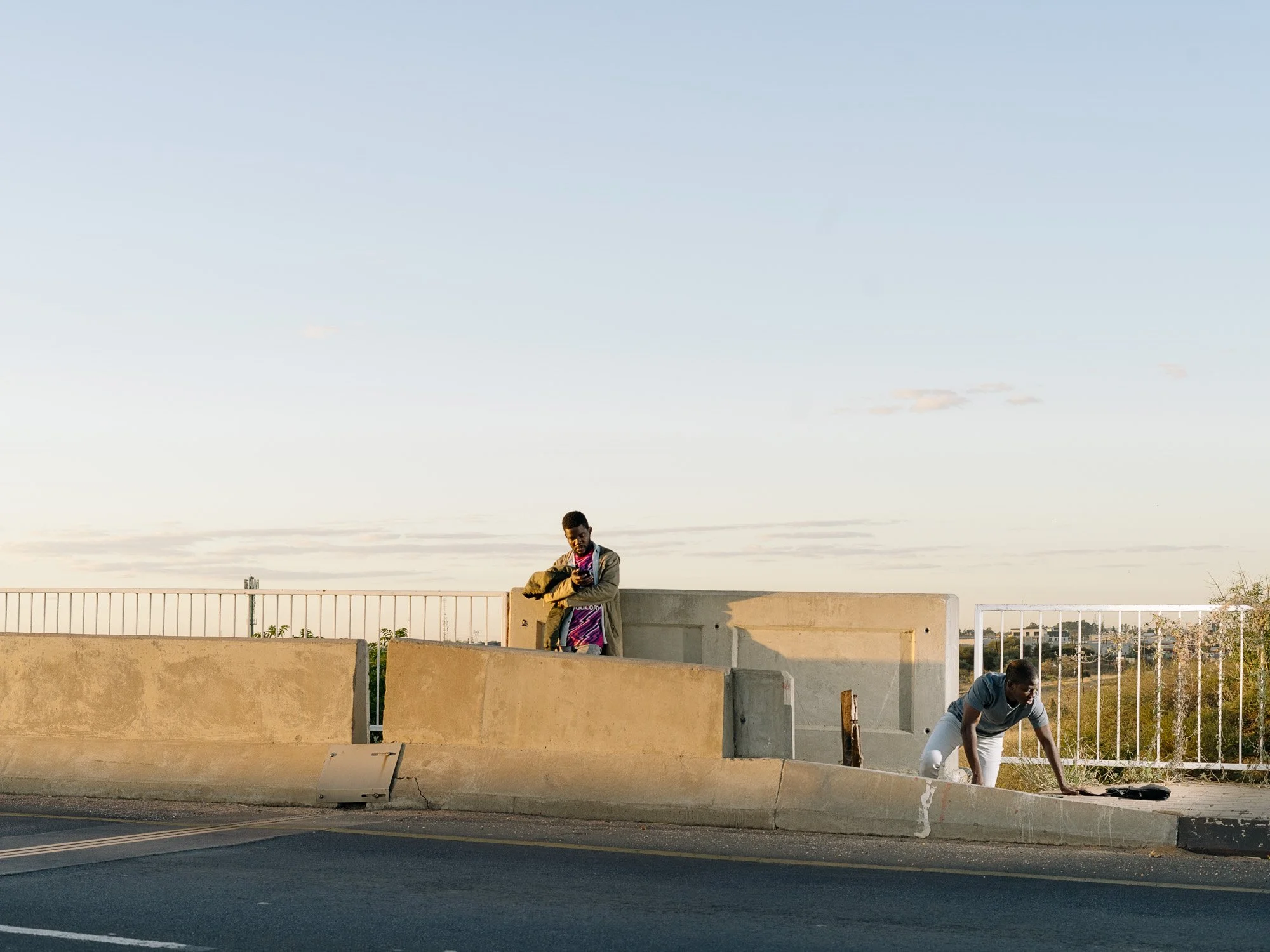
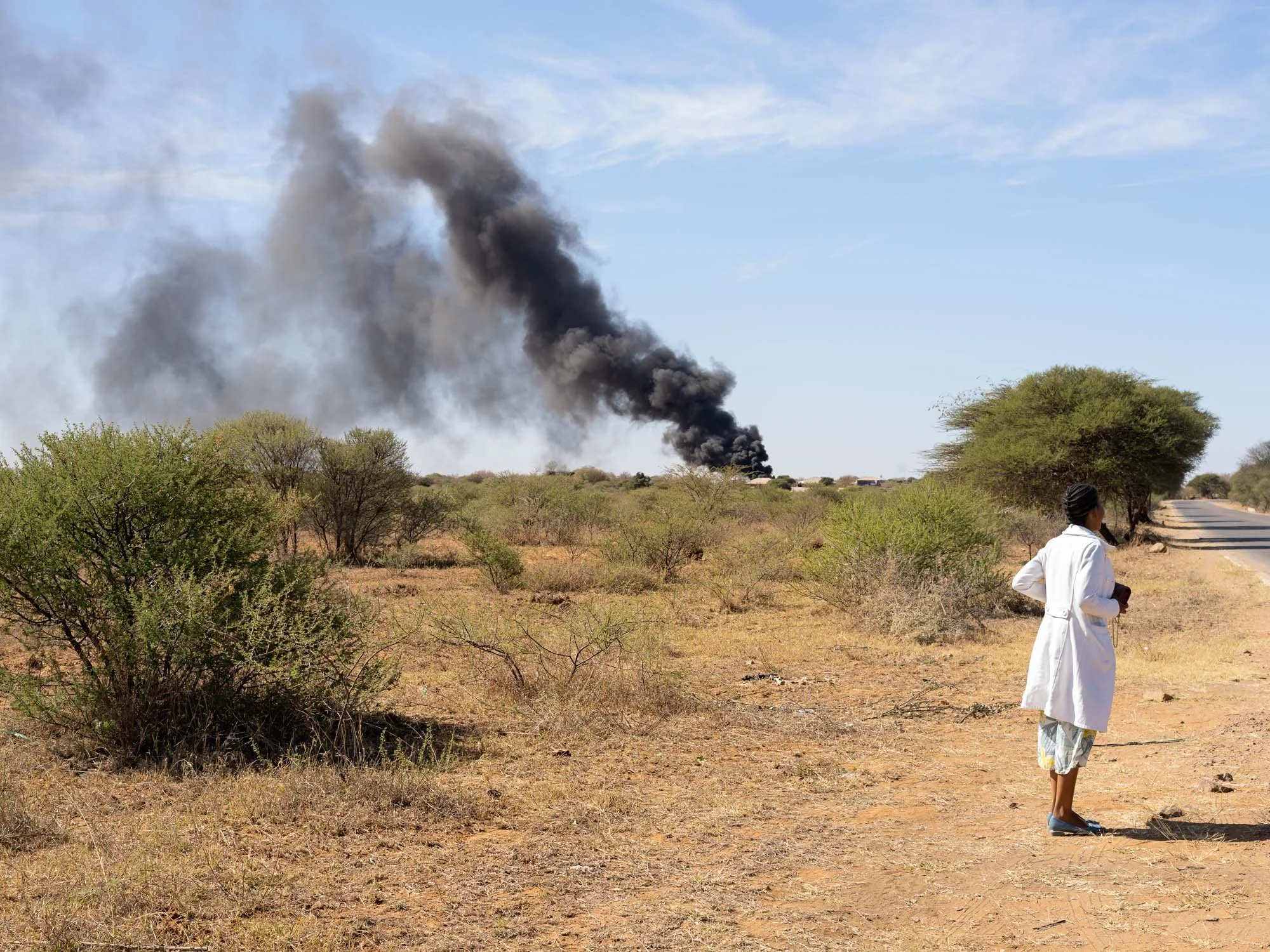
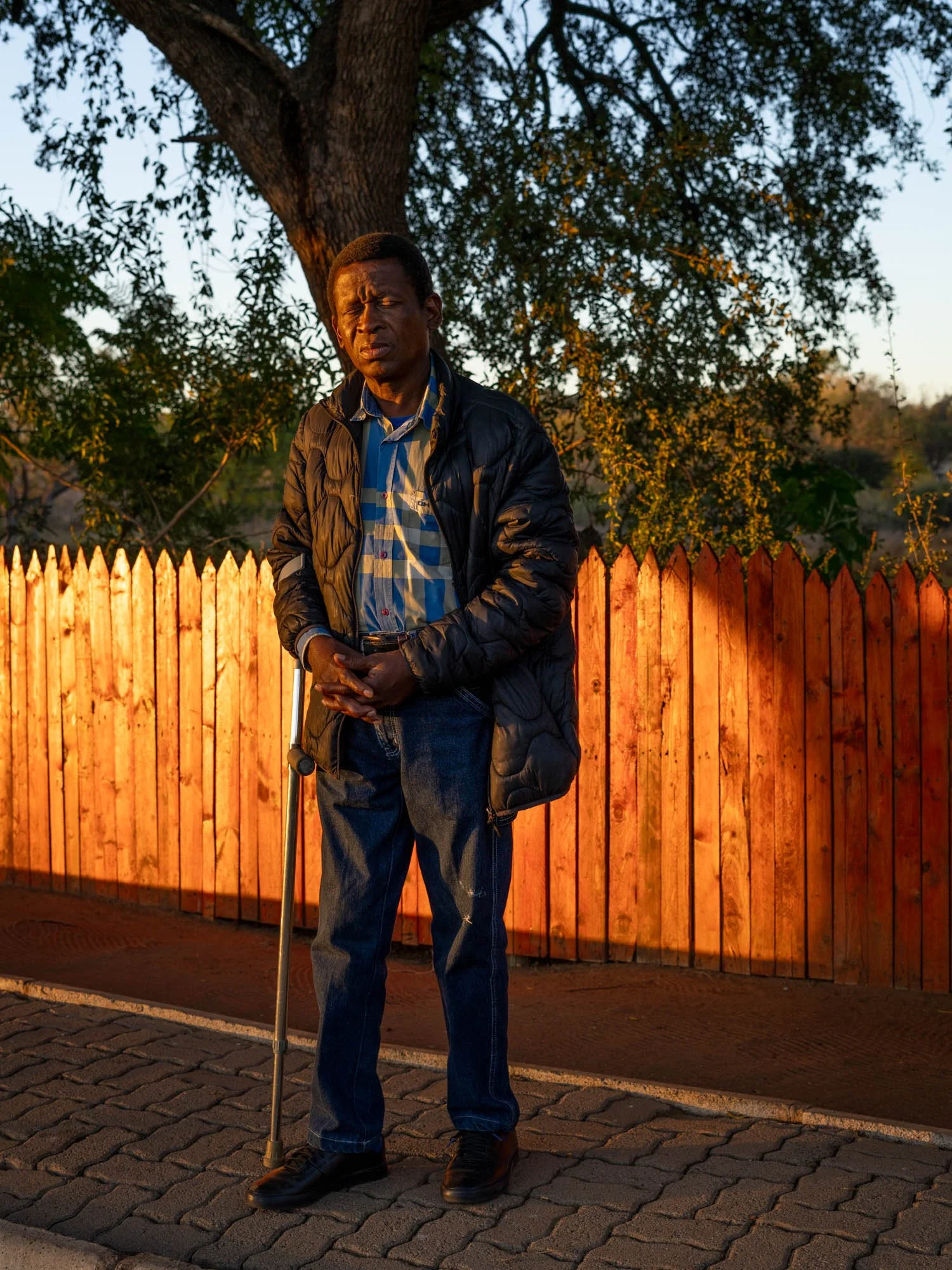
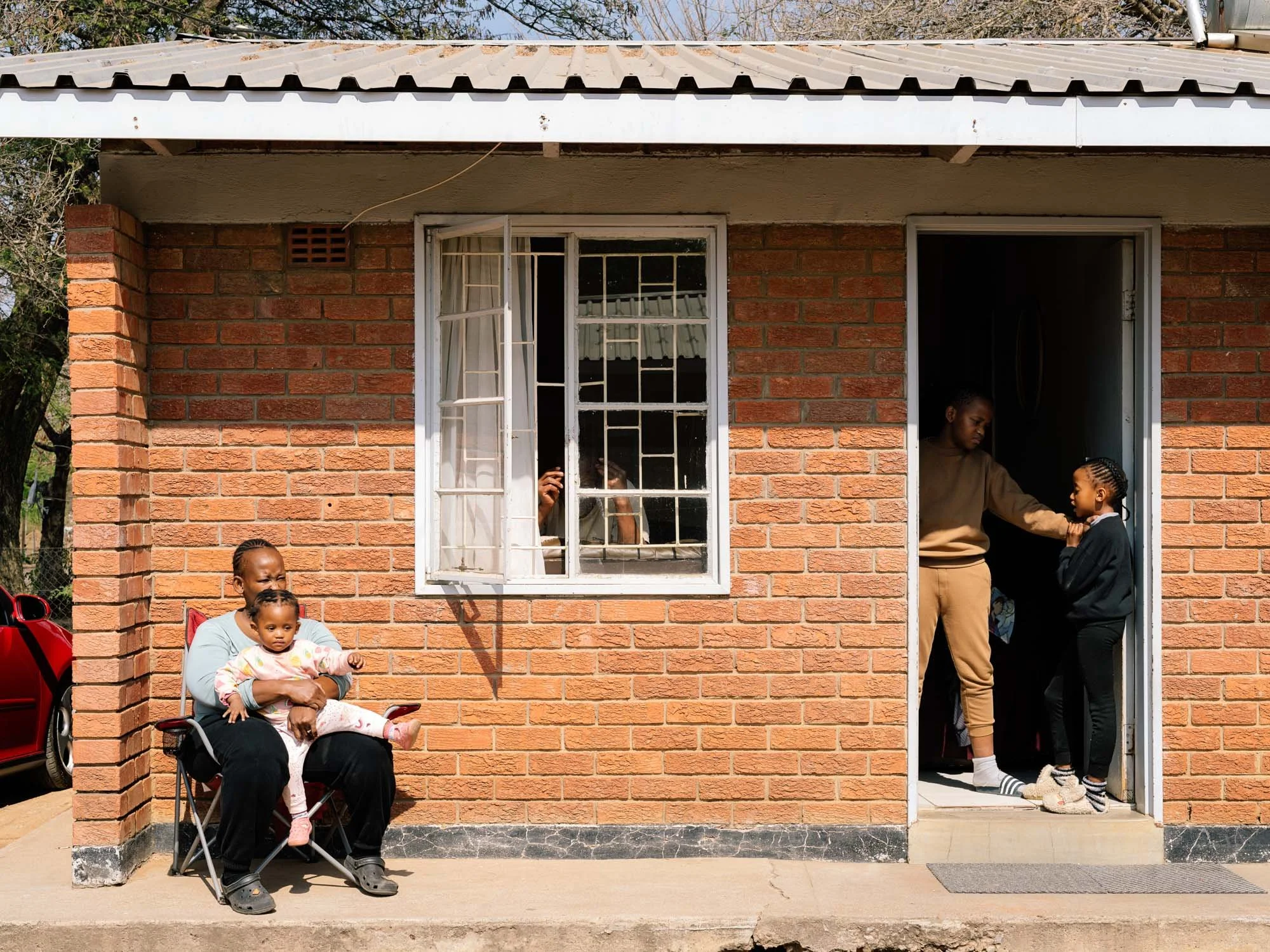
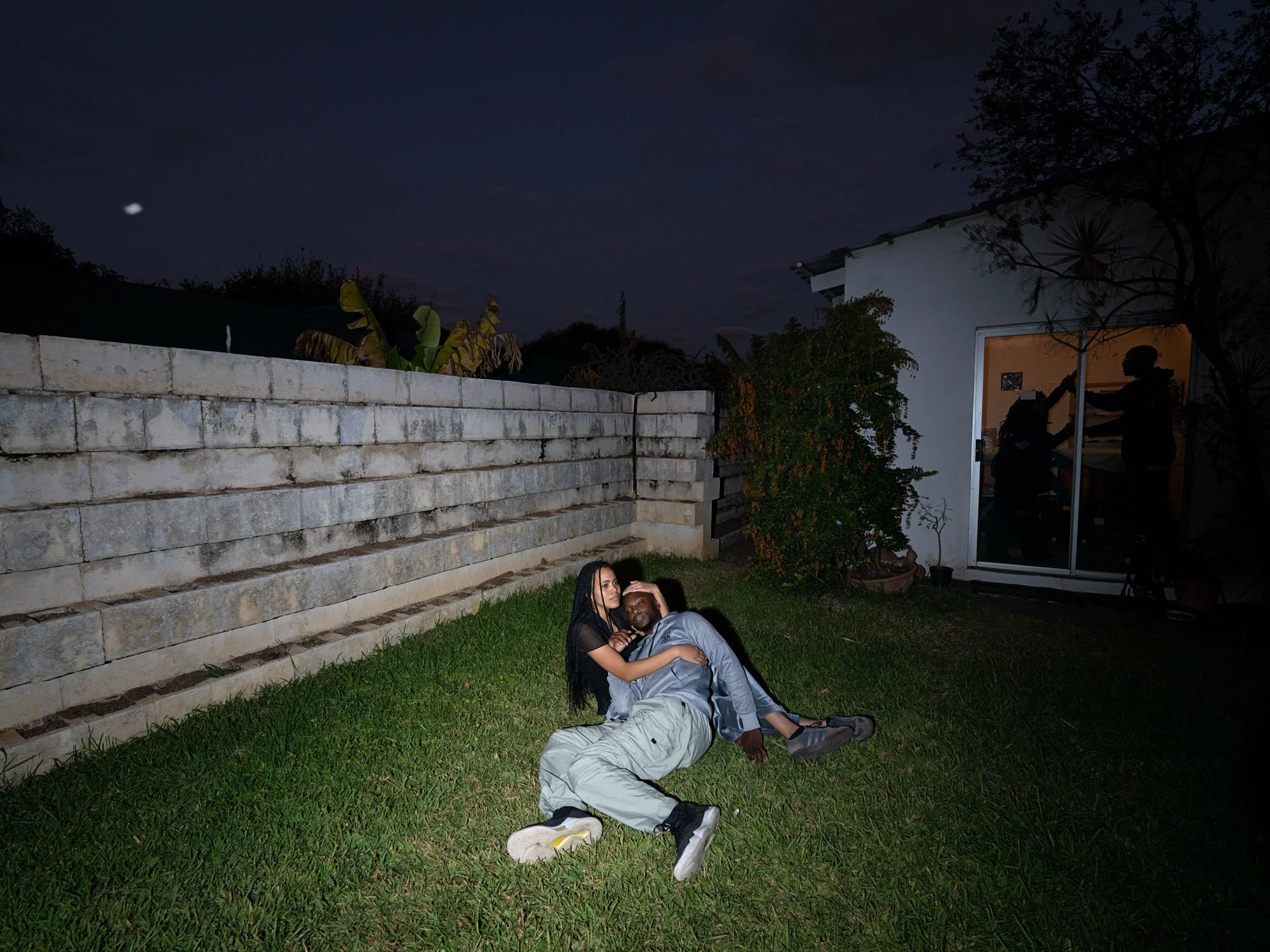
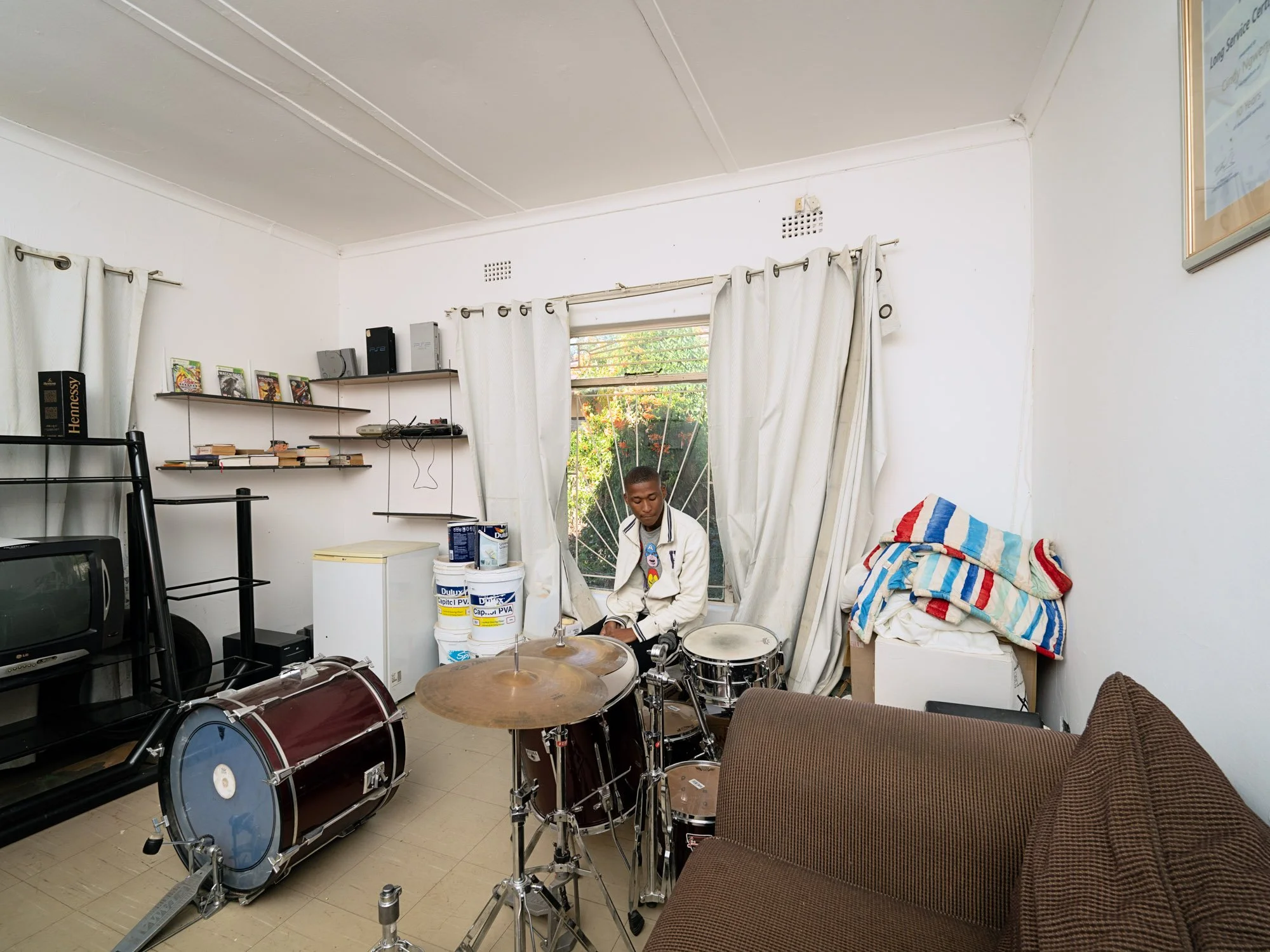
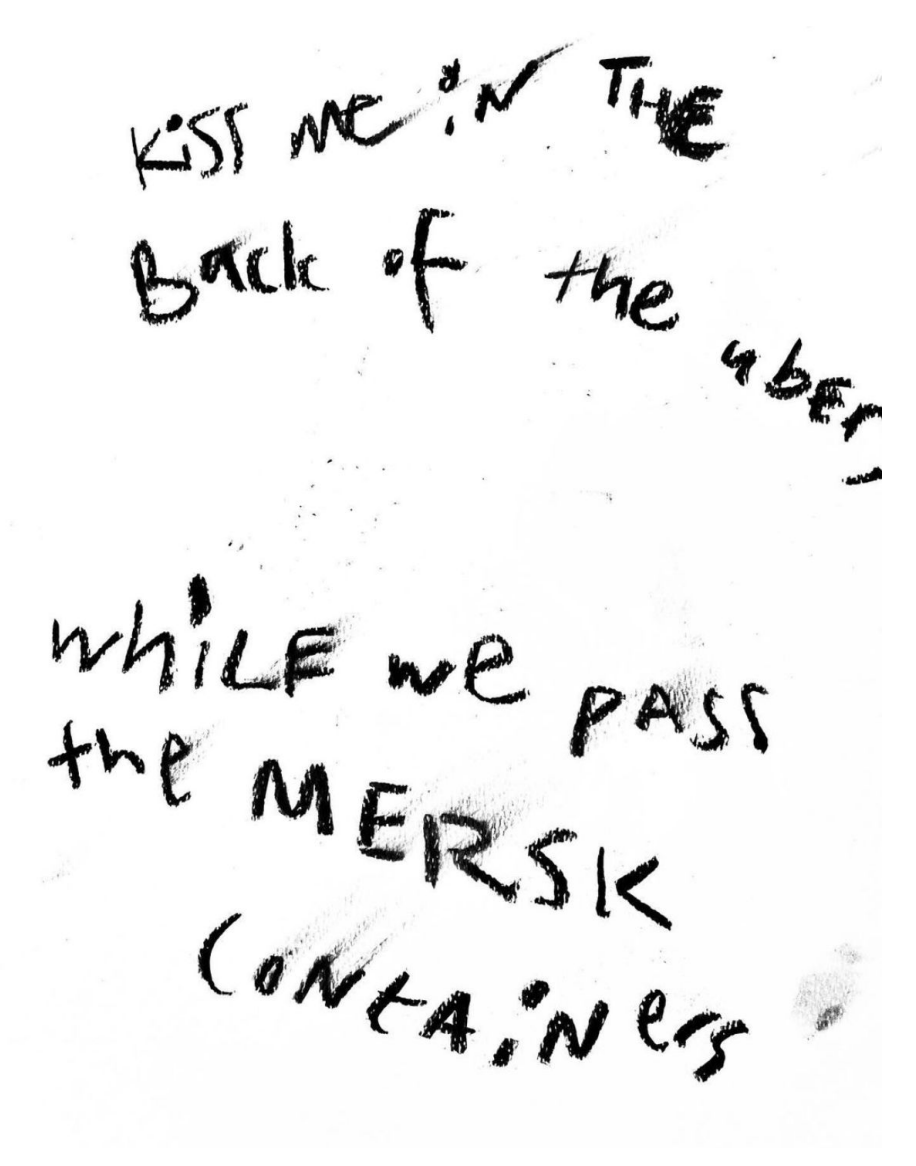
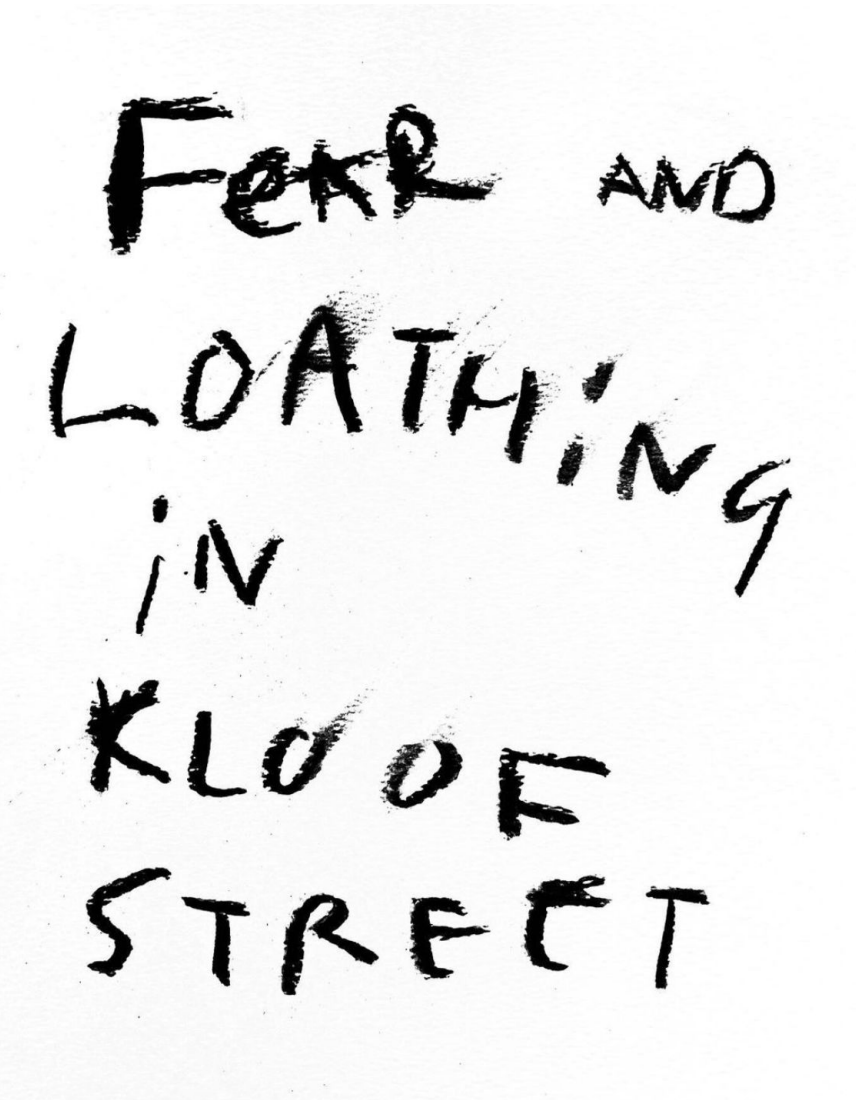
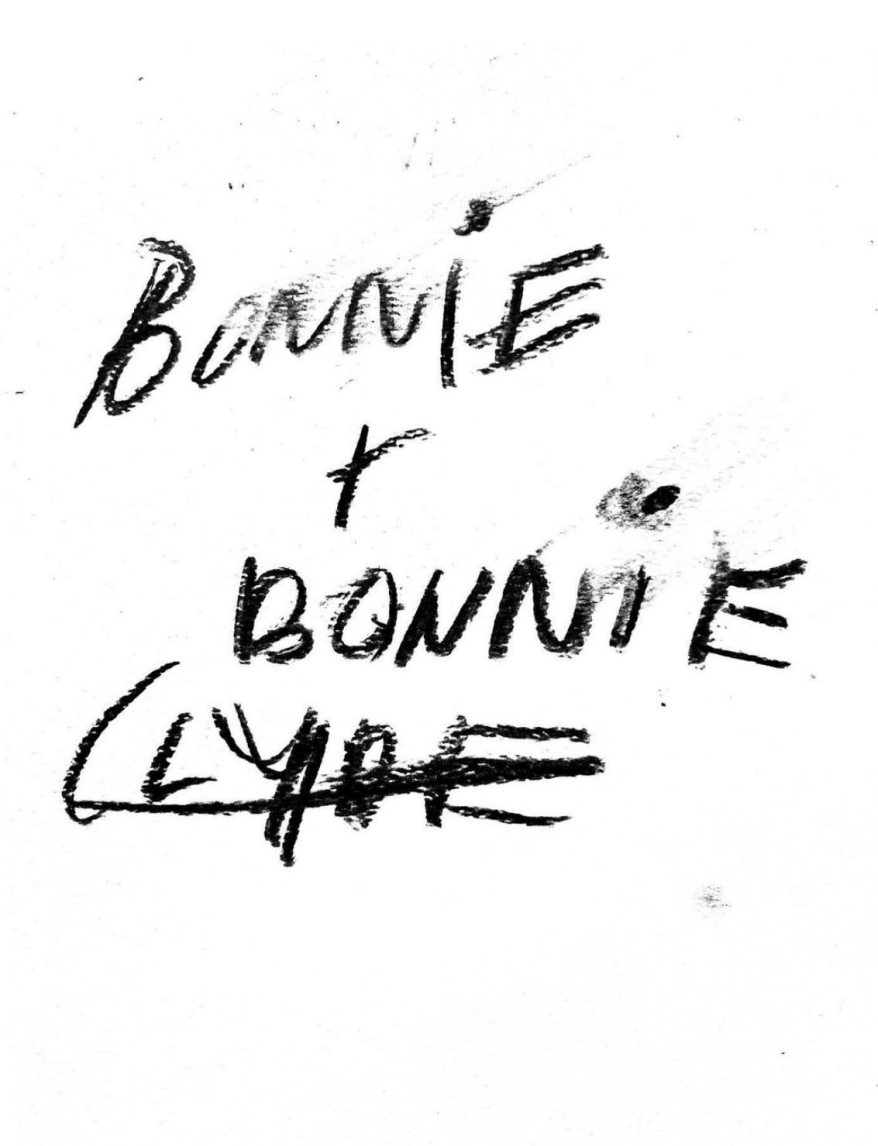
It’s Not Going to Get Better is crafted as a response to a wave of global electoral fever. 2024 was a year that saw more than 100 countries, and approximately half of the world’s population, heading to national polls. Focusing on the Botswana General Elections, Makepe interprets the tenor on the ground of a country that is often held as the poster child of a peaceful African democracy. Despite promises of freedom and opportunity, in this late-capitalist moment, the lead-up to the election seemed bleak.
Thero Makepe was born in 1996. He was born and raised in Gaborone, Bostwana. Currently, he lives between Gaborone, Cape Town and Johannesburg
Catch the second iteration of It's Not Going to Get Better at the Center for African Studies on the 29th of May 2025.